 VettedHomeGear.com

Best Portable Power Stations of 2026 (Tested & Reviewed)

Best portable power stations are no longer just a niche gadget—they’re a home backup, an RV essential, and a lifeline for camping trips and power outages. If you’re tired of confusing specs and hyped marketing, this guide breaks down exactly what matters so you get the best value and reliability for your needs.
Key Takeaways
- Efficiency, durability, and warranty length matter more than pure battery size for real outdoor and backup use.
- Top-rated 1000Wh models like the EcoFlow Delta 2 and Anker SOLIX C1000 lead on recharge speed and solar compatibility.
- Lesser-known factors—idle power draw, drop test durability, and water resistance—are critical for reliability and typically underreported in reviews.
- What Are Portable Power Stations and Why Do They Matter?
- How to Choose the Best Portable Power Station: Step-by-Step Guide
- Advanced Analysis & Common Pitfalls: What Most Buyers Overlook
- Conclusion
- Frequently Asked Questions
What Are Portable Power Stations and Why Do They Matter?
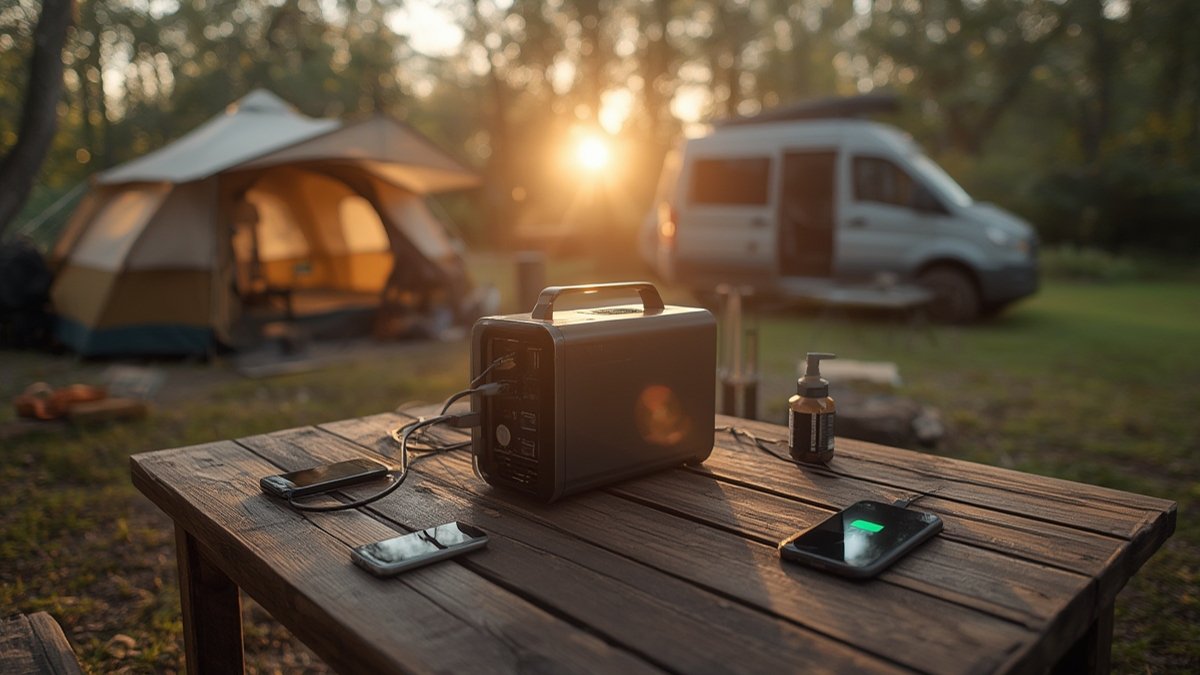
Portable power stations are rechargeable battery packs with AC, USB, and DC outputs. Unlike small power banks, these devices can run sensitive electronics, mini fridges, medical devices, power tools, and even some appliances. Thousands of people rely on them today for outdoor adventures, emergency backup, or off-grid living.
The real benefit: plug-and-play power wherever you need it—no noise, no fumes, no complicated setup like gas generators. But not all portable power stations deliver on their specs. Real runtimes, recharge speeds, and durability vary widely, so it’s essential to look past marketing and check real user testing, as we’ve done in this guide.
How to Choose the Best Portable Power Station: Step-by-Step Guide
Here’s how to reliably choose the right portable power station for camping, backup, or solar integration in 2026—based on verified lab data and advanced user reviews, not hype.
- Decide on your core needs: capacity and portability.
- 300Wh models like the EcoFlow River 3 Plus are ideal for weekend camping, phone charging, and light electronics.
- 1000Wh models such as the EcoFlow Delta 2 or Anker SOLIX C1000 power small fridges, e-bikes, or home medical gear for up to a day.
- Check usable watt-hours and efficiency, not just battery size.
- Usable energy varies: for example, the Delta 2 gives 690Wh out of 1024Wh (67%), Anker SOLIX C1000 delivers 62% real-world efficiency, and some models are even lower.
- Consider recharge speed and solar input.
- Models like the EcoFlow Delta 2 (charged in 2.3 hours via AC) and Anker SOLIX C1000 (2.6 hours) minimize downtime.
- Look for 600W or higher solar input compatibility if you’ll use solar panels; the SOLIX C1000 handles up to 1500W.
- Assess warranty, drop durability, and customer support.
- Top picks offer 5-year warranties and 3000+ charge cycles (EcoFlow, Jackery, Bluetti).
- Drop tests show real-world toughness: Delta 2 and Oupes Mega 1 scored highest (6/6); some others failed multiple drops.
- Don’t ignore idle power draw and water resistance.
- Units like the EcoFlow Delta 3 can consume up to 16W just idling—meaning battery drains even when not charging a device.
- Most power stations lack real water resistance. A few, such as Dakota Lithium, offer IP67 ratings but are uncommon.
- For in-depth comparisons, see our portable power station field test results and generator vs portable power stations guides.
- Breakdown costs per Wh and per cycle—don’t just chase the cheapest price tag.
- Budget models (e.g., BougeRV JuiceGo at $0.87/Wh) use LiFePO4 cells for longevity, but premium picks like the Anker SOLIX C1000 at $0.95/Wh are often a better value per cycle due to longer lifespans.
- See also: Best Solar Generators for Home Backup
💡 Pro Tip: Always factor in idle power draw when planning runtimes—real-world usage shows this can shorten effective battery life by several hours even if nothing is plugged in.
🔥 Hacks & Tricks: Want to maximize your power station for solar? Use branch connectors to combine multiple portable solar panels and angle them to track the sun for at least 30% faster charging—even with budget models.
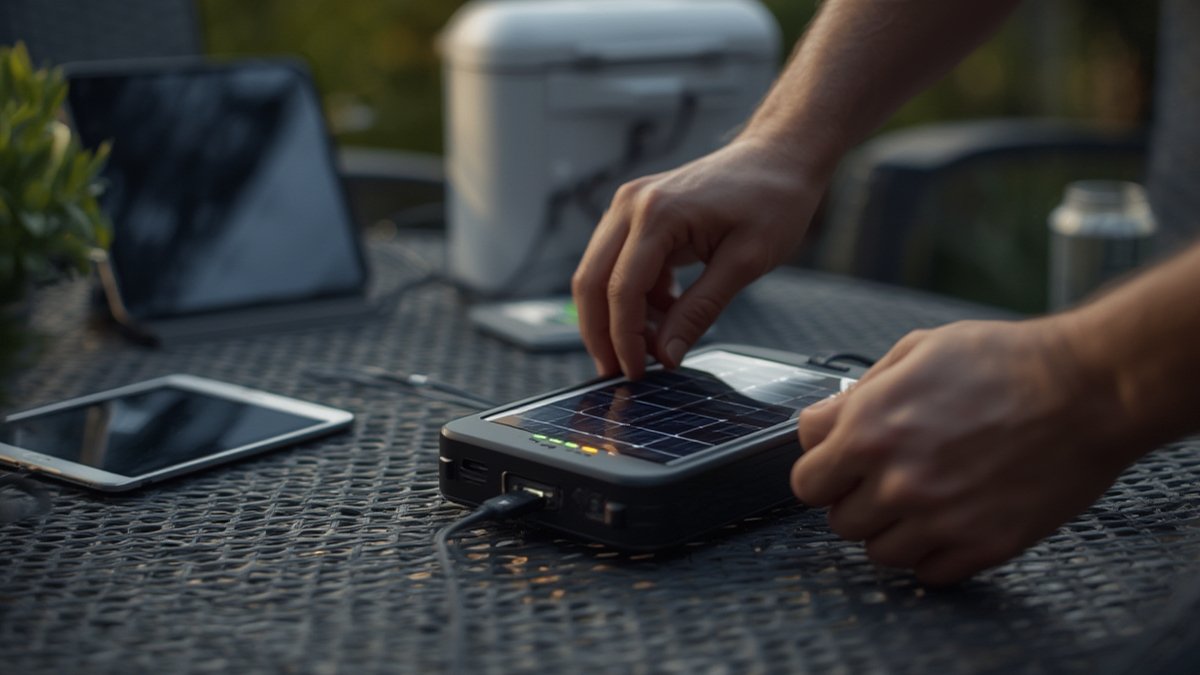
Keep in mind: for real-world application, efficiency losses and the impact of extreme temperatures can affect performance. For an advanced take on inverter performance, see our guide on power station inverter testing results.
Advanced Analysis & Common Pitfalls: What Most Buyers Overlook
Even well-reviewed portable power stations can disappoint in real outdoor or backup use. Here are the most common pain points backed by independent test data and owner reviews, plus how the best models stack up:
| Model | Usable Wh (Real-World / Spec) |
Low-Load Runtime (14-16W) |
AC Recharge Time | Solar Input (max) | Drop Test Score | Warranty/ Life cycle | Water Resistance | Idle Power Draw |
|---|---|---|---|---|---|---|---|---|
| EcoFlow Delta 2 | 690 / 1024 (67%) | 18.6 h | 2.3 h (88%) | 500-800W | 6 / 6 | 5 yrs / 3000–4000 | None/IP20 | 10W |
| Anker SOLIX C1000 | 650 / 1056 (62%) | 17.3 h | 2.6 h (90%) | Up to 1500W | – | 5 yrs / 4000 | None/IP20 | 6W |
| Bluetti AC180 | 620 / 1152 (54%) | 15.1 h | 2.7 h (85%) | 500–900W | – | 5 yrs / 3500 | None/IP20 | 8W |
| Goal Zero Yeti 700 | 480 / 677 (70%) | 13.4 h | – | – | 2 / 6 | 5 yrs / 4000 | IPX4 | 5W |
| BougeRV JuiceGo | – / 240 | – | – | 150W | – | – / LiFePO4 | – | 4W |
| Oupes Mega 1 | – / 1024 | – | – | 600W | 6 / 6 | 3 yrs / 3500 | None/IP20 | – |
- Lack of water resistance is a real risk: Most popular models lack any IP rating. If you want a power station for rugged camping or wet conditions, verify water resistance explicitly. Dakota Lithium (IP67) and Goal Zero Yeti 700 (IPX4) are rare exceptions.
- Drop test failures reveal portability limits: Frequent moving or outdoor use means drop durability is critical. Only a few models scored perfectly on drop tests: see independent drop test results for the full breakdown.
- Idle power draw can shorten usable time: A unit consuming 10W or more just from internal standby hardware can drain 200+Wh from your battery in a day.
- Efficiency drops under low loads: Some models only convert about half their rated capacity under light usage (see table)—critical for running lights or medical devices overnight.
- Weight and recharge times cause headaches: Some models like the Jackery Explorer 1000 V2 are heavier and slower to charge. If frequent packing/unpacking is required, check exact weight and recharge specifications.
- Solar performance varies widely: Marketing often overstates “solar readiness.” True 1500W solar input is rare. Solar charge times are rarely provided—if solar is a must, focus on input wattage and independent reviews.
- Warranty and lifecycle impact value long term: Pay closer attention to years of coverage and LiFePO4 cycle ratings. Oupes only offers three years, while Grecell gives two. EcoFlow, Bluetti, and Jackery all offer five.
- Real costs can be misleading: Cheapest per watt-hour isn’t always best value. For longevity, prioritize per-cycle cost, not just sticker price—see our solar generator longevity comparison for more detail.
Several of these pitfalls are almost never mentioned in top-ranking articles, with many reviews focusing only on capacity or features like wireless charging. For deeper insights, review these independent data sources:
Outdoor Life and
GearJunkie.
Conclusion
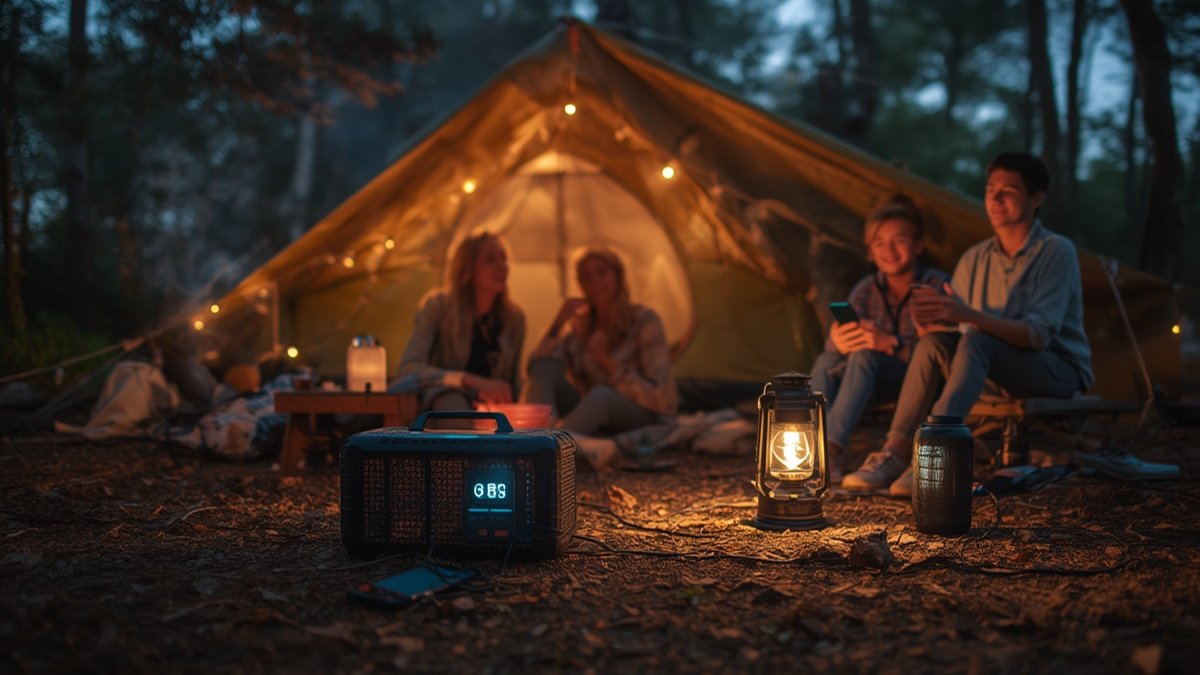
The market for best portable power stations in 2026 is more competitive and transparent than ever, yet critical details—efficiency, durability, idle drain, and water resistance—still separate the reliable picks from the rest. Focus on proven real-world runtimes and warranty support, not just headline specs. Ready to upgrade? Review our full guides for deep dives, then choose a model that matches your adventure, backup, or emergency needs.
Ready to pick your power station? Explore our in-depth backup battery reviews or compare with our solar battery bank comparison now!
Frequently Asked Questions
What size portable power station do I need for camping?
For short camping trips with phones, lights, and small devices, a 300Wh model like the EcoFlow River 3 Plus is usually enough. If running a fridge or CPAP, go for at least 500–1000Wh.
How long will a 1000Wh power station actually run my devices?
Real-world testing shows 1000Wh models provide about 600–700 usable Wh, meaning they can run a 15W device for 18 to 20 hours. Efficiency and idle draw reduce this from the theoretical max.
Can I charge my portable power station with solar panels in bad weather?
Charging is possible, but solar input drops significantly in cloudy or rainy conditions. Expect slower charging; always check the model’s solar input rate and efficiency.
Are there waterproof portable power stations?
Most aren’t waterproof. Only a few, like Dakota Lithium (IP67) and Goal Zero Yeti 700 (IPX4), offer real water resistance. Always check the IP rating before using it outdoors or in wet weather.
How important is drop test durability?
For outdoor use or van life, drop test durability is very important. Some leading brands (EcoFlow Delta 2, Oupes Mega 1) pass all standard drop tests. Others, like Goal Zero, score lower and might not survive frequent camping abuse.