 VettedHomeGear.com

EcoFlow Delta Pro Review 2026: The Unbeatable Home Backup Power Station?

EcoFlow Delta Pro review research is essential if you want serious, practical backup power that won’t leave you stranded. This deep dive strips away the hype — here’s exactly what you need to know before buying the Delta Pro, what real specs mean, and crucial steps for using it safely and effectively.
Key Takeaways
- The EcoFlow Delta Pro offers massive battery expandability, robust AC output, but 240V support requires extra hardware.
- Real-world pricing, competitive performance data, and honest negative user reviews remain scarce in 2024.
- Certain features like solar performance and whole-home backup demand careful setup — pitfalls are common if you’re not prepared.
- What Makes the EcoFlow Delta Pro Stand Out?
- How to Maximize Your EcoFlow Delta Pro: A Step-by-Step Setup
- Advanced Analysis and Common Pitfalls
- Conclusion
- FAQ
What Makes the EcoFlow Delta Pro Stand Out?
The EcoFlow Delta Pro is a home battery powerhouse promising modular expansion and whole-home backup potential. Its 3600Wh base LiFePO4 battery can stretch to 25kWh with add-ons. AC output is strong (3600W sustained, 7200W surge, pure sine wave), making it suitable for most major appliances.
However, native 240V support is not turnkey — you’ll need two units or extra accessories such as the Smart Home Panel. Charging flexibility (up to 1600W solar, AC or EV options) offers adaptable energy sources, but there are limitations you need to plan for.
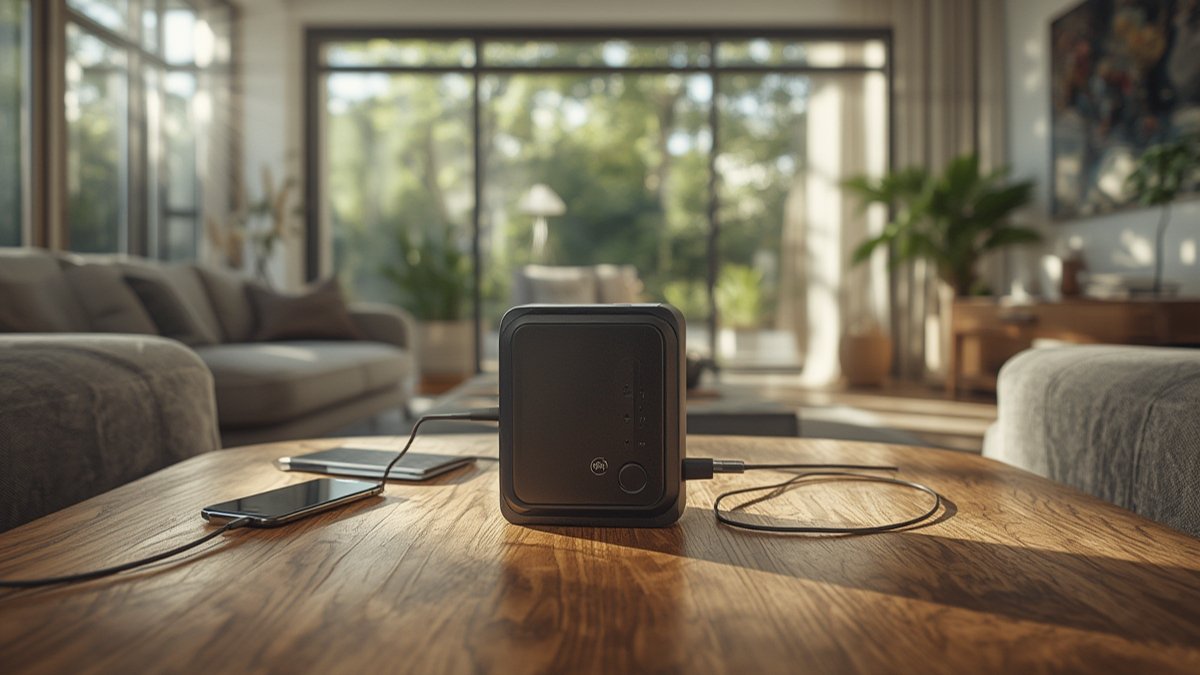
On paper, the Delta Pro seems absolutely capable. The real story is a mix of impressive specs, practical constraints, and the reality that “whole-home backup” often means much more investment than anticipated. To figure out if it’s the right fit, let’s break down setup strategies and the specific details EcoFlow’s own site and top review roundups sometimes skip.
If you want a broad comparison of solar generators, the best solar generators post covers how the Delta Pro stacks up against Jackery, Bluetti and others for solar input, portability, and battery life.
How to Maximize Your EcoFlow Delta Pro: A Step-by-Step Setup
- Assess Your Power Needs
Make a rough inventory of the appliances, tools, or circuits you want to run during an outage or off-grid. Do you simply want to keep the fridge and lights on, or aim for partial/whole-home backup? This defines how many Delta Pro units and extra batteries you actually need.
- Choose Accessories Wisely
If you require 240V operation (well pumps, dryers), budget for the Double Voltage Hub or the EcoFlow Smart Home Panel from the start. One Delta Pro does not do 240V on its own.
- Optimize Charging Sources
If you plan to use solar, organize your array for the Delta Pro’s max 1600W input (within 11-150V/15A). For fastest AC charging, ensure a dedicated outlet — it can pull up to 1800W (or 3000W at 240V, if paired). Car charging is slow and meant as a last resort only.
- Port Location and Ventilation
Given its 99 lb weight (and about 25″x16″ footprint), plan the Delta Pro’s storage location in advance. Place it somewhere dry, off the floor, and make sure airflow isn’t blocked around vents.
- Monitor with the App
Use the EcoFlow app over WiFi for battery health, charging status, and power draw analytics. This helps prevent overloads or accidental deep discharges.
💡 Pro Tip: For uninterrupted power during extended outages, combine the Delta Pro with EcoFlow’s expandable battery modules to achieve 7-25kWh of backup power — far surpassing most “portable” competitors for runtime.
🔥 Hacks & Tricks: To maximize solar input in changing weather, use third-party solar panels arranged in series (not parallel), staying within the 11-150V input range — this makes the most of fluctuating sunlight and raises charging efficiency.
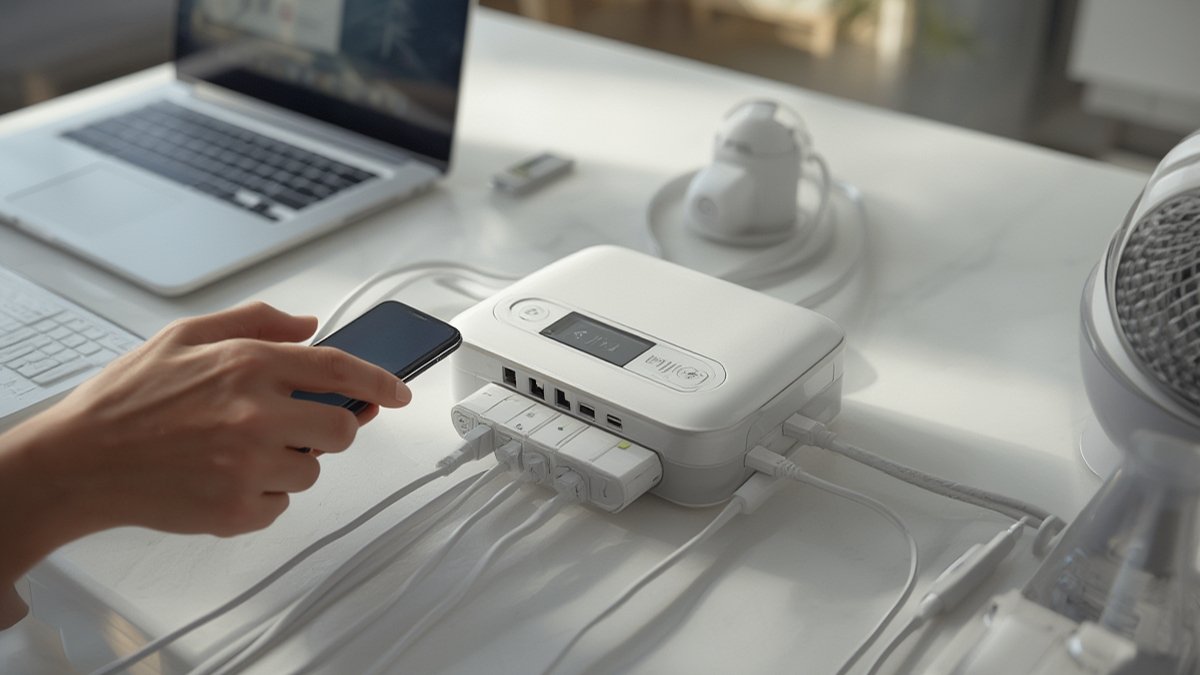
If you want in-depth comparisons of home battery backup systems or portable power stations, make sure to visit those guides for definitive brand-level pros and cons.
Advanced Analysis and Common Pitfalls
Although the EcoFlow Delta Pro is a leader, real-world usage (and lack of certain data in 2024) reveals critical challenges buyers must address:
- 240V Compatibility Pitfall: Many purchase expecting direct 240V output, only to realize post-fact that this demands at least two Delta Pros and a Double Voltage Hub or Smart Home Panel. This doubles hardware cost and logistical complexity.
- Hidden Costs: True “whole-home” backup or long-duration off-grid use requires extra battery modules or multiple Delta Pro units (and sometimes installation labor), increasing the all-in cost far beyond the base unit price — which is often not clearly published by major retailers.
- No User Reviews or Negative Data: Although specs abound, there’s little independent reporting on reliability issues, solar input quirks, or long-term battery degradation. Most available “reviews” simply repeat marketing claims.
- Solar Limitations: Max solar input is capped at 1600W. If you need faster charging or have larger solar arrays, you must work within these input volt/amp limits, or risk wasted potential (or inverter errors).
- Real Portability: At 99 lbs, the Delta Pro is not what most would call portable — expect to wheel or team-lift it for any movement. Frequent transportation is not realistic without planning.
| Feature | Delta Pro | Notes |
|---|---|---|
| Battery Capacity | 3600Wh (expandable to 25kWh) | Requires extra modules for max |
| Battery Chemistry | LiFePO4 | Up to 6,500 cycles (to 50%) |
| AC Output | 3600W (7200W surge, 120V only) | No native 240V from single unit |
| Max Solar Input | 1600W (11–150V, 15A max) | Setup series for best results |
| Charging Speeds | 2.7h AC with MultiCharge | With extra battery, 1800W AC |
| Weight/Size | 99 lbs (25″x11.2″x16.4″) | Plan ahead for placement |
Key specs — especially battery cycles and output — can be confirmed from sources like EcoFlow’s official site and CamperVan HQ.

While user complaints and long-term problem data are unavailable, it’s wise to budget extra time for setup if you’re integrating the Delta Pro into your breaker panel or combining multiple units for whole-home or 240V use. Always verify panel voltage compatibility and consult a licensed electrician for permanent installs (see official product instructions).
If you’re interested in broader reliability and troubleshooting across the industry, the best home battery backup systems guide features brand-level strengths, weak spots, and surge performance tips.
Conclusion
The EcoFlow Delta Pro stands apart for modular expandability, powerful output, and diverse charging — but also introduces complexity when you want “whole-home” backup and true 240V capability. Most EcoFlow Delta Pro review content focuses on impressive specs, but real success depends on planning for accessory costs, the realities of setup logistics, and recognizing the lack of transparent long-term and negative review data in 2024.
Go beyond marketing and make your choice: research your needs, get the correct accessories, and stay realistic about what one Delta Pro can (and can’t) do. Start maximizing your home backup with the most trusted platforms — and consider reading up on portable power stations for 2026 or deep-dive manufacturer documentation before you buy.
Ready to transform your backup game? Audit your home, then choose the right Delta Pro setup and accessories for your needs. Don’t get caught unprepared.
FAQ
Can the EcoFlow Delta Pro run my entire house?
The Delta Pro can support whole-home backup, but you need multiple units, extra battery modules, and the Smart Home Panel for seamless integration. A single unit is typically suitable only for partial backup or critical loads.
Does a single EcoFlow Delta Pro support 240V appliances?
No, a single Delta Pro only outputs 120V AC. For 240V appliances (like well pumps or electric stoves), you must run two units with the Double Voltage Hub or Smart Home Panel.
How fast can the EcoFlow Delta Pro recharge from solar?
Solar input supports up to 1600W (11–150V, 15A), but real charging times vary with sunlight and panel setup. There’s no published typical recharge time; expect 3–6 hours in ideal conditions with maximum panels.
What battery life and warranty does the Delta Pro offer?
The LiFePO4 battery supports up to 3,500 cycles to 80% capacity and 6,500 cycles to 50%. Warranty terms can vary — check the latest details on EcoFlow’s official site or with your retailer.
Is the Delta Pro easy to move or travel with?
At about 99 lbs, it’s technically “portable” but not easy to lift. Plan to wheel it short distances only. For camping or regular travel, consider smaller power stations.