 VettedHomeGear.com
Best Smart Home Security Systems: Step-by-Step Setup 2026

Best smart home security systems give families an instant way to protect their homes—without drilling, cables, or confusing contracts. In 2026, the latest systems offer app-controlled monitoring, rapid police dispatch, and seamless integration with smart lights or locks. But which setup is really the best for break-in prevention, reliability, and long-term peace of mind?
Key Takeaways
- SimpliSafe, ADT, and Vivint remain the top-rated best smart home security systems in 2026 for reliability, customer satisfaction, and break-in deterrence.
- DIY systems like SimpliSafe and Ring now offer pro-level features such as real-time agent intervention and cellular backup, often without mandatory contracts.
- Before choosing, compare total costs, monitoring options, and smart compatibility—contract terms and false alarm policies still catch many buyers off guard.
- What Are Smart Home Security Systems and Why Do They Matter in 2026?
- Step-by-Step Setup & Buying Guide: Picking the Right System
- Advanced Analysis & Common Pitfalls: Issues, Costs, and Compatibility
- Conclusion
- Frequently Asked Questions
What Are Smart Home Security Systems and Why Do They Matter in 2026?
Smart home security systems are wireless kits designed to detect, deter, and react during emergencies—like break-ins, fire, or flooding—using sensors, cameras, and instant notifications to your phone. In 2026, leading brands such as SimpliSafe, ADT, and Vivint use advanced features like Active Guard (real-time agent warning), cellular backup, and AI-driven avoidance of false alarms.
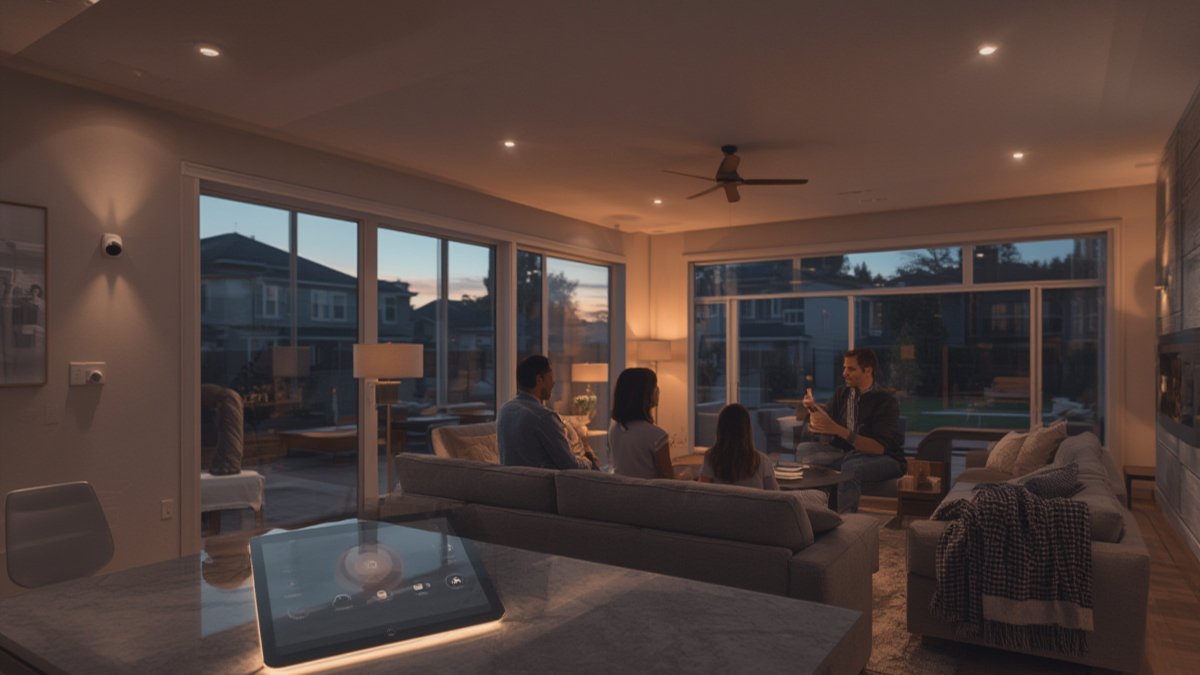
Recent statistics show that SimpliSafe, ADT, and Vivint not only win on reliability (almost no false alarms in independent tests), but also score above 9/10 for customer trust and break-in prevention. For example, SimpliSafe achieved 4.8-star app ratings and ADT earned the highest SecureScore at 9.3.
Source | Source
Integrating these systems with voice assistants (Google Home, Alexa), battery backup, or even smart locks has become standard—giving homeowners control from anywhere, instant alerts, and real deterrence against crime.
Yet, most buyers still wonder: Is DIY enough, or is professional monitoring a must? And how do you avoid contracts or surprise costs? Let’s break it down step by step.
Step-by-Step Setup & Buying Guide: Picking the Right System
Getting the best smart home security system in 2026 is easier and safer than ever, but there are critical steps—and hidden gotchas—you need to know:
- List Your Priorities
Decide what matters most: Break-in deterrence, user-friendliness, smart device integration, or total cost? According to research, 66% of buyers care first about reliable hardware, but 65% want stress-free controls. - Research Brand Reputations and Reviews
Check SecureScore rankings and real user ratings for each leading brand (SimpliSafe, ADT, Vivint, Ring). Do they have a track record of prompt alerts and few false alarms? Look for recent experiences, not just specs. - Compare 3-Year Ownership Costs, Not Just the Price Tag
Vivint and ADT typically require contracts but deliver pro features and fast police response. SimpliSafe and Ring offer contract-free options and self-monitoring—but premium deterrence tools cost extra. - Pick Monitoring Level
Choose DIY, on-demand alerts, or professional 24/7 monitoring. SimpliSafe lets you upgrade to on-call agents like Intruder Intervention (which can speak directly through cameras to scare off thieves), while ADT and Vivint handle everything for you—at a higher fee. - Map Out Devices and Compatibility Needs
Make sure your system supports all relevant smart home standards: Wi-Fi, cellular backup, Google/Alexa, and possibly Z-Wave or Zigbee if integrating thermostats or smart locks (Abode, Vivint). - Set Up and Test
Most DIY kits take under 60 minutes to install. SimpliSafe and Ring provide clear app instructions. For pro systems like ADT or Vivint, schedule a professional install—expect a 2 to 5-hour process with home risk assessment. - Review False Alarm and Dispatch Policies
Some towns fine after two or more false alarms—top systems have built-in AI to avoid this and instant agent review capabilities. - Integrate Battery Backup for Peace of Mind
Power outages or Wi-Fi dropouts can disable your system without backup. Consider whole-home solutions from top battery backup brands to keep your gear running through storms or grid failures.
💡 Pro Tip: For true break-in deterrence, prioritize systems that offer real-time agent or police intervention (like SimpliSafe’s Intruder Intervention or ADT Professional Monitoring)—simply triggering a siren is no longer enough to stop determined burglars.
🔥 Hacks & Tricks: Set up a “night mode” routine that arms all sensors, flashes smart lights, and triggers pre-recorded audio warnings if motion is detected outside after 11pm—most burglars flee when confronted by a human voice or unexpected light.
Want backup for more than security? See our expert picks for home battery backup systems and solar generator solutions—perfect for keeping your security system and home powered during any outage.
Advanced Analysis & Common Pitfalls: Issues, Costs, and Compatibility
No system is perfect. Even the best smart home security systems in 2026 have pain points and hidden costs you should expect. Here’s a realistic look at what most reviews miss:
1. DIY vs Pro Installation: Effort and Support
- DIY Kits: SimpliSafe and Ring are plug-and-play but can have occasional hiccups—manual pairing sometimes fails or the app may “hang” during setup, especially for smart locks or garage modules.
- Pro Install Only: Vivint and ADT minimize errors but require in-home scheduling, with installations taking 2–5 hours. Instant results but less flexibility if moving or renting.
2. Real-World Reliability (Not Just Day 1)
- Most systems had zero false alarms in 2026 tests. However, there’s almost no public data on failure rates after the first six months—few top reviews share statistics on device battery life, Wi-Fi/cellular dropouts, or the percentage of successful police dispatches.
3. Long-Term and Hidden Cost Pitfalls
- Contracts: Many pro systems (Vivint, ADT) require 36–60 month commitments, and early termination often triggers steep fees.
- Monitoring Tiers: DIY systems advertise “no monthly fees,” but the best features—like agent intervention or cloud camera storage—are only unlocked at higher paid tiers.
- Limited Compatibility: Vivint works best with its own devices; Abode and Ring have broader support for Z-Wave/Zigbee accessories, but may lack some pro intervention features.
| System | Upfront Equipment | Monthly Fee (Starting) | Contract Length | Est. 3-Year Total (Base Monitoring) |
|---|---|---|---|---|
| Vivint | $600 | $30–$200 | 48–60 months | ~$2,280+ |
| Cove | $300 | $19.99 | Monthly | ~$1,180 |
| Alder | $360 | $40 | 36 months | ~$1,800 |
| Frontpoint | $387 | $14.99 | 36 months | ~$1,080 |
SimpliSafe and Ring allow contract-free setups but charge extra monthly for pro features. For self-powered options, see our best portable power stations guide. It’s an easy way to avoid system downtime during blackouts.
4. Compatibility and Connectivity Limitations
- Not all brands support every smart home protocol—Abode is the clear leader for Z-Wave/Zigbee, while SimpliSafe focuses on simplicity (may not integrate with advanced light/lock/camera automations).
- If you rely on smart home routines, check integrations first—Google Home and Alexa are universal, but Apple HomeKit support is still spotty among major brands.

Searching for a scalable, off-grid solution? Our best off-grid solar kits article covers advanced battery and solar combinations to ensure your security system and essentials never lose power.
Conclusion
Choosing the best smart home security systems in 2026 means balancing robust break-in deterrence, easy setup, device compatibility, and total ownership cost. SimpliSafe leads for contract-free, no-fuss installs with effective agent deterrence, while ADT remains best for trusted professional monitoring and rapid response times.
Just be ready for extra fees if you want premium features, and always verify smart home compatibility with your other gear before buying.
Ready to secure your home? Compare systems above, then see the latest expert ratings and deals here. The right choice today keeps your home—and peace of mind—safe for years.
Frequently Asked Questions
How reliable are smart home security systems in 2026?
Top brands like SimpliSafe, Vivint, and ADT score highly for reliability—most users report few to zero false alarms after initial setup. Cellular backup and redundant monitoring centers make these systems dependable during power or internet outages.
Do I need a contract for the best smart home security system?
No—DIY systems like SimpliSafe and Ring offer contract-free monitoring. Pro-installed brands such as Vivint or ADT may require contracts up to 60 months for lower upfront costs, but you can often pay in full to avoid long-term commitments.
What’s the biggest hidden cost with home security systems?
While most DIY kits advertise low entry prices, the most effective features—like agent intervention, video storage, and fast response times—usually require a paid monthly plan or premium monitoring tier.
Can I use my system during a power outage?
Yes. Leading brands provide built-in battery backup and 4G/5G cellular failover. For extended outages, consider supplementing with a home battery backup system or portable power station.
Which system is best for smart home automation?
Vivint offers the most seamless smart home integration (lights, locks, garage) but is pro-only. Abode supports the widest accessory range (Z-Wave/Zigbee). SimpliSafe and Ring are the simplest for Google and Alexa routines.