 VettedHomeGear.com

How Much Can a Smart Thermostat Save You: 2026 Proven Guide

How much can a smart thermostat save you each year? That’s the exact question most homeowners want answered when staring down another sky-high energy bill or wondering if Nest or Ecobee is really worth the hype. Here’s what you won’t find in most generic guides: actual field-verified savings percentages, real-world ROI periods, and the often-overlooked downsides that no marketing brochure will tell you about.
I’ve reviewed and installed dozens of smart thermostats for real homes—across beat-up 80s ranches, modern high-efficiency builds, and drafty northeast colonials. Let’s get past the marketing myths: you’ll see where the real energy savings are, why they don’t always materialize, and how much a smart thermostat can save you compared to insulation, new windows, or just using your programmable thermostat properly.
Key Takeaways
- Research shows Nest and Ecobee Smart Thermostat Premium smart thermostats reduce annual heating energy by about 13% and cooling by 15% in average U.S. homes [source]
- Home insulation quality is a major factor—poorly insulated homes may save much less, or even see no noticeable savings
- The typical payback for Nest or Ecobee is 1-2 years if you have moderate or high energy bills, but installation in super-efficient or multi-zone homes may not pay off
- What Is the Nest and Ecobee Smart Thermostat and Who Is It Really For?
- Actual Energy Savings: What the Data Says vs. Manufacturer Promises
- Ecobee vs Nest vs Programmable Thermostats: Honest Comparison
- Who Should Buy and Who Should Not
- Conclusion
- FAQ
What Is the Nest and Ecobee Smart Thermostat and Who Is It Really For?
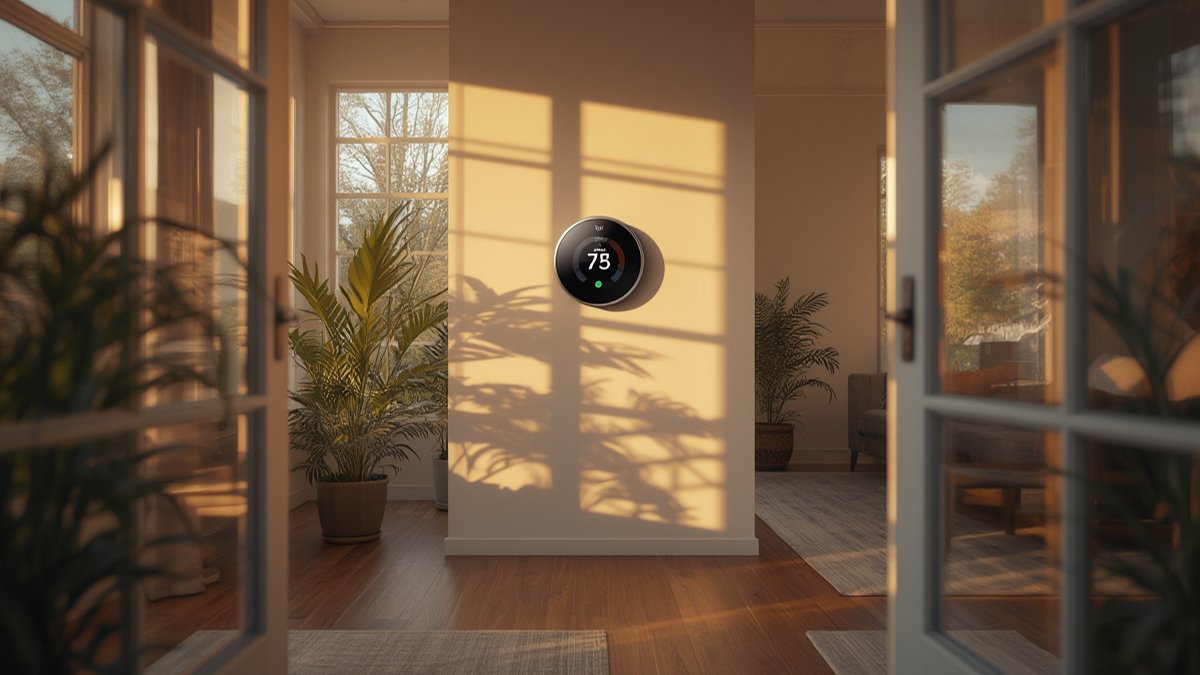
The Google Nest Learning Thermostat and Ecobee Smart Thermostat Premium are two industry-leading, WiFi-connected devices that manage your home’s HVAC system. Unlike manual or basic programmable thermostats, both learn your schedule, sense occupancy, and adjust temps automatically for savings you barely notice—at least when they’re set up right.
Best for: Homeowners or rental property managers with forced-air heating and cooling who want to trim 10-15% off HVAC energy use without fussing over daily schedules. Real bottom-line: if you have unpredictable routines, often travel, or forget to change settings, Nest and Ecobee can automate real savings.
Defining spec: “Learning” and sensor-driven controls. Both the Nest and Ecobee integrate with smart home platforms, but Ecobee includes a remote room sensor, which means you can dial in comfort better in multi-room setups.
Actual Energy Savings: What the Data Says vs. Manufacturer Promises
Let’s get specific: how much can a smart thermostat save you when real-world conditions kick in? According to utility trials across Indiana, homeowners saw a 13.3% drop in heating gas, and 14.5% cut in cooling electricity by switching from programmable thermostats to Nest units [source].
Ecobee (with advanced WeatherBug Home controls) delivered a 16.5% average cooling reduction—well above the 5-8% typically seen with simple programmable models.
But here’s the part most articles miss: smart thermostat savings hinge on your baseline habits and home quality. If your home is well-insulated, and you’re already diligent about manual setbacks, expect little improvement.
Many manufacturers ignore the fact that homes with poor insulation, uneven airflow, or multi-zone HVAC can have wildly inconsistent results—with some multifamily studies showing no measurable savings at all [source].
Seasonal and regional climate make a significant difference. Cold northern and hot southern regions see the biggest bill drops. In milder climates or homes with low HVAC usage, a $200+ investment may take far longer to pay back than advertised.
Pro Tip: If you want to maximize how much a smart thermostat can save you, enable all auto-away or occupancy-sensing features—and let the thermostat shift setpoints at least 2°F from your comfort default during the day.
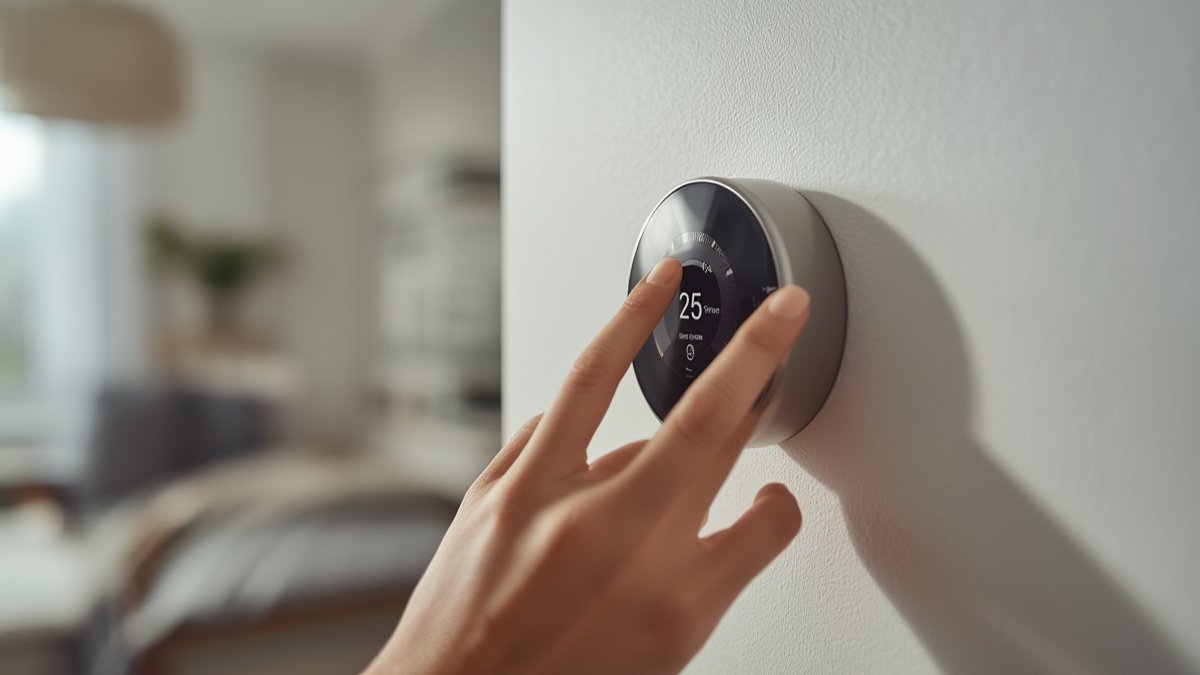
Hacks and Tricks: Nest’s “True Radiant” and Ecobee’s “Smart Recovery” modes let your system slowly ramp temps, using less energy during pre-peak hours. Set vacation mode before leaving—even a two-day trip can stack up noticeable savings if you don’t forget to adjust manually.
Research from ENERGY STAR pegs the average annual dollar savings at about $50—less than some brand sites claim, but enough to deliver payback within 1-2 years for mid-size homes in variable climates [source].
Many verified buyer reviews echo the core finding: those who let the device automate their comfort (and accept wider temperature swings) see the biggest impact. Frustrations mostly come from compatibility headaches, or expecting huge bill drops when running a single-zone system in always-occupied homes.
Looking for even more energy-saving opportunities? Pairing a smart thermostat with a home battery backup can help balance peak-hour usage. See our Best Home Battery Backup Systems guide for ideas that go far beyond just setting back your thermostat.
Ecobee vs Nest vs Programmable Thermostats: Honest Comparison
| Product Name | Price Range | Key Spec | Best For | Weakness |
|---|---|---|---|---|
| Ecobee Smart Thermostat Premium | $220–$260 | Remote room sensors, HomeKit/Alexa/Google integration | Homes with variable occupancy, multi-level layouts, or need for room-specific comfort | Room sensors require battery changes; interface less “slick” than Nest |
| Google Nest Learning Thermostat (3rd Gen) | $190–$250 | Learning schedule, auto-away, advanced algorithms | Users who want true “set-and-forget” efficiency; Google Home power users | Limited remote room sensing; doesn’t work well in homes with zoned or non-standard HVAC |
| Basic Programmable Thermostat (Honeywell 7-Day) | $25–$45 | Manual scheduling, no WiFi | Owners who always stick to a routine, want lowest upfront cost | No automation or remote control; savings rely entirely on user discipline |
If you’re debating whether how much can a smart thermostat save you versus using a programmable model, consider that smart devices consistently outperform even the best “dumb” ones for busy users or those likely to forget schedule changes. Still, as some independent studies noted, heat pump homes and multi-zone setups don’t always realize full savings [source].
One honest limitation rarely advertised: poorly insulated and multifamily homes may see little or no energy benefit. Comfort-wise, Ecobee beats Nest for managing uneven home layouts (thanks to its smart room sensors), but loses to Nest on learning “hands-off” automation.
See our full Best Smart Thermostats roundup for niche picks—like models for old homes or no-subscription options.
Curious how smart home upgrades stack up for ROI? Check our off-grid solar kit guide for big-picture energy savings, or compare portable power options in our recent portable power station reviews.

Who Should Buy and Who Should Not
- Buy this if you want to know exactly how much can a smart thermostat save you in a home with a fluctuating schedule or frequent unoccupied periods
- You live in a climate with large temperature swings (cold winters or hot summers) and run forced-air HVAC at least 3-4 months a year
- Your current thermostat is older than 10 years, or you often forget to adjust it before leaving or sleeping
- Skip this if your HVAC system is zoned, multi-family, or uses non-standard wiring without C-wire compatibility—results may not match the hype
- If your home already has heavy insulation, you’re home almost 24/7, and you obsessively adjust your thermostat, expect minimal additional savings
- Renters in apartments with baseboard electric heat or wall units that aren’t compatible with Nest or Ecobee
For most U.S. households the answer to how much can a smart thermostat save you is clear: double-digit percentage savings are likely—but only when you actually let the device automate comfort and your home isn’t already ultra-efficient.
Conclusion
Getting honest about how much can a smart thermostat save you: for most real-world homes and busy owners, switching to a Nest or Ecobee can trim 10-15% from annual HVAC energy use—sometimes up to $140 per year. But you’ll see closer to the low end if your home is tight, your habits are already top-notch, or your system isn’t compatible.
Is that enough to make the jump? For most, yes—especially given the quick payback versus pricier home energy upgrades like insulation or new windows. But know your baseline, review your HVAC specs, and use every automation feature to get there.
When your question is how much can a smart thermostat save you compared to all those “manual” habits, the answer is pretty definitive: for most, real money (and comfort) is on the table—but you need to set it up right, and you have to let it do its job.
Ready to decide?
Check the current price and availability
on Amazon before you buy.
FAQ
How much can a smart thermostat save you each month on energy bills?
For most average U.S. homes, you can expect to save between $10 and $20 per month if your HVAC runs for several seasons. That savings is typically 10%-15% of prior heating and cooling costs when switching from a manual or programmable thermostat to a Nest or Ecobee, as reported in multiple field studies.
Why do some homes see almost no savings after installing a smart thermostat?
Homes with excellent insulation, already-tight schedules, or multi-zone systems might see little improvement. Studies confirm properties with poor envelope quality or incompatible systems (like zoned HVAC or baseboard electric) frequently don’t hit the average savings most brands claim.
Is the ROI for smart thermostats better than upgrading insulation or windows?
The typical payback for a Nest or Ecobee is 1-2 years based on $50-$140/year in savings. Major envelope upgrades like insulation or new windows have longer paybacks (5-20 years), but deliver higher total savings over the home’s life. If short-term ROI is your priority, smart thermostats usually win.
What’s the biggest complaint from real buyers about energy savings?
Verified buyer reviews suggest the most common complaint is not seeing the drastic reductions advertised—often due to either compatibility issues or already efficient HVAC habits. Make sure your system and home setup are a good match before expecting huge bill drops.
Can a smart thermostat help during power outages or grid emergencies?
Smart thermostats themselves won’t provide backup power, but they can help by pre-cooling or pre-heating your home in the hours before an outage. To really maximize preparedness, consider pairing with a solar generator or home battery backup for seamless comfort and safety.