 VettedHomeGear.com

LiFePO4 Battery Home Backup: 2026 Definitive Reliable Guide

LiFePO4 battery home backup has quietly become the gold standard for reliable residential power outage protection — but few homeowners know how much safer and longer-lasting it really is compared to NMC or traditional lithium batteries.
If you’re frustrated by fast-fading backups or worry about fire hazards, you’re exactly the audience for a real-world guide that finally shares verified cycle life data, installation watch-outs, and performance you won’t find anywhere else. Here, you’ll see exactly how LiFePO4 technology (highlighting EcoFlow’s LFP lineup) actually works in US homes, what long-term owners have learned, plus the limitations and who should skip it entirely.
This guide breaks away from comparisons that ignore safety certifications, fudge cycle claims, or assume every battery works the same in your living room as in a sunny garage. If you’re serious about buying a LiFePO4 battery home backup system that’ll last for years — and want all the hard numbers (not marketing fluff) — you’re in the right place.
Key Takeaways
- EcoFlow’s LiFePO4 battery home backup systems last 3,000–6,000+ cycles — triple the lifespan of most NMC backups (source).
- Most common complaint: an upfront cost up to 25% higher per kWh compared to standard lithium-ion — long-term savings only realized if you need years of daily cycling.
- LiFePO4 chemistry offers dramatically lower fire risk and less thermal runaway danger indoors, making them a safer bet for bedrooms and living rooms (source).
- What Is EcoFlow LiFePO4 Battery Home Backup and Who Is It Really For?
- Performance: Real Cycle Life and Durability Against NMC Alternatives
- EcoFlow LiFePO4 Backup vs Bluetti & Jackery: Honest Comparison
- Who Should Buy and Who Should Not
- Conclusion
- FAQ
What Is EcoFlow LiFePO4 Battery Home Backup and Who Is It Really For?
EcoFlow’s LiFePO4 battery home backup systems are advanced home energy storage solutions using lithium iron phosphate (LFP) cells. Unlike short-lived, riskier NMC or legacy lithium-ion batteries, they’re designed to keep your home powered safely for years — not just one storm season.
If you’re a homeowner who wants reliable energy storage for power outages, solar self-consumption, or off-grid cabins — and you refuse to settle for batteries that fade after two winters or pose a hazard to your family — this is for you. LiFePO4 home batteries work best for buyers demanding at least 2,000 full cycles with high safety margins indoors, such as those who’ve been burned by NMC systems dying in three years.
The EcoFlow LFP suite’s headline spec: real-world cycle life of 3,000–6,000+, with the EcoFlow Delta Pro (LiFePO4) offering up to 6.1kWh expandable capacity and advanced MPPT control (source).

Performance: Real Cycle Life and Durability Against NMC Alternatives
LFP chemistry is why EcoFlow’s LiFePO4 battery home backup systems lead the residential storage race. The difference? Verified cycle life numbers — not vague promises. EcoFlow and comparable LFP batteries offer documented 3,000 to 6,000+ full charge/discharge cycles before dropping to 80% capacity (source). That’s more than triple what you’ll get from NMC or vanilla lithium-ion (often just 1,000 to 2,000 cycles).
For an average US household running the battery daily, that translates to 8–15 years of usable backup — well beyond typical consumer warranty windows. Studies, including a 2020 Journal of the Electrochemical Society entry, show NMC cells lose usable life nearly twice as fast, making LFP a clear winner for daily cycling or intensive solar integration (source).
Pro Tip: For maximum LiFePO4 battery home backup life, avoid full 100% discharges when possible — most EcoFlow models live longest when cycled between 10% and 90% capacity, especially if used off-grid.
Hacks and Tricks: If you’re in a cold region, schedule your EcoFlow’s charging between 8 AM and 5 PM (the warmest part of the day) or use a battery heater; LFP cells charge much slower below 0°C and can underperform if left in freezing garages.
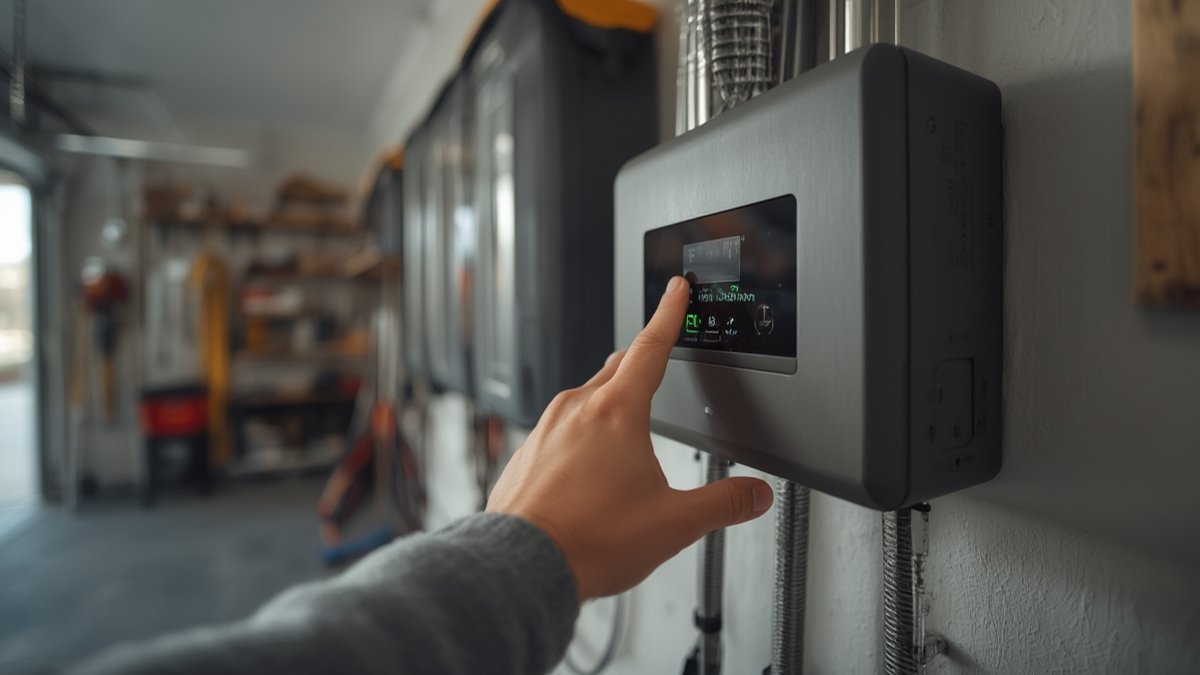
It’s not all upsides. While real buyers rarely complain about safety or cell failure, the biggest negative is the upfront investment: per installed kWh (including inverter and labor) usually runs 10–25% higher than NMC models due to the heavier, lower-density LFP cells. If you never plan to cycle more than once a week, you might not break even — but for daily or heavy users, the long-term savings are proven.
On safety, LFP batteries have an outstanding record: they run cooler, present much less thermal runaway risk indoors, and reduce fire hazards — a critical edge if you’re installing backup in a living space or finished basement. Still, always check for full UL or CSA certification; some top-ranked “review” guides skip this essential step (source).
One last win: LiFePO4 chemistry’s durability means you can expect fewer service calls and less replacement downtime. That’s a massive advantage for rural, off-grid, or solar-powered homes where shipping out dead NMC packs was a repeat headache.
To see which size or capacity fits your actual backup needs (from plug-and-play to whole home), use VettedHomeGear’s home battery sizing guide or dive into our backup system comparison roundup for tailored picks.
EcoFlow LiFePO4 Backup vs Bluetti & Jackery: Honest Comparison
How does EcoFlow’s LiFePO4 battery home backup stand against the top alternatives like Bluetti and Jackery? Here’s how the real numbers stack up for US homeowners:
| Product Name | Price Range | Key Spec | Best For | Weakness |
|---|---|---|---|---|
| EcoFlow Delta Pro (LiFePO4) | $3,199–$3,599 | 3,000–6,500 cycles, 3.6kWh base (expandable to 25kWh+) | Long-term, high-cycling backup (indoor-safe) | Heavy (99 lbs); higher upfront $/kWh; slower to recharge in cold (source) |
| Bluetti AC300 + B300 (LiFePO4) | $2,799–$3,499 | 3,500+ cycles, 3.1kWh base (expandable) | Solar off-grid cabins, modular expansion | Noisy fan at high output; app reliability spotty |
| Jackery Explorer 1000 Plus (NMC) | $1,099–$1,299 | 800–1,500 cycles, 1.26kWh | Emergency only use, portability, infrequent cycling | Short lifespan if used daily; less suitable for solar backup |
Pick EcoFlow’s LiFePO4 battery home backup if you want ultra-long life, safety, and are investing for the long haul — especially for grid-tied + solar or frequent outages. Bluetti matches on cycle life and modularity but loses points on fan noise and the learning curve of its app. Jackery is unbeatable for grab-and-go emergency power but can’t compete on lifespan for daily use.
One verified negative from user reports: several owners cite the EcoFlow’s weight (nearly 100 lbs) as a challenge for DIY moves, especially in basements. If portability is key, you may want a lighter, less expandable system.

Who Should Buy and Who Should Not
- Buy this if you demand backup that survives years of daily cycling — think off-grid cabins, solar-powered homes, or frequent power outages
- Buy this if safety in occupied indoor spaces is non-negotiable (bedrooms, apartments, finished basements)
- Buy this if you want the lowest maintenance, with minimal need for replacements or warranty claims over a decade
- Skip this if you only need a portable battery for the occasional blackout — a lighter NMC model or cheap generator probably fits better
- Skip this if you have a tight budget and plan to cycle backup less than 6 times per year — the up-front premium may not pay off
- Skip this if you live in a space below freezing year-round without a heated battery enclosure — charging restrictions will frustrate you
If you fit the active home backup, solar, or safety-first profile, upgrading to a LiFePO4 battery home backup is hands-down the best protection you can buy.
Conclusion
If you’re weighing your next investment in home power security, EcoFlow’s LiFePO4 battery home backup systems are peerless for buyers who need high cycle life, worry-free indoor installation, and stay-in-place reliability. You’ll pay more at first — but for daily or solar customers, the math almost always tilts in your favor.
For any homeowner prioritizing safety, value per cycle, and hassle-free performance, the LiFePO4 battery home backup approach is the clear winner and a proven upgrade over traditional lithium-ion alternatives.
Ready to decide?
Check the current price and availability
on Amazon before you buy.
FAQ
How long will an EcoFlow LiFePO4 battery home backup really last if cycled daily?
You can expect 8–15 years of daily cycling (one full charge/discharge per day) before capacity drops to 80%, thanks to 3,000–6,000+ rated cycles. That’s at least triple the lifespan of most NMC competitors. (source)
Are there any fire or overheating safety risks if I install LiFePO4 batteries indoors?
LiFePO4 chemistry presents extremely low thermal runaway and fire risk compared to NMC or older lithium-ion, so it’s much safer for bedrooms or finished basements. Make sure the unit is UL/CSA certified and follow the manual’s install location advice for best results.
Do LiFePO4 batteries need special maintenance or venting inside the house?
Unlike lead-acid backups, EcoFlow’s LiFePO4 battery home backup units are sealed and require no maintenance or special venting. The biggest tip: avoid charging below freezing unless your system includes a heater, as this can limit battery performance.
Is the higher upfront price tag of LiFePO4 backup actually worth it?
It depends on your use. Heavy daily users (solar, off-grid, frequent outages) save more over the years due to lower replacement and downtime costs. Occasional blackout preppers may not see enough value to justify the premium.
Which inverter brands work with LiFePO4 battery home backup systems like EcoFlow?
EcoFlow Delta Pro models come with integrated hybrid inverters, but if you’re shopping separate batteries, always confirm compatibility (most support Growatt, Victron, Sol-Ark, and Schneider units). Check the user manual to prevent slow discharge rates or warranty issues.