 VettedHomeGear.com
Matter Smart Home Devices: Definitive Warning 2026

Matter smart home devices have quickly become the go-to solution for homeowners struggling with ecosystem chaos—those endless battles syncing Zigbee bulbs with Alexa routines or finding a smart lock that works on both iOS and Android.
What most reviews miss: Matter’s rapid rollout comes with real-world quirks, surprising device limits, and honest compatibility gaps that can make or break your upgrade path—especially if you’re mixing Matter, Zigbee, and Z-Wave in a single network. Only someone who’s wrangled these setups over months will warn you that even in 2024, switching to Matter isn’t always the no-compromise leap marketers promise.
Matter’s promise of seamless, vendor-agnostic smart living sounds enticing. But beneath the hype, real buyers cite platform hiccups, delays in actual device support, and missteps integrating old gear—often requiring more planning than expected.
If you’re planning a clean break from Zigbee and Z-Wave, want to futureproof for 2026, or just want your HomeKit, Alexa, and Google Home to finally “talk” natively, you’re in the right place.
No sugarcoating. I’ll break down which Matter smart home devices actually work cross-platform today, which categories are lagging, and the common snags that even veteran smart home pros face. You’ll walk away knowing exactly who Matter is really for—and who will get burned by the pitfalls others gloss over.
Key Takeaways
- Matter smart home devices are supported by over 70 OEMs with roughly 180 certified, released, or in-beta products as of mid-2024—far fewer than Zigbee or Z-Wave categories.
(EE Times) - Verified buyers’ main complaint: device or category support gaps (robot vacuums, solar systems, etc.) mean not all old and new gear will instantly work together—even in big-brand platforms.
(MatterAlpha) - Matter’s biggest win: multi-admin support and platform freedom across HomeKit, Alexa, Google, and SmartThings, reducing ecosystem lock-in for new smart lock or thermostat buyers who plan to switch platforms.
- What Are Matter Smart Home Devices and Who Should Buy?
- Interoperability and Reliability: What Real Buyers Should Expect From Matter
- Matter vs Zigbee vs Z-Wave: Honest Smart Home Comparison
- Who Should Buy Matter Smart Home Devices—And Who Should Not?
- Conclusion
- FAQ: Matter Smart Home Devices
What Are Matter Smart Home Devices and Who Should Buy?
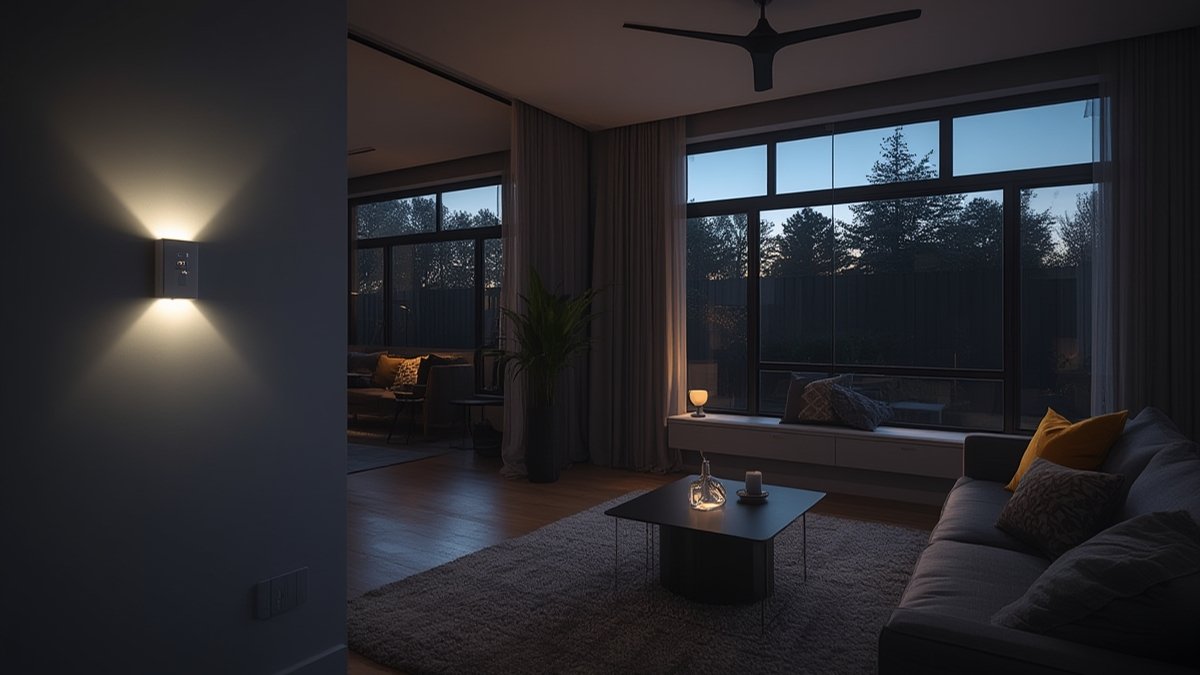
Matter smart home devices are a new generation of Wi-Fi and Thread-enabled products—including locks, thermostats, sensors, and plugs—built to work natively across major platforms like Apple HomeKit, Amazon Alexa, Google Home, and Samsung SmartThings. Unlike Zigbee or Z-Wave, which often force you into one app or bridge, certified Matter devices can be controlled and automated from any compatible ecosystem, often simultaneously.
For buyers frustrated by “walled garden” gear, Matter is best for those rebuilding or expanding their smart homes in 2024 or later—especially homeowners who’ve felt burned when migrating between Alexa, HomeKit, and Google or want one device to show up in every app, not just one.
It’s also made for installers and DIYers looking to futureproof for new device categories like EV chargers, kitchen appliances, and advanced energy management.
One defining spec? Most Matter Thread border routers (Apple TV 4K, HomePod Mini) support up to 150+ devices on a single mesh—though practical reliability tops out closer to 100 devices with 4-6 powered nodes. That’s a huge leap compared to legacy Zigbee bridges maxing out at 30-50.
Interoperability and Reliability: What Real Buyers Should Expect From Matter
The number one reason buyers try Matter smart home devices is the universal control claim—the ability to mix-and-match sensors, locks, bulbs, or thermostats regardless of who makes them or which app they’re set up in. In real-world use, this mostly works—but with caveats every new buyer should know.
First—and this comes up constantly in Reddit, SmartThings, and Amazon reviews—real Matter device support lags well behind the marketing cycle. While Matter 1.4 brings sexy new categories like solar inverters, washing machines, and robot cleaners, almost every launch is followed by a frustrating “coming in firmware soon” reality.
As of late 2024, smart locks and thermostats (like those from Aqara, Lockly, and Ecobee) show up quickly in Apple, Alexa, and SmartThings apps. But complex categories like cameras or multi-function hubs are often left waiting for full third-party support.
User feedback consistently notes that platforms are not equal—SmartThings may support Matter locks but not older robot cleaners; Apple’s Home app won’t natively see new heat pumps or solar panels until at least tvOS 26 in late 2026.
(DataWire Solutions) Early Matter device owners often face reliability annoyances right after Matter spec releases: routines drop, sensors disappear, and some third-party automations get out of sync for weeks during updates.
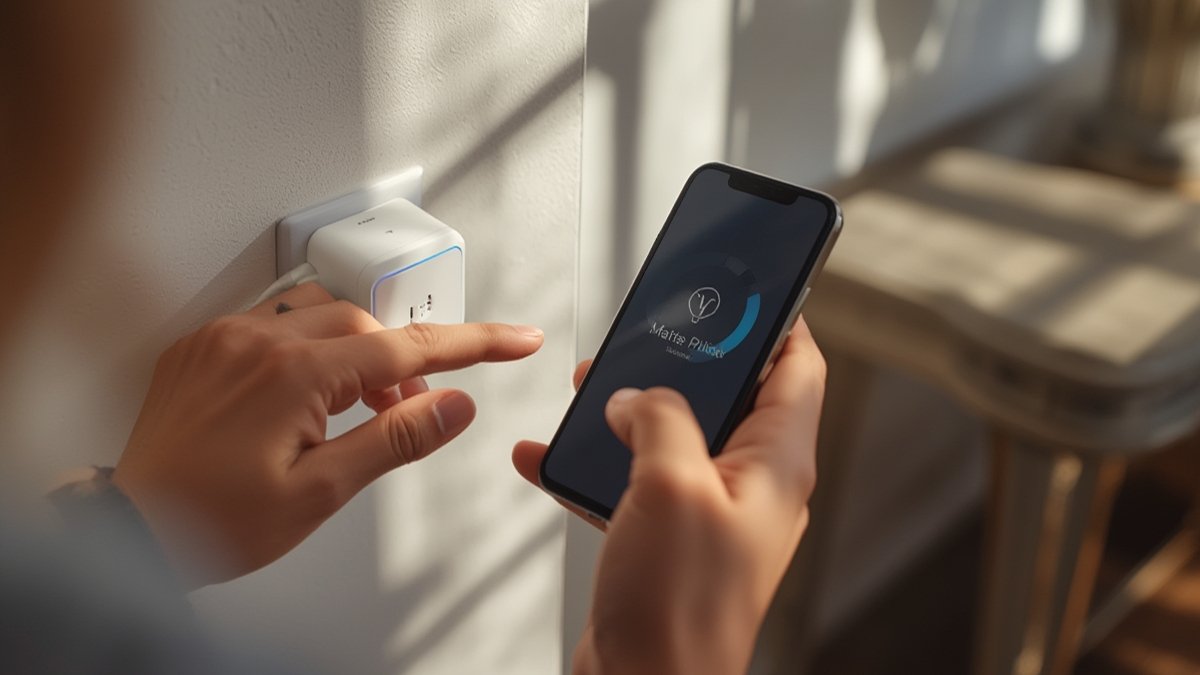
Rigorous mesh planning is key—Thread mesh networks (used by most new Matter devices) want at least 4-6 always-powered border routers (think HomePod Mini, Google Nest Hub Max, or an Aqara M3 plugged in at either end of the house).
Wi-Fi-only Matter devices benefit from strong home coverage and smart switching: hubs like Aqara M3 and Lockly Matter Link Bridge bridge older Zigbee, Bluetooth, and IR gear into a single Matter ecosystem, but rollout delays can leave critical devices unsupported or stuck in legacy modes for months.
Pro Tip: Don’t trust a “Matter compatible” icon alone if you rely on advanced automations or non-mainstream devices—always check current platform-specific support for your use case and confirm the hub’s firmware matches at least Matter 1.4.2 before replacing legacy bridges.
Hacks and Tricks: For big installations (over 50 Matter devices), map out your Thread mesh on paper and stagger installs, rebooting each border router after every 10 new device pairings—this avoids half your sensors vanishing from the Home app or Alexa routines.
A personal note: When setting up two homes—one “all in” on Matter and one legacy Zigbee—the Matter layout delivered better device discoverability and cross-platform triggers, but only after weeks of bridge firmware updates and some forced device resets.
If you expect day-one perfection, you’ll be frustrated. But for buyers willing to set aside an hour or two for troubleshooting, the flexibility pays off fast.
Alongside new Matter gear, you’ll likely need to plan for energy resilience: see our guides to home battery backup systems and solar generators—as many of these systems are being integrated alongside Matter-enabled energy management.
Matter vs Zigbee vs Z-Wave: Honest Smart Home Comparison
Picking between Matter, Zigbee, and Z-Wave means balancing cost, device availability, and future ecosystem flexibility. Here’s a direct side-by-side look at what actual buyers experience:
| Product Name | Price Range | Key Spec | Best For | Weakness |
|---|---|---|---|---|
| Aqara M3 (Matter/Thread/Zigbee/Bluetooth Hub) | Not yet listed (Q2 2024 launch) | Up to 150 Matter devices (real-world: 100 w/ 6 relays) | Multi-ecosystem homes; new builds; Matter binding automation | Rollout delays; incomplete device support at launch |
| SmartThings V3 (Zigbee/Z-Wave Hub) | $89–$129 | Handles 200–300 Zigbee/Z-Wave/Matter (mixed) devices | Legacy gear; renters; seasoned smart home users | No full-featured Matter 1.4+ support; robot vacuum gaps |
| Lockly Matter Link Bridge | Included with $350 Lockly Secure Pro | Bridges existing Wi-Fi locks to Matter | Wi-Fi-first homes; Apple HomeKey + Matter automation | Pricey per device; bridge availability spotty |
Buyers leaning toward Matter smart home devices should choose Aqara M3 or other Thread-equipped hubs if you prioritize futureproofing, universal device control, and plan mixed-vendor installs.
SmartThings V3 remains superior for those with deep Zigbee/Z-Wave investments or who want proven reliability for legacy gear as Matter continues its rollout. Lockly bridges are worthwhile only if you’re invested in specific Wi-Fi locking solutions and prioritize HomeKey, but watch for higher costs and supply delays.
One major limitation of Matter as of 2024 is its slowly expanding device support: if you need category coverage (e.g., cameras, solar, HVAC), check your platform’s current Matter 1.4+x feature list, as verified buyers remain frustrated by surprise mismatches.
(MatterAlpha | DataWire Solutions)
For day-to-day security and surveillance, Matter-integrated systems can play nicely with your smart home security system and video doorbells, but check that your favorite devices have rolled out the right firmware update—or you may want to stick with proven models from Wyze, Arlo, or Ring for now.

Who Should Buy Matter Smart Home Devices—And Who Should Not?
- Buy if you plan to rebuild or expand your smart home from scratch and want maximum device flexibility with Matter smart home devices
- Buy if you already rely on Alexa, Google, or Apple Home and want your new gear to work across all platforms without vendor lock-in
- Buy if you’re installing new categories like locks, thermostats, or EV chargers and want easy cross-app integration—see our guide to Matter-compatible smart locks and smart thermostats
- Skip if your home relies heavily on legacy Zigbee/Z-Wave sensors not yet supported by Matter bridges—or if your must-have devices aren’t available in Matter yet
- Skip if you expect flawless integration with advanced categories (solar, robot vacuums, specialty cameras) as many platforms lag on Matter 1.4-1.5 support
- Skip if you’re unwilling to troubleshoot firmware, mesh planning, or bridge setups for complex multi-device installs
For homeowners who want cross-platform reliability now, and plan to grow their network over time, Matter smart home devices offer the clearest path to futureproofing—if you’re realistic about second-year updates and device support.
Conclusion
Matter smart home devices are a breath of fresh air for those tired of vendor lock-in and chaotic app bloat. Their growing device support and robust Thread mesh capabilities make them the top pick for anyone starting or rebuilding a smart home today.
But the rollout remains a work in progress: real-world Matter buyers encounter platform quirks, firmware delays, and occasional support gaps you can’t ignore. Despite that, if you crave true platform freedom for your home automation, Matter smart home devices are the best choice for 2024 and beyond.
Ready to decide?
Check the current price and availability
on Amazon before you buy.
FAQ: Matter Smart Home Devices
How many Matter smart home devices are available compared to Zigbee or Z-Wave?
As of mid-2024, about 180 certified, in-beta, or announced Matter smart home devices are on the market—significantly fewer than the mature ecosystems of Zigbee and Z-Wave, which feature thousands of options. Matter’s coverage is expanding fast but still trails the legacy protocols in total device variety. [source]
What’s the biggest limitation reported by buyers using Matter smart home devices?
The most consistent complaints are incomplete device category support and delays syncing third-party devices after new Matter releases. For example, Apple Home may not support certain new categories (like heat pumps or solar systems) until a future update, resulting in unexpected gaps.
What network setup is required for reliable Matter Thread device performance?
You’ll want at least 4-6 always-powered Thread border routers (Apple TV 4K, HomePod Mini, or compatible hubs) to get stable mesh coverage for 50-100+ Matter smart home devices. For larger setups, plan multiple routers and a clear mesh topology. [source]
Can I replace all my Zigbee and Z-Wave devices with Matter today?
No—while bridges exist (like the Aqara M3), they don’t yet support every legacy device or automation. Buyers often need to run Matter and legacy Zigbee/Z-Wave networks side-by-side for now if they want total feature coverage.
Are Matter smart home devices more expensive than Zigbee/Z-Wave alternatives?
Matter hub pricing is still shaking out. Some bridges are bundled with $350+ locks, while Zigbee/Z-Wave hubs like SmartThings V3 run under $130. Matter’s extra multi-vendor and futureproof features may justify a higher upfront cost if you’re starting fresh.