 VettedHomeGear.com

Propane Vs Natural Gas Generator: 2026 Definitive Best Guide

Propane vs natural gas generator — it’s one of the most fiercely debated decisions for homeowners shopping whole-home backup power, and not just because your neighbor swears by his Generac or Champion model.
When you need to keep your lights, refrigerator, and crucial circuits alive during long grid outages, the choice between propane and natural gas generators shapes installation cost, your ongoing operating bill, and even your disaster resilience for years to come.
What most guides miss: these fuels deliver radically different energy densities, storage needs, and safety trade-offs you’ll only recognize if you’ve run a generator daily. This hands-on, data-driven guide will cut through manufacturer hype and dig into the real math, hidden frustrations, and field-tested hacks that separate hype from reality in the propane vs natural gas generator debate.
We’ve poured over verified buyer reports, dissected utility rate sheets, and compared the latest Generac and Champion recommendations to tell you what the sales reps won’t — especially if your install isn’t “by the book.” Ready to make the numbers (and the honest user upsides and downsides) work for you?
Key Takeaways
- Natural gas generators usually cost 20-35% less per hour to run than propane models, thanks to lower utility rates — even though propane packs more BTUs per cubic foot (source).
- Biggest propane frustration: On-site tanks require constant fuel monitoring and can leave you stranded during region-wide delivery slowdowns, a common pain point during ice storms and hurricanes.
- Buy a propane generator only if you can safely install and refill a 500+ gallon tank — not ideal for small lots or those who want truly “hands-off” backup power.
- What Is a Propane vs Natural Gas Generator and Who Is It Really For?
- Operating Costs and Runtime: What Homeowners Actually Pay (and Save)
- Propane vs Natural Gas Generator vs The Alternatives: Honest Comparison
- Who Should Buy and Who Should Not
- Conclusion
- FAQ
What Is a Propane vs Natural Gas Generator and Who Is It Really For?
A propane vs natural gas generator describes any whole-house backup system designed to power your home circuits by burning either liquid propane (LP) from a bulk on-site tank or natural gas piped directly from your utility line.
These standby models — often from brands like Generac, Kohler, and Champion — automatically kick in within seconds of grid loss, delivering 8,000 to 22,000 running watts (enough to energize HVAC, sump pump, fridge, and even an electric range).
Propane vs natural gas generator models are best for homeowners in storm-prone regions who can’t risk days without power and want a backup fully integrated with their existing panel. You’ll especially value these systems if you have critical home medical devices, extensive frozen food storage, or an all-electric house.
The crucial spec: most 22kW class models, like a Generac Guardian 22kW, will consume 13–48 gallons of liquid propane or the equivalent in natural gas per day depending on load (source).
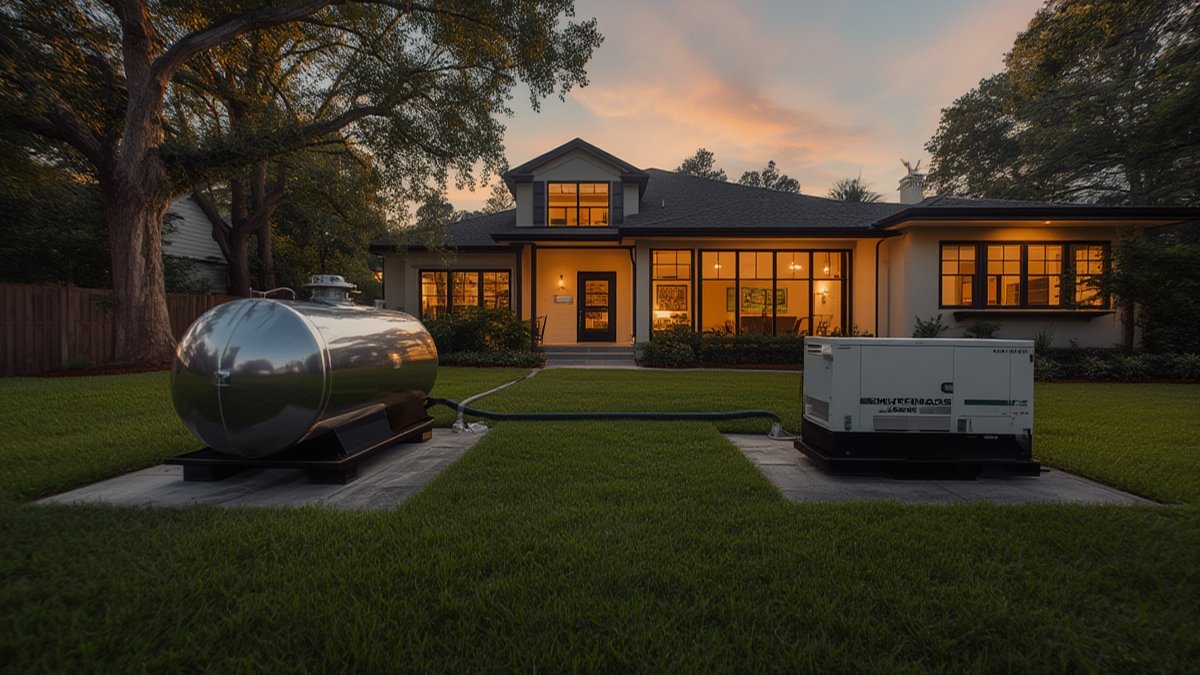
If you’re upgrading from a portable generator or a failed UPS battery backup, the propane vs natural gas generator question is your ticket to automatic, extended whole-home power — but it comes with its own set of install, maintenance, and cost realities that DIYers and “set it and forget it” owners should weigh up front.
Want more plug-and-play battery alternatives to avoid refueling altogether? Check our guide to home battery backup systems, which break down whether a LiFePO4 or powerwall solution fits your outage patterns (sometimes even replacing a traditional standby generator entirely).
Operating Costs and Runtime: What Homeowners Actually Pay (and Save)
If you’re asking which fuel will drain your wallet fastest, the average cost per hour to operate a propane vs natural gas generator comes down to two variables: local utility rates, and how efficiently each fuel gets converted into electricity hour after hour.
Natural gas wins out for raw fuel cost — in most U.S. service areas, 1,000 cubic feet of natural gas delivers 1 million BTUs for about $15 (2024 prices), while the same BTU from propane takes 11.2 gallons at $2.50 per gallon, putting the per-BTU cost 30–40% higher for propane even though it’s more energy-dense per cubic foot (source).
For a whole-house generator running at 10–20kW, you’ll see average propane consumption of 13–48 gallons per day if the unit runs continuously — and yes, that’s a real tank refills headache during long outages.
Why does this matter? Homeowners in Texas after the 2021 freeze shared horror stories: even those who pre-bought propane ran out after 4 days, while their natural gas-driven neighbors kept running (as long as service wasn’t disrupted by line pressure or utility shutoff).
It’s the main real-world edge to piped natural gas: it’s there when you need it, no refueling, no “did my tank truck come?” stress.
Pro Tip: If your area’s natural gas lines are prone to quake or storm shutdowns, install a dual-fuel enabled generator and keep at least a partially filled propane tank on site — this lets you ride out the first outage hours on mains gas, then swap to LP only if municipal supply fails.
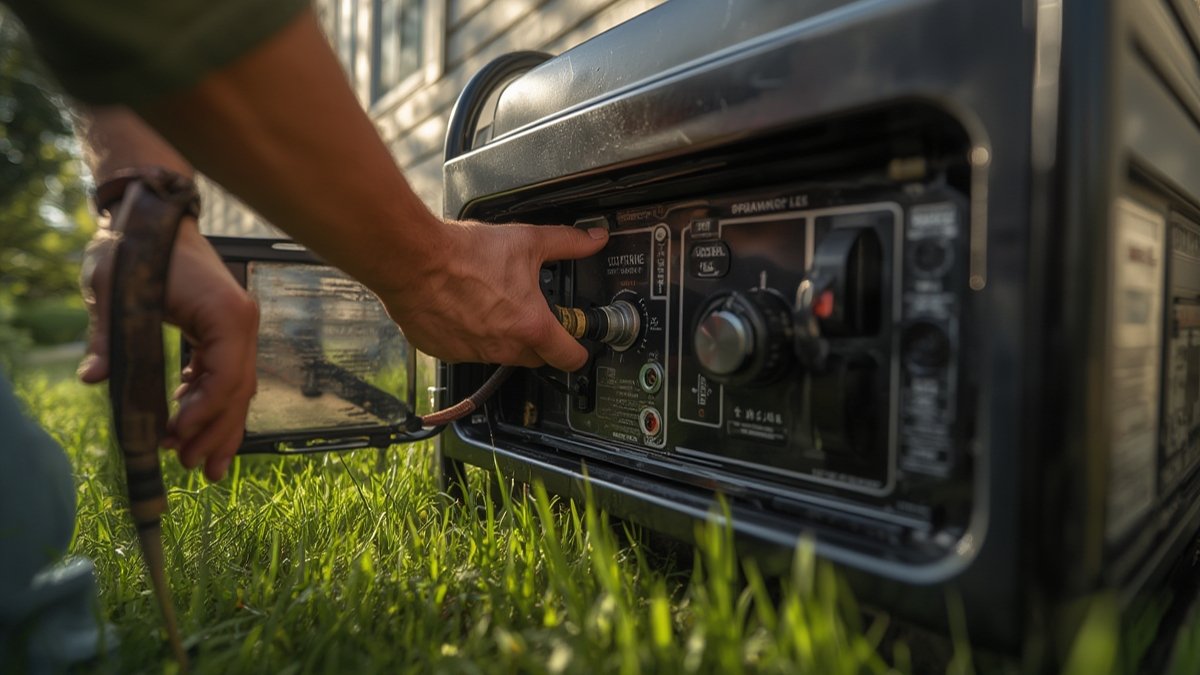
Hacks and Tricks: For extreme cold starts, store a magnetic block heater nearby and insulate your generator’s regulator assembly if running propane — avoiding pressure drop stalls that have frustrated many Minnesota and Maine users during deep freezes.
Hidden installation costs often get glossed over. Propane requires precise tank siting to code (10–25 ft away from structures, per most municipalities), burying additional lines, and often a concrete pad.
That’s on top of the tank rental or purchase fee. Natural gas installs seem cheaper — if you have a line. But if your home is far from municipal gas, expect five-figure utility hookup costs that flip the economic equation.
For routine maintenance, natural gas units generally go longer between fuel filter changes, since mains gas arrives cleaner.
Propane generators demand regular tank inspections, regulator checks, and more frequent air filter swaps due to the additional dust kicked up by outdoor tanks (a repeated maintenance theme in Texas and Oklahoma user forums).
Looking for off-grid or no-fuel-delivery alternatives? Solar can fill part-time needs, especially with the right solar generator for daytime essentials. For extended outages, though, nothing matches a piped-in supply or a well-stocked tank for pure runtime.
Propane vs Natural Gas Generator vs The Alternatives: Honest Comparison
Let’s get honest: most whole-home generator buyers are choosing between a Generac propane vs natural gas generator, a natural gas-only permanent install, and (for the technically adventurous) a high-capacity battery backup system. Here’s how the major real-world contenders stack up:
| Product Name | Price Range | Key Spec | Best For | Weakness |
|---|---|---|---|---|
| Generac Guardian 22kW (Propane/Natural Gas) | $5,500–$7,000 installed | 8,000–22,000W, 13–48 gal/day LP or mains gas | Medium/large homes needing days of runtime | LP tanks require frequent monitoring, large footprint |
| Champion Home Standby 14kW (Dual Fuel) | $4,500–$6,000 installed | 14,000W, easy NG/LP switch, mobile app alerts | Suburban owners near utility gas with backup tank option | Natural gas install costs high if line not present |
| Whole Home Battery Backup (e.g. Powerwall 3, Anker SOLIX) | $12,000–$35,000+ installed | 10–100kWh+, 100% silent, eligible 30% tax credit | No-fuel, full-off-grid owners, solar integration | Expensive, shorter runtime at high draw, needs solar/grid charge |
For most, the Generac Guardian or Champion dual-fuel models hit the sweet spot on capacity and flexibility: you can run on piped gas if available, or flip to propane if the utility shuts off.
Battery backups like Tesla Powerwall or Anker SOLIX F3800 now match standby generators in instant transfer, but not in sustained multi-day runtime unless you can afford massive stacks (see our deep dive on whole home battery backup).
Watch for this: verified Generac and Champion buyers most frequently cite tank refills as their #1 frustration with propane, especially after winter storms snarl local deliveries. It’s why many rural users now plan for at least a 500-gallon buried tank — and still check levels after every major run.

If silent operation and minimal maintenance win out over maximum duration, modern LiFePO4 battery systems with solar panels might be more practical for city-dwellers, but you’ll want to calculate true kWh needs first (use our home battery sizing guide for real examples).
Who Should Buy and Who Should Not
- Buy this if your home frequently faces multi-day outages and you can install at least a 500-gallon propane tank away from living spaces — you’ll get weeks of backup when utility gas is down.
- Choose the propane vs natural gas generator route if your property is rural, has no native gas line access, or you must guarantee backup when public infrastructure fails.
- A propane vs natural gas generator also wins for disaster preppers and medical device users who cannot risk “maybe the gas utility is working” as their only power plan.
- Skip this if your lot size, city code, or family peace-of-mind won’t allow safe (and hidden) LP tank placement. Strict siting rules make propane impossible for many urban lots.
- Skip any propane vs natural gas generator if you expect to leave your home unattended for weeks; fuel checks and line inspections require a present owner or a trusted local caretaker.
- If you want zero on-site refueling, opt for battery or utility gas only — but remember natural gas generators shut down instantly if a quake or freeze cripples the gas grid.
Bottom line: A propane vs natural gas generator is best for homeowners with the property (and budget) to support real tank storage and who want peace of mind even if the utility goes dark.
Conclusion
The choice between a propane vs natural gas generator isn’t just technical — it’s personal, logistical, and financial. The right answer depends on your fuel access, lot size, code rules, and how long you truly want uninterrupted backup power for your family. Both options outperform gasoline for safety and storage, but each brings hidden installation steps, cost realities, and user frustrations you need to plan for up front.
For most suburban homes, a dual-fuel Generac or Champion propane vs natural gas generator offers the most resilient blend of unlimited utility supply (when available) and true independence. If you want less to worry about — or want to move away from fossil fuels entirely — look hard at a modern battery backup as detailed on our expert guides. As energy resilience becomes a mainstream need, the propane vs natural gas generator conversation is only getting more critical for new homebuyers and long-time owners alike.
Ready to decide?
Check the current price and availability
on Amazon before you buy.
FAQ
How much does it actually cost to run a propane vs natural gas generator for a whole house?
Running average: Natural gas is 20-35% less expensive per BTU compared to propane, depending on utility rates. For a large generator, you’ll burn through about $25 of natural gas per day during outages, while propane for the same runtime can cost $35–50, not counting delivery charges (source).
What’s the most common real user complaint with propane generators in long outages?
Most buyers report that fuel checks and scheduling timely refills is stressful, especially if storms delay tank delivery. Running out mid-outage is rare but happens, which can leave you cold and dark while your neighbors (on natural gas) keep running.
Do cold temperatures cause more starting problems in propane vs natural gas generators?
Propane generally starts reliably, but in deep cold snaps, tank pressure can drop, sometimes triggering regulator errors or slow starts. This is more of a problem in climates below -20F; it can be mostly avoided with insulation and tank heaters. For added peace of mind, consider using a Battery Tender Junior 12V, 800mA Battery Maintainer to help ensure batteries remain at optimal charge for easier cold weather starts.
Can I convert a natural gas generator to propane for backup?
Yes, conversion kits are widely available so you can swap a natural gas generator to use propane. Many buyers do this for emergency independence, but make sure the original unit is designed for dual-fuel use or your warranty might be voided.
What’s better for city homes: propane or natural gas generator?
Natural gas is usually better for city homes if you already have a utility line — no storage, no refueling, and a smaller generator footprint. Propane is often blocked by city storage rules or lack of delivery infrastructure in high-density neighborhoods.