 VettedHomeGear.com

Best Solar Generators of 2026: Top Picks for Home Backup

Best solar generators are changing how homeowners and outdoor enthusiasts prepare for outages and off-grid adventures. As 2026 market data shows, demand is soaring—but the right choice depends on your real needs, not just sales hype. Read on for real numbers, hands-on advice, and pitfalls to dodge before you buy.
Key Takeaways
- Solar generators are a rapidly growing, sustainable backup power alternative with the U.S. market forecasted at over $225 million in 2026.
- User priorities for 2026: smart home integration, high capacity (2,500 Wh or more), and long-life LFP batteries—maintenance and cost are clear advantages over gas units.
- Major purchase considerations include compatibility with appliances, recharge times, portability, and the realities of up-front cost versus long-term savings.
- What Are Solar Generators and Why Are They Taking Over?
- Step-by-Step Guide: How to Choose and Use the Best Solar Generators in 2026
- Advanced Analysis & Common Pitfalls When Choosing a Solar Generator
- Conclusion
- Frequently Asked Questions
What Are Solar Generators and Why Are They Taking Over?
Solar generators harness sunlight through photovoltaic (PV) panels, store the energy in rechargeable batteries, and convert it to usable power via inverters for home appliances, electronics, or work equipment.
Unlike traditional gas generators, solar generators offer quiet, maintenance-light backup without reliance on fuel supplies—which matters more as weather disasters and grid disruptions rise. In 2026, residential adoption in the U.S. is at record highs, fueled by clean energy incentives and better integration with smart home integration systems.
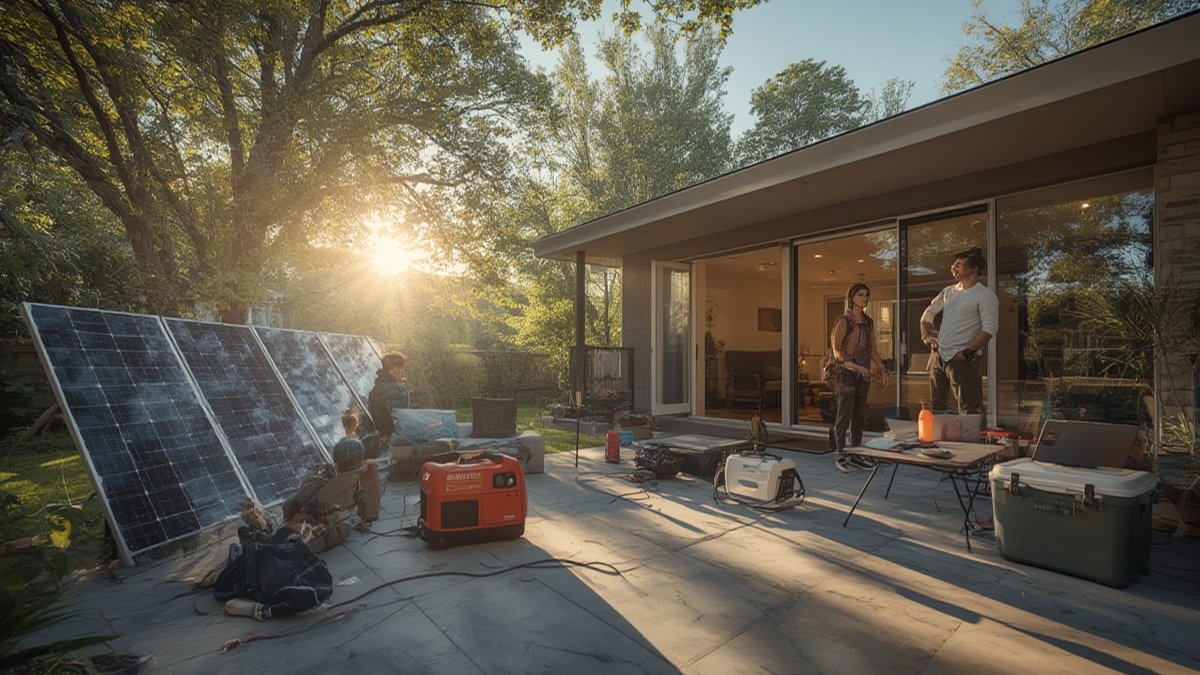
North American buyers now drive 35%+ of the global solar generator market, largely for home backup power, boating, RVs, and emergency preparedness. New battery tech like LiFePO4 (LFP) delivers longer cycle life, while smart features (remote app monitoring, notifications for recharge) are shifting user expectations. According to Fortune Business Insights and Precedence Research, global market value is on pace to hit as much as $713 million in 2026, with a majority of sales for home and portable (2000+ W) models.
If you’re searching for the best home backup solution, solar generators deliver peace of mind and genuine long-term savings—but the smartest option depends on how you’ll use it, what you’ll power, and how much you’re willing to invest up front.
Step-by-Step Guide: How to Choose and Use the Best Solar Generators in 2026
- Define Your Power Needs
List all appliances, devices, or tools you want to run during a blackout, camping trip, or worksite use. Most homeowners target fridge, medical devices, lights, laptops, and essentials.
Add up their starting (peak) and running (continuous) wattages—aim to size your generator at least 20% above your highest expected load. Use our solar generator sizing calculator to simplify this step. - Compare Battery Capacity and Output
Look for models offering at least 2,000 Wh for partial home backup; for whole-home resilience, capacities above 2,500 Wh (which account for 39%+ of 2026 sales) are optimal. More output ports (USB, AC, DC) mean greater flexibility. Learn more about LFP battery longevity and why higher cycle counts give better value. - Prioritize Smart/Remote Features
fast recharge (solar and wall), Bluetooth app monitoring, overload protection, and seamless smart home integration are now must-haves for many. If you use Alexa, Google Home, or similar systems, prioritize models with this compatibility. - Evaluate Portability and Durability
Check real product weights, handle and wheel design, and rated weather resistance. For portable camping and RV use, a lighter build can be vital. For stationary backup, rugged housing and convenient installation matter more. - Check Warranty and Manufacturer Support
In 2026, a 5-year warranty is standard for top models using LFP batteries. Avoid brands with poor support or unclear repair/replacement policies. - Understand Upfront Cost and Real Long-Term Savings
Although 2000W portable solar generators can be pricey up front, they offer zero fuel costs, no emissions, and minimal maintenance needs compared to gas units. Our deep dive on long-term solar generator ROI breaks down all the numbers. - Install and Test Before You Need It
Set up your generator with the help of the manufacturer’s manual. Run practice tests—simulate an outage if possible, and check compatibility with your key appliances. For optimal solar charging, angle panels towards midday sun and avoid shade.
💡 Pro Tip: When sizing for backup, account for off-label loads like Wi-Fi routers or medical devices—these small draws add up over hours of outage.
🔥 Hacks & Tricks: Pair two compatible generators in parallel for double the power—some models offer “expansion battery” accessories for greater flexibility during long outages.
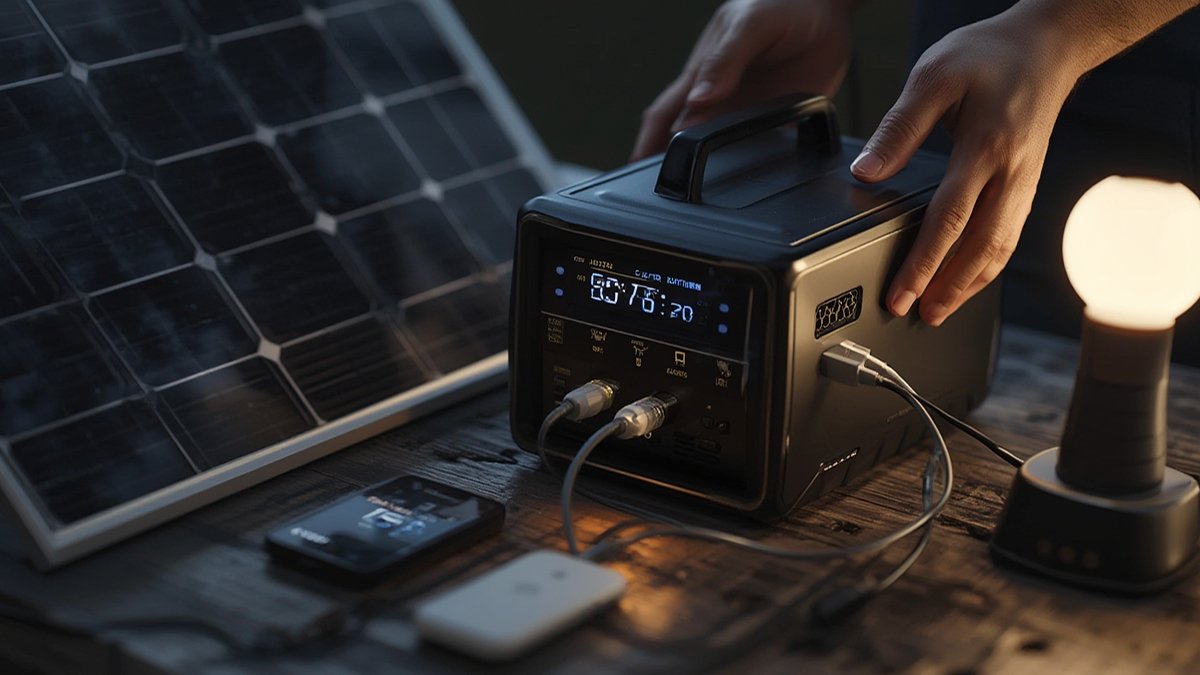
Want more practical strategies? Read our ultimate RV solar generator setup guide or visit off-grid solar generator tips for advanced users.
Advanced Analysis & Common Pitfalls When Choosing a Solar Generator
Real-world reviews and research data point to these common issues and missteps—ignore them at your own risk:
- Overestimating Generator Run Time: Most buyers underestimate how quickly battery capacity drops under full appliance load. Always use real watt-hour (Wh) consumption calculations over “marketing hours.”
- Underestimating Solar Recharge Times: Cloudy weather, poor panel angles, or undersized arrays can triple charge time. Backup solar panels—or wall charging—give flexibility during storms.
- Ignoring Inverter Surge Ratings: Appliances like refrigerators or well pumps may require a much higher startup/surge wattage than “running” wattage—match to inverter specs, not just battery capacity.
- Assuming All Components Are Included: Panels are often sold separately. Extension cables, parallel kits, and mounting hardware add cost and complexity.
- Maintenance Neglect: While solar generators are lower maintenance than gas, battery health depends on monthly checkups and periodic top-off charging.
| Feature | Solar Generators (2026) | Gas Generators |
|---|---|---|
| Power Supply | Sunlight—battery stored, no fuel needed | Requires gasoline or propane |
| Maintenance | Low (battery checks, cleaning panels) | Frequent (oil changes, spark plugs, fuel stabilizer) |
| Emissions/Noise | Zero emissions, very quiet | Fumes, much louder |
| Operating Cost | Minimal (free sunlight) | Ongoing fuel costs |
| Upfront Cost | Generally higher for same output | Lower for same output |
| Best For | Indoor/outdoor, home backup, sensitive electronics | High-demand, short-term, or remote fueling needs |
For the in-depth differences, see this 2026 U.S. portable solar generator market analysis.
A major consumer frustration is vague marketing on specs—exact cycle life, warranty, or cost per watt-hour is rarely disclosed. Always ask for technical datasheets and third-party test results. As of 2026, data consistently shows the >2,500 Wh category as the most reliable for whole-home or multi-day backup (source), but sold-separately accessories or installation costs can catch newcomers off guard.
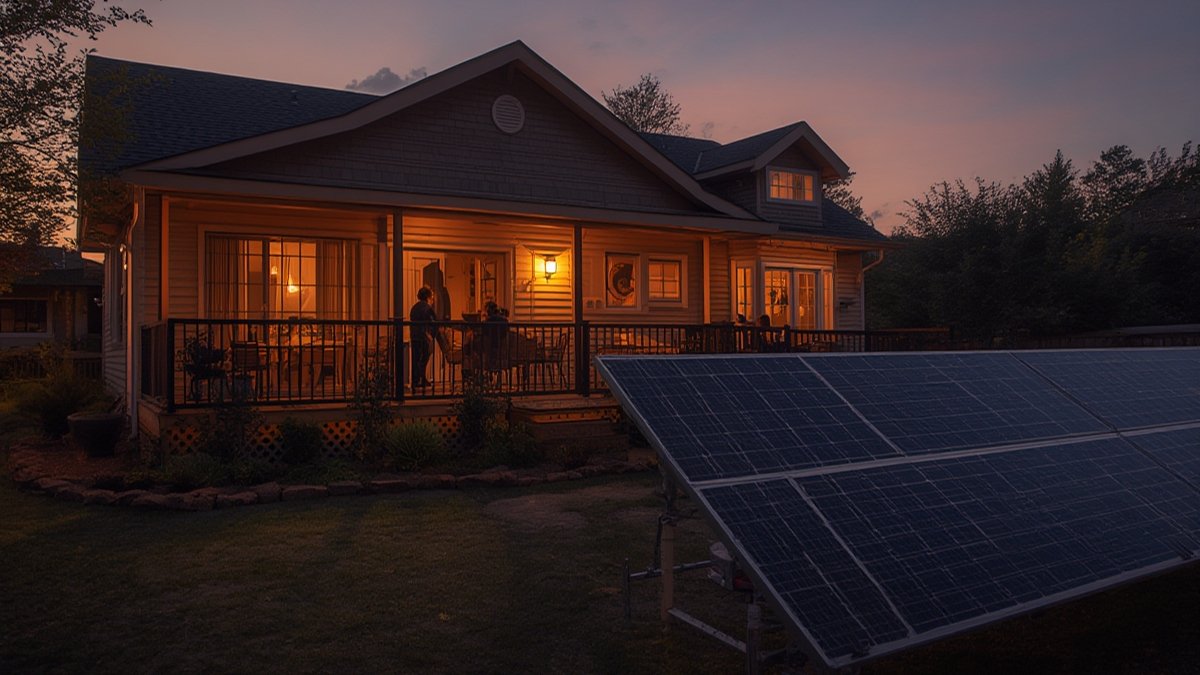
If you want a hands-on breakdown of installation pitfalls, see our guide: fixing common solar generator problems.
Conclusion
Solar generators are set to outpace traditional backup solutions in reliability and sustainability, but choosing the right model is not as simple as picking from a list of “bests.” Run a sizing audit, read real specs, and weigh long-term value—not just up-front price. As the best solar generators of 2026 move toward higher capacity, smart features, and LFP batteries, being an informed buyer pays off for years to come.
Ready to compare models or need a step-by-step buying checklist? Contact our expert team or check our detailed solar generator reviews for honest, hands-on results.
Frequently Asked Questions
How long will a 2000W solar generator run my refrigerator or freezer?
Most average fridges (using about 100-200W running, with 800-1200W surge) will run for 10-20 hours on a 2,000Wh battery, if not opened frequently and without powering other devices. Always check your fridge’s startup draw and calculate using real Wh ratings.
Do solar generators work during cloudy days or winter storms?
Yes, but charging speed drops significantly in overcast conditions. Reliable backup planning means oversizing your panel array and keeping the generator topped off via wall charging before outages.
How does cycle life impact solar generator value?
Cycle life is how many charge/discharge cycles a battery can handle before losing much capacity. LFP batteries, now standard in premium models, offer 2,500–5,000+ cycles, cutting effective cost per Wh by up to 50% over cheaper chemistries.
What maintenance does a solar generator require?
Mainly periodic battery checks, keeping batteries topped up when in storage, cleaning solar panels, and updating software on smart models. There’s no fuel, no oil to change, and no regular engine servicing.
Are solar generators worth the upfront cost compared to gas?
For most home and off-grid uses, yes—especially where noise, fumes, and fuel storage are issues. While initial cost is higher, you’ll save on fuel/maintenance, and get safer indoor/outdoor usage.