 VettedHomeGear.com
Best Solar Panels for Home: 2026 Definitive Guide

Best solar panels for home buyers face a genuine challenge in 2026: Which panel actually delivers maximum efficiency, real-world durability, and the best ROI—without the marketing fluff? The problem isn’t a lack of options; it’s knowing what truly sets ultra-high-efficiency panels like the Aiko Solar Neostar apart from premium mainstream workhorses such as REC Alpha Pure-RX or upstarts like JinkoSolar Tiger Neo.
This guide strips away vague claims and dives into hard numbers, overlooked specs, and real buyer experiences—so you can confidently choose the right panel for your home and climate, not just the most-hyped name.
Most reviews miss critical factors like temperature coefficient and snow/wind load ratings—which can matter just as much as the raw efficiency labeled on the box.
This article breaks down those hidden specs, an honest look at warranty realities, and which panels are actually worth the premium if you want the best solar panels for home—not just on paper, but on your roof for 20+ years.
Let’s get real about efficiency numbers, climate impact, and who should skip the splurge for a smarter value pick instead.
Key Takeaways
- The REC 460 Alpha Pure-RX outperforms rivals in hot climates thanks to a superior −0.24%/°C temperature coefficient [source]—critical if your roof bakes in summer.
- JinkoSolar Tiger Neo 3.0 delivers 95% of the performance of ultra-premium Aiko Solar for a meaningfully lower price, making it the realistic best ROI choice for most homeowners [source].
- Most commonly reported issue: Performance drop in budget panels after 5 years—avoid sub-21% efficiency panels and stick to brands with 25-year output warranties.
- What Are the Best Solar Panels for Home and Who Is It Really For?
- Efficiency vs Real-World Output: Why Temperatures and Loads Matter
- The Best Solar Panels for Home vs Alternatives: Honest Comparison
- Who Should Buy and Who Should Not
- Conclusion
- FAQ
What Are the Best Solar Panels for Home and Who Is It Really For?
The best solar panels for home in 2026 aren’t just defined by who sells the most or who spends the most on advertising. They’re high-efficiency, grid-tied rooftop panels designed to maximize output per square foot—perfect for homeowners intent on serious long-term energy savings.
For most buyers, brands like REC (Alpha Pure-RX), LONGi Hi-MO X10, and JinkoSolar Tiger Neo 3.0 are the standouts, combining tier-one efficiency, warranty, and real-world performance.
If your roof is tight on space and you want to hit net-zero with fewer panels, top-tier models like the Aiko Solar Neostar (25%+ efficiency) or LONGi Hi-MO X10 are the go-to. If you’re in a hot region, the REC 460 Alpha Pure-RX’s temperature performance trumps raw numbers.
One very practical metric: the current “standard” for best solar panels for home is now 460–500W per panel. That means fewer panels, less hardware, and lower install labor overall.
Efficiency vs Real-World Output: Why Temperatures and Loads Matter
It’s tempting to obsess over the advertised 24–25% efficiency promises. But here’s the reality: once your panels are baking on a 95°F roof in Texas, efficiency drops with heat, sometimes erasing the advantage of more expensive, higher-wattage models.
The REC 460 Alpha Pure-RX is a standout not because it’s the most efficient on paper (22.1%) but because of its industry-best −0.24%/°C temperature coefficient. In real-world terms, that’s less power lost per degree of temperature rise—meaning in sweltering summers, your output edges out even some 24% panels [source].
Load rating is the other performance blind spot. Qcells panels can withstand 8100 Pa of snow or 3600 Pa of wind—one of the best for roofs in snow belt states or hurricane-prone coasts [source]. Ignore this, and you risk panels cracking, flexing, or worse under extreme weather—a headache no warranty will instantly fix.
Pro Tip: In hot regions, prioritize panels with temperature coefficients −0.29%/°C or better (like REC or Silfab) over pure high-efficiency models for better summer output and long-term system ROI.
Hacks and Tricks: For bifacial panels (like Hyundai or SEG), ask your installer for elevated racking or reflective roof coating—these tweaks can bump rear-side gains from 2% to 8%, but only if the underside gets direct or reflected sunlight.
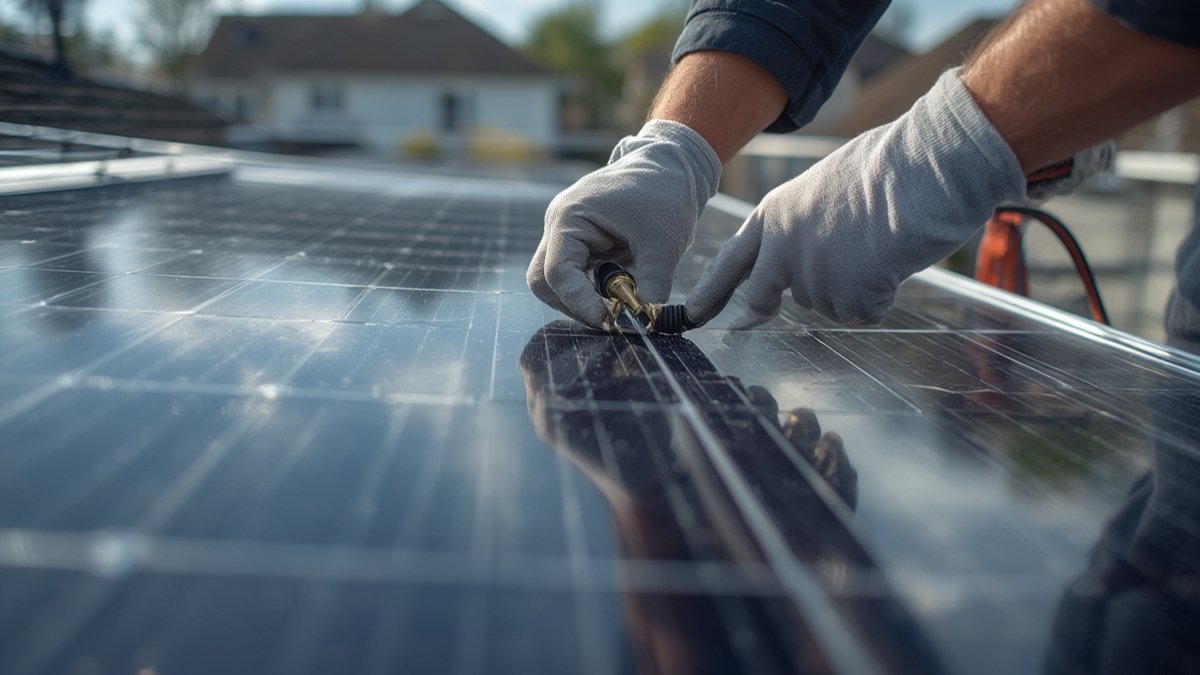
Durability claims matter too. Panels like the REC 460 Alpha Pure-RX warrant just 0.25% annual degradation, keeping 92% of their output after 25 years—a number mirrored only by the most expensive “forever warranty” lines like Maxeon 7 [source]. If you plan to stay put, this stat will save you real dollars long after flashy advertising is forgotten.
One often missed point from real buyer reviews: budget/big box panels frequently see output drop-off or failure right after warranty ends. Stick with 21%+ efficiency panels and brands offering at least a 25-year output promise to avoid a mid-life replacement.
If you’re planning whole-home backup, see our guide to home battery backup systems for the best pairings with grid-tied and hybrid solar installs—many top brands now certify specific panels for battery and generator integration.
The Best Solar Panels for Home vs Alternatives: Honest Comparison
Here’s a direct head-to-head between three of the hardest-hitting “best solar panels for home” brands in 2026: REC, Aiko Solar, and JinkoSolar—so you can separate slick marketing from what genuinely works for most U.S. roofs.
| Product Name | Price Range (Est.) | Key Spec | Best For | Weakness |
|---|---|---|---|---|
| REC 460 Alpha Pure-RX | $350–$425/panel | 22.1% eff., −0.24%/°C temp. coef., 0.25%/yr degradation | Hot climates, warranty-sensitive buyers, standard roofs | Lower panel wattage than the absolute leaders, not the peak for tiny roof areas |
| Aiko Solar Neostar | $450–$500/panel | 25.2% efficiency, record-setting STC rating | Small roofs needing every watt, tech showpiece installs | Price premium often outweighs real-world gain for homes with average sun |
| JinkoSolar Tiger Neo 3.0 | $330–$385/panel | 24.8% efficiency, top 5 performance, best ROI rank | Budget-conscious, large installs, solid all-climate option | Slightly shorter warranty, temperature coefficient merely “good” not best-in-class |
The REC 460 Alpha Pure-RX is the right answer for homeowners in sun-baked locations or anyone prioritizing warranty-backed output. Aiko Solar Neostar appeals if you have limited roof space or simply want the most technologically advanced panel—at a cost.
The JinkoSolar Tiger Neo 3.0 strikes the sweet spot for most buyers, offering class-leading efficiency at a lower cost, with real-world performance within a whisker of the leaders [source].
Honest downside: None of these panels are budget or DIY-friendly for off-grid builds. If you’re putting panels on a shed, cabin, or plan frequent moves, you’re better off reading our latest guide to portable solar generator and power stations or off-grid solar kits.

Maxeon 7 Series is a worthy mention for “forever home” buyers—its 40-year warranty is unbeaten, but you’ll pay for that insurance. Many buyers find the return on JinkoSolar or TOPCon’s more affordable panels better, especially when pairing with upgrades like whole home battery backup.
Who Should Buy and Who Should Not
- Buy if your roof bakes above 90°F and you want proven summer output—especially with REC or Silfab panels’ superior temperature specs.
- Buy if you value a 25-year (or longer) warranty on both power output and workmanship—critical for long-term value in the best solar panels for home category.
- Buy if your space is limited and you need 460–500W panels to reach your target kilowatt (kW) system size.
- Skip if you’re looking for solar you can install and move—a dedicated portable solar generator works better for RV, camping, or backup use; see the best solar generators for home and outdoor picks.
- Skip if you plan to go fully off-grid; most top-rated home panels are not optimized for easy battery or microinverter-only setups—see our complete off-grid solar kit guide.
- Skip if you’re re-roofing soon or expect to move within 5 years—wait until the new roof is finished to avoid double the labor cost.
If you want the best solar panels for home in 2026 and plan to stay put, tier-one brands like REC, JinkoSolar, and Aiko Solar deliver proven, bankable value and warranty—no gimmicks required.
Conclusion
The process of picking the best solar panels for home isn’t just about headline efficiency or glossy sales charts; it’s about understanding which panels perform in your actual climate, last for the warranty period, and deliver the savings you’re promised.
Across the board, REC 460 Alpha Pure-RX, Aiko Solar Neostar, and JinkoSolar Tiger Neo 3.0 each lead their segment—from best-in-class hot weather output to ultimate efficiency or pure ROI.
Skip budget panels below 21% efficiency—their early drop-off and weaker warranty support rarely justifies the price difference in the “best solar panels for home” race. If you match the right panel to your attic temperature, snow load, and payback period, you’ll end up with a system you brag about for decades, not regret after warranty headaches.
Ready to install the best solar panels for home and make your roof a true asset? The best choice isn’t always the one with the loudest advertising—it’s the one whose numbers and engineering match your home, your climate, and your long-term plans.
Ready to decide?
Check the current price and availability
on Amazon before you buy.
FAQ
Is highest efficiency always the most important factor in choosing the best solar panels for home?
No—while 24–25% efficiency sounds fantastic, temperature coefficient and warranty-backed degradation rates often impact your real kWh output just as much. In hot climates, a lower temp coefficient like REC Alpha Pure-RX’s −0.24%/°C can outperform higher-watt models.
How important is the warranty and what’s the minimum to accept for the best solar panels for home?
Absolutely critical. Top brands offer 25–40 years of output and workmanship warranty. Anything less than 25 years on output—or with lots of fine print about installer certification—deserves a closer look.
Can I use these panels for off-grid or portable uses?
For true off-grid or portable setups, most home panels are suboptimal—they’re designed for grid-tied arrays. Use a purpose-built off-grid kit instead; see our best off-grid solar kits for panel/battery combos that work anywhere.
What’s the most frequently reported downside or complaint for the top brands?
The most consistent pattern: Budget panel buyers (sub-21% efficiency) see steeper output drop-off after 4–6 years and slow or denied warranty service. Stick to tier-one brands to avoid this pain point.
Do I need to worry about installation and code compliance for the best solar panels for home?
Absolutely—each city and state may have unique electrical and structural code requirements. Always use certified installers, especially to activate long warranties like REC’s ProTrust. Ask up front about local permit and installation and code compliance details.