 VettedHomeGear.com

Best Whole Home Generator Review 2026: Honest Verdict?

Best whole home generator buyers want certainty: will a Generac or Kohler standby system actually deliver seamless power through the next storm, without the sticker shock and mystery upsells? Most guides only skim the surface with basic sizing charts and ignore the realities of installation, total five-year cost, and what actually goes wrong in real homes.
Here, you’ll get the data missing from most “top 5” lists—including real owner patterns and what can eat up your generator budget after the invoice is paid.
If you’re overwhelmed by technical talk, don’t worry. You’ll leave knowing what the best whole home generator models (specifically Generac and Kohler around 20kW) really cost by region, what sizing mistakes people regret, and the honest pros/cons of each system—so you get exactly the backup your house needs, not what’s trending on listicles.
Whether you’re upgrading from portable batteries, live in an outage-prone climate, or planning a new construction, this is the expert, hands-on advice I wish someone had given me before I chose a 22kW Generac for my own family.
Key Takeaways
- Generac 20-22kW natural gas standby generators average $10,000–$14,000 fully installed, beating Kohler models on price by $2,000–$3,000—but Kohler runs quieter in real world tests (source).
- Common homeowner regrets include oversizing based on square footage instead of real load needs—leading to wasted cash and code headaches (source).
- Expect five-year ownership costs to run 20-50% higher than the install price—fuel and annual maintenance add up fast with long outages, especially in severe weather regions.
- What Is Generac Guardian 22kW and Who Is It Really For?
- Real-World Performance: Runtime, Fuel Costs, and Safety Requirements
- Generac vs Kohler vs Battery Backup: Honest Comparison
- Who Should Buy and Who Should Not
- Conclusion
- FAQ
What Is Generac Guardian 22kW and Who Is It Really For?
The Generac Guardian 22kW (Model 7043) is a permanently installed, natural gas-powered whole home generator designed to automatically take over your home’s electrical load during a blackout or utility outage.
With a rated output of 22,000 watts (NG), it’s sized specifically to cover full power needs for homes up to 3,000 square feet—including central AC, refrigerators, well pumps, and most large appliances.
This is not just a beefed-up portable; the Generac Guardian is hardwired to your main panel and connected to your home’s natural gas line—eliminating refueling hassles and enabling full-house automatic backup that kicks in seconds after an outage.
The main buyers? Families in outage-prone suburbs or rural areas who want “invisible” whole home protection, especially if you have medical devices, work-from-home needs, or live where storms routinely knock out power for hours or days.
The defining spec: the Guardian 22kW model delivers up to 22,000 watts, enough for a 3,000 sq. ft. modern home with all essentials plus HVAC—but sizing must match real-world loads, not just your home size. Too many guides skip this critical step, leaving you overpaying for unneeded capacity.
Real-World Performance: Runtime, Fuel Costs, and Safety Requirements
Let’s get honest—most “best whole home generator” roundups gloss over backup runtime and gas costs. In practice, a Generac 20-22kW unit running on natural gas will burn about 289 cubic feet per hour at full load (source).
That’s roughly $3.60 per hour at national average gas rates, or about $85/day if running around the clock. Owners in hurricane zones report fuel bills quickly outpacing annual maintenance if back-to-back multi-day outages hit.
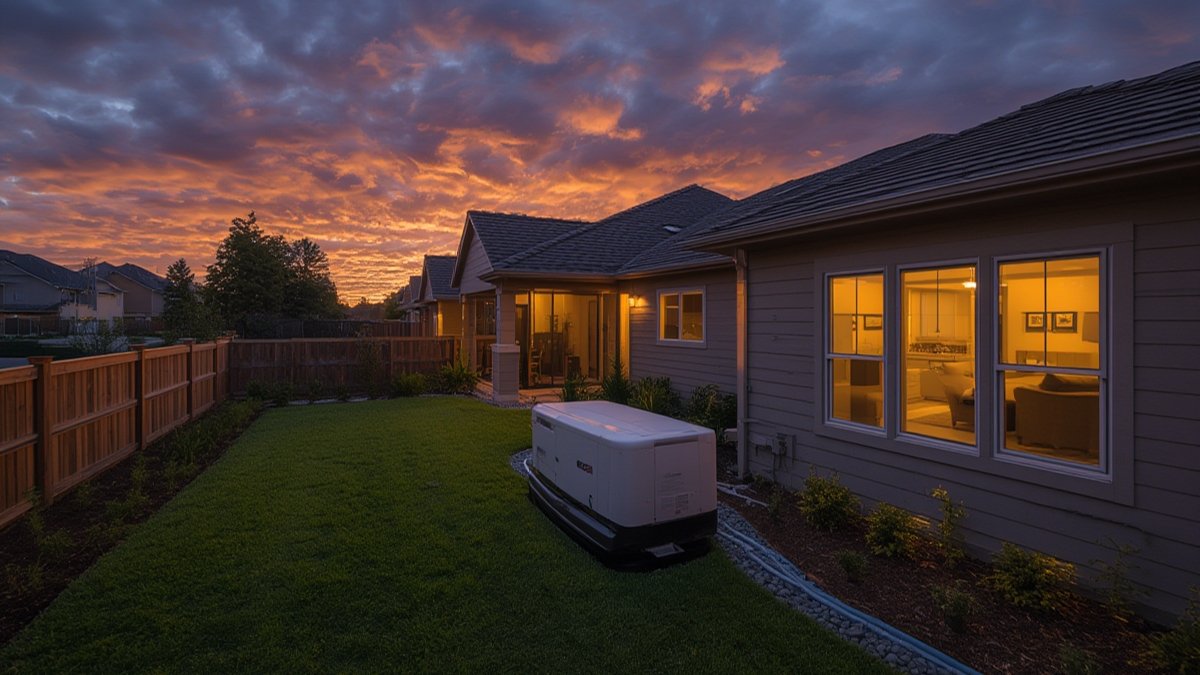
Another overlooked factor: installation location and legal clearances. Natural gas whole-house generators must be placed at least 5 feet from windows, doors, and ventilation intakes—per NFPA-37 and local code—even if many retailers don’t mention this detail. Too close, and you risk fire code violations or CO exposure failures on inspection.
Generac’s current models feature WiFi-enabled monitoring (via Mobile Link) for real-time alerts and maintenance scheduling, a convenience previously unique to the Kohler premium lineup. But, according to verified buyers, the feature only works reliably when your home WiFi stays powered—an easy oversight during extended outages unless you pair with a home battery backup system (read our full home battery backup guide for smarter combos).
Pro Tip: Never size your generator strictly by square footage. Always tally up running and starting wattages for every major load—central air, fridge, sump pumps, even a potential electric car charger—before deciding between 18kW, 20kW, or 22kW. Save $2,000–$4,000 by getting an electrician’s load audit first!
Hacks and Tricks: If generator noise is a dealbreaker, position your install near a garage wall and away from common living spaces—sound drops off fast with each foot of distance, and most local codes give you placement flexibility if setback minimums are met.
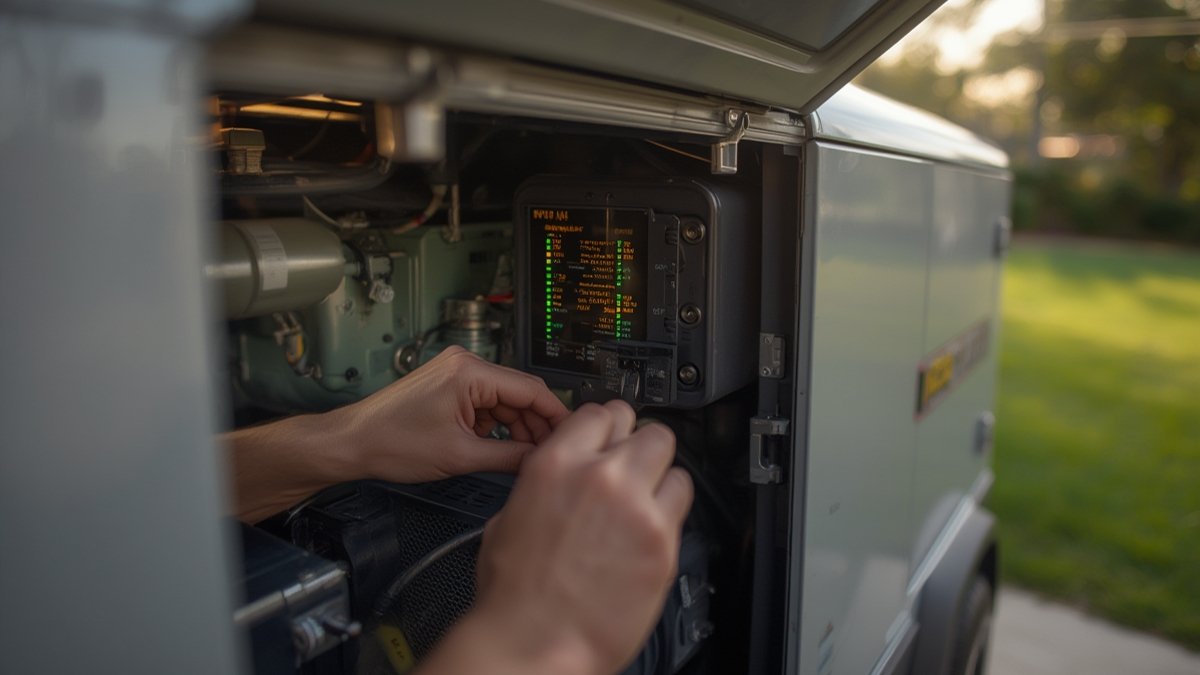
Remember, both Generac and Kohler require annual professional service—budget about $300 per year on top of install. Over five years, you’ll spend 20–50% more than initial purchase once you factor in fuel for real-world outages and scheduled tune-ups (source).
For a technical safety net, refer to the latest generator cost and code guide before pulling the trigger.
If you’re leaning toward a solar alternative for truly silent backup, check our expert picks for the best home battery backup systems and best solar generators for home backup—especially if gas lines are costly to run at your property.
Generac vs Kohler vs Battery Backup: Honest Comparison
| Product Name | Price Range Installed | Key Spec | Best For | Weakness |
|---|---|---|---|---|
| Generac Guardian 22kW | $10,000–$14,000 | 22,000W / WiFi / 5yr warranty | Budget whole home NG backup | Louder than Kohler; some WiFi reliability complaints if no backup power to router |
| Kohler 20kW RESC | $11,000–$15,000 | 20,000W / Quiet-Run / 5yr warranty | Noise-sensitive homes; premium build | Higher initial cost; less installer coverage nationally |
| Tesla Powerwall 3 (Battery Backup) | $13,000–$18,000 installed | 13.5kWh per unit / 10yr warranty | Short, silent outages; solar tie-in; no fuel cost | Can’t power large HVAC without multiple units—real world backup time <3 days at full load |
Choose Generac 22kW if up-front price, easy service access, and a mainstream warranty are your priorities. Opt for Kohler if quiet operation is mission critical or you want the absolute lowest risk of noise complaints near property lines—even if install cost runs higher.
If you need backup for medical devices, Tesla Powerwall (or other whole home battery backup) can bridge short utility flickers silently, but you’ll need multiple units to match standby generator runtime or to run central AC.
One honest limitation: Kohler and Generac both require annual maintenance by a dealer, which real buyers admit is easy to skip—or can be pricey if you move far from authorized service.
Skipping this, however, voids warranty claims for many key repairs. If you want a “set it and forget it” power option with zero scheduled maintenance, see if your home is a fit for a modern whole home battery backup instead.

Who Should Buy and Who Should Not
- Buy this if you want hands-off automatic protection from outages longer than 24 hours, especially in severe storm areas
- Buy this if you work from home, have a medical device, or need central AC during power loss
- Buy this if natural gas is already on-site and install setbacks (5 ft+ from windows) fit your property layout
- Skip this if you rent or have strict HOA rules against outdoor standby installs
- Skip this if your main concern is silent, indoor-friendly backup—battery systems win here
- Skip this if your utility outages rarely last beyond 2-3 hours—portable backup may suffice
If you value long-duration, set-and-forget protection, the best whole home generator for you is a 20-22kW natural gas-powered standby—just be sure your real loads match your generator choice for both code and budget.
Conclusion
Choosing the best whole home generator is about more than finding the highest wattage for your square footage. Generac’s 22kW Guardian delivers reliable, automatic whole house power for $10,000–$14,000 installed, but buyers should plan for long-term maintenance and fuel costs—with Kohler offering a quieter, albeit pricier, premium alternative.
Use a professional load audit—not online sizing tables—to dial in your actual home backup needs. If pure silence or off-grid independence is your top priority, whole home battery backup or a hybrid solar generator may be a smarter fit. Always think five years ahead: the real cost (and comfort) extends well beyond the initial install of your best whole home generator.
Ready to decide?
Check the current price and availability
on Amazon before you buy.
FAQ
How much does a whole home generator cost to install in 2025?
The average all-in cost for a 20-22kW natural gas standby generator (like Generac Guardian) is $10,000–$15,000, including unit and professional installation. Location, brand, and distance from utilities can shift costs by several thousand dollars. (source)
Is Generac the best whole home generator for every house?
Generac is the most popular pick due to value and national service, but not always the best for noise-sensitive installs or where homeowner associations limit outdoor equipment. Kohler wins on quiet operation but carries a higher price tag.
What’s a real owner complaint with Generac or Kohler generators?
Some Generac buyers report WiFi monitoring fails during outages if their router isn’t protected by a UPS battery backup. Both Generac and Kohler require annual maintenance; missing service can void your warranty, according to verified user reports.
Is battery backup better than a whole home generator?
Battery backup (Powerwall, EcoFlow) is silent, requires no fuel, and can be solar-recharged, but rarely powers AC or major appliances for more than 24-48 hours unless you invest in multiple units. For outages that last days, standby generators outperform batteries in most regions. See our whole home battery guide for a deep dive.
How do I make sure I don’t oversize or undersize my generator?
Do not rely on rough square footage charts! A licensed electrician should perform a true load audit, calculating running and surge wattages for all major loads—including future EV chargers. This prevents overspending or lacking critical backup power.