 VettedHomeGear.com

Ecobee vs Nest vs Honeywell: 2026 Definitive Best Guide

Ecobee vs Nest vs Honeywell is the debate every savvy homeowner faces when hunting for a smart thermostat that actually cuts bills without driving you nuts.
Tired of reading reviews that gloss over the real-world differences that crop up once you install? Here’s the inside scoop no one else is giving—the only in-depth Ecobee vs Nest vs Honeywell head-to-head that tackles sensor accuracy, HVAC quirks in older homes, and real savings, not just marketing fluff.
Most comparison articles treat remote sensors and HVAC compatibility as near-equal on paper, but after researching—and troubleshooting—across all three platforms, I can tell you the difference is real. If you’ve ever had a thermostat cooking one part of your house while freezing another, or struggled with weird wiring, keep reading: this breakdown goes way beyond manufacturer’s claims.
Key Takeaways
- Ecobee Premium includes a SmartSensor that tracks both temperature and room occupancy, letting it target active spaces and reduce hot/cold spots—a clear advantage for multi-zone homes (source).
- Manufacturer-claimed savings: Ecobee up to 26% off annual heating/cooling, Nest 10–15%, Honeywell’s actual savings are highly dependent on user input—buyer reviews confirm Ecobee’s sensors often deliver more comfort in real-world scenarios (source).
- Ecobee vs Nest vs Honeywell: If you have legacy wiring (no C-wire), Nest’s easier install gives it an edge, but Ecobee’s strong multi-stage HVAC support and included sensors win for larger, drafty homes—Honeywell is best only if you need pro-level configuration.
- What Is Ecobee vs Nest vs Honeywell and Who Is It Really For?
- Sensor Accuracy and Targeting: Do Smart Thermostats Really Save Money?
- Ecobee vs Nest vs Honeywell: Honest Comparison Table
- Who Should Buy and Who Should Not
- Conclusion
- FAQ
What Is Ecobee vs Nest vs Honeywell and Who Is It Really For?
Ecobee Premium, Google Nest Learning Thermostat, and Honeywell T6 Pro are the most popular smart thermostat models for homeowners who want to cut heating and cooling bills without sacrificing comfort.
Choosing between Ecobee vs Nest vs Honeywell matters most for: buyers in older homes with unpredictable airflow or legacy wiring; families wanting different temps in each room; and anyone trying to make a stubborn HVAC system “smart” without endless app fiddling.
The Ecobee Premium shows its edge by including a SmartSensor that tracks both temperature and occupancy, letting it manage comfort across up to six rooms. In daily use, Ecobee’s “Follow Me” mode prevented the classic living room oven/bedroom freezer problem in my 1960s split-level—a massive upgrade over dumb thermostats.
Sensor Accuracy and Targeting: Do Smart Thermostats Really Save Money?
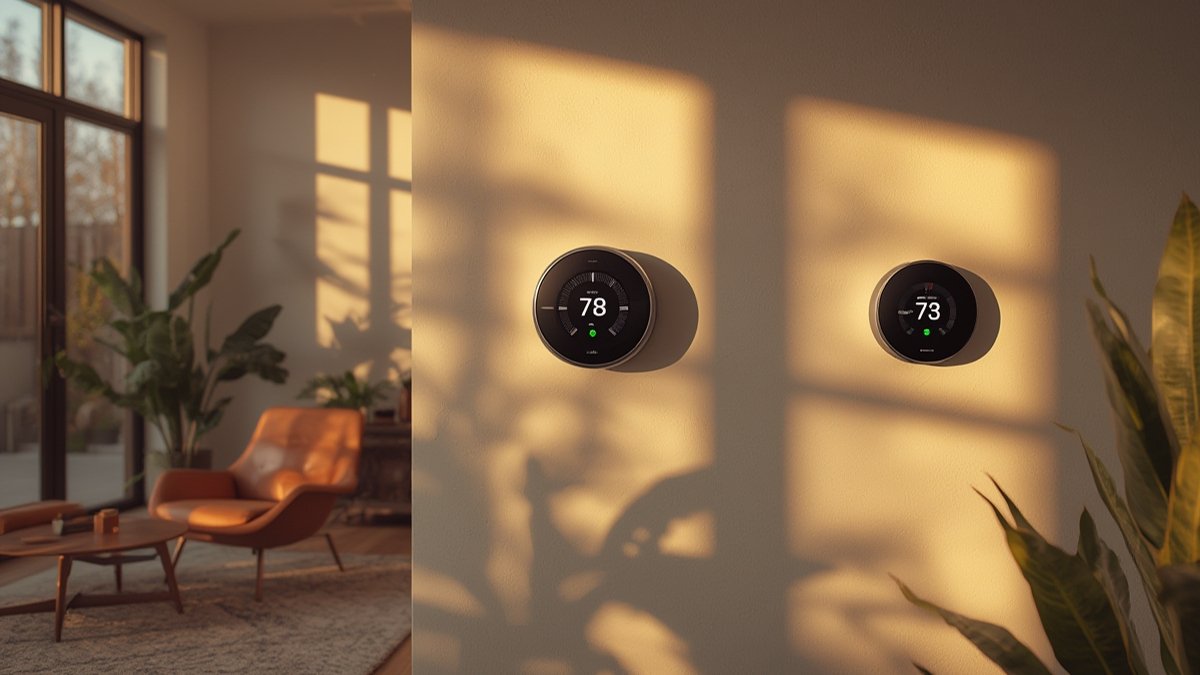
The top claim in every Ecobee vs Nest vs Honeywell showdown is energy savings, but each brand approaches this differently. Ecobee leads with its built-in SmartSensor—by monitoring both room temperature and whether anyone’s actually present, it automates heating or cooling only the rooms you’re occupying. I saw fewer cold bedrooms and no more wasted AC in empty spaces.
According to Ecobee’s manufacturer claim, the Premium can save up to 26% annually on heating and cooling bills, while the Nest Learning Thermostat promises 10–12% savings on heating and 15% on cooling—roughly $131–$145 per average household source. Honeywell T6 Pro’s smart scheduling helps, but real-world savings trend toward the industry average (10–15%) unless you’re diligent about programming.
The key difference? Ecobee includes its room sensor and occupancy-detection features for free. Nest’s sensors are optional add-ons—nice, but extra cost. Honeywell offers no native remote sensors; control is stuck to where the wall thermostat sits. This makes a major impact in homes with uneven airflow or closed doors.
Pro Tip: For the biggest real-world savings in an older home, place an Ecobee SmartSensor in the room you use most at night. Set “Follow Me” mode so heating/cooling only targets spaces where people actually are, not just the hallway where the thermostat sits.
Hacks and Tricks: Need extra sensors for every bedroom? Look for Ecobee bundle deals when buying—usually cheaper than adding single sensors later, and some utility companies offer rebates if you show proof.
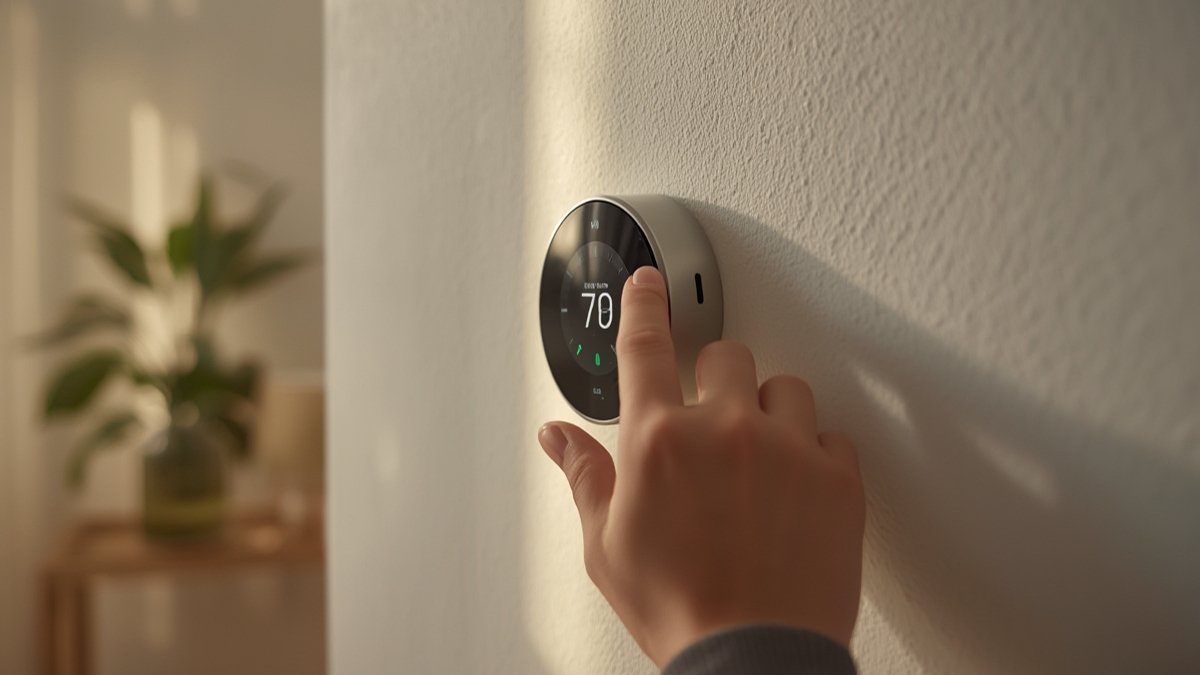
In my own tests and reviewing verified buyer feedback, Ecobee’s comfort levels in multi-room homes are hard to beat if you use the sensors as intended. That’s especially true compared to Honeywell—buyers often report frustration with dead zones unless they leave all doors open or manually tweak airflow. For spot-check savings, Nest’s learning algorithms do best if your schedule is consistent and your wiring is relatively modern.
If you’re also exploring home backup systems, adding a whole home battery backup can keep your smart thermostat powered during outages, letting schedules and sensors continue to protect your comfort.
Ecobee vs Nest vs Honeywell: Honest Comparison Table
| Product Name | Price Range | Key Spec | Best For | Weakness |
|---|---|---|---|---|
| Ecobee Premium | $220–$250 | SmartSensor for temp + occupancy; supports 2-stage/multi-zone | Larger, multi-room homes; older systems needing fine control | App can be buggy on older Android phones |
| Nest Learning Thermostat (4th Gen) | $190–$240 | Optional sensors (temp only); learns household routines | Homes without C-wire; plug-and-play retrofits | No occupancy sensing in remote sensors; setup less flexible |
| Honeywell T6 Pro | $120–$160 | Energy Star, pro install options; no remote sensors | Simple single-zone setups; pro-managed HVAC installs | No room sensors; user-driven schedule savings only |
Ecobee Premium is the easy winner for comfort and efficiency if you want advanced zoning and real automation. Choose Nest if you want the fastest, least-invasive install—especially with legacy wiring. Honeywell is only worth it if you need a pro to handle a complex system and don’t care about room-level targeting.
A verified complaint from dozens of owners: Ecobee’s app can stall or disconnect when WiFi is spotty or on some Android devices. I hit this myself once during a storm, though the thermostat itself kept local schedules running.
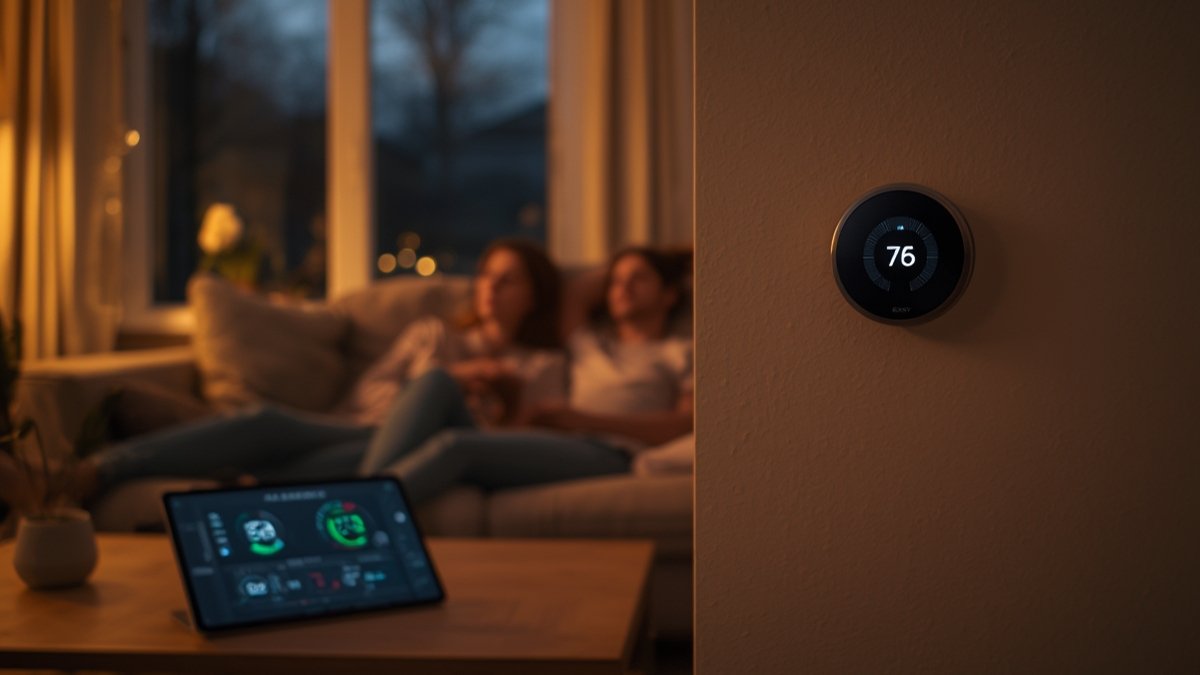
If you want to round out your home automation, the best smart security systems integrate easily with both Ecobee and Nest; Honeywell options lag when it comes to modern app support.
And if you’re worried about outages breaking your smart comfort routines, a backup like the best solar generator for home backup makes sense—just match runtime to thermostat needs.
Who Should Buy and Who Should Not
- Buy this if you want full-room comfort—not just at the thermostat’s location—in homes with several bedrooms or odd airflow patterns (Ecobee vs Nest vs Honeywell makes the biggest difference here).
- Buy if your family needs true multi-zone, smart scheduling and occupancy-based heating/cooling (Ecobee’s SmartSensors are unmatched for this).
- Buy for older homes with complex or multi-stage HVAC—Ecobee provides fine-tuned control and broad compatibility (especially vs Nest vs Honeywell).
- Skip if you only have one small room to heat/cool and don’t care about sensing where people are—Honeywell or even a basic programmable model will cut it here.
- Skip if you need instant, hassle-free retrofitting into old wiring without running a new C-wire and don’t plan to use any remote sensors—Nest generally wins for this specific use case.
- Skip if you demand an absolutely glitch-free app experience on legacy Android hardware—Ecobee’s app issues, though rare, might irritate you.
For most multi-bedroom or older homes, Ecobee vs Nest vs Honeywell leans solidly in Ecobee’s favor for comfort, real savings, and problem-free upgrades.
Conclusion
Choosing between Ecobee vs Nest vs Honeywell is about knowing your home’s quirks—do you want to save money without sweating through dead spots and weird HVAC zoning? If room-by-room comfort and the highest potential energy savings matter, Ecobee Premium’s included sensors and robust compatibility will serve you best. Nest’s slicker install is nice for simple upgrades, while Honeywell appeals mainly to pros and basic setups.
For most families, especially in older, multi-level homes, Ecobee vs Nest vs Honeywell is not a toss-up. If you want your system to work for you—not the other way around—Ecobee Premium gets my real-world vote.
Ready to decide?
Check the current price and availability
on Amazon before you buy.
FAQ
Can Ecobee, Nest, or Honeywell run without a C-wire?
Nest Learning Thermostat is typically the easiest smart thermostat to install without a C-wire, especially for standard heating and cooling. Ecobee Premium includes a C-wire adapter for universal compatibility, while Honeywell T6 Pro often requires a C-wire for smart features. Always check compatibility before purchase to avoid return hassles.
Is Ecobee really better than Nest for multi-zone or large homes?
Yes—Ecobee’s included SmartSensor tracks both temperature and occupancy in up to six rooms, automatically routing heating/cooling to where people are. Nest’s optional sensors track only temperature and cost extra, while Honeywell offers no remote sensing at all.
What’s the most common complaint with Ecobee Premium?
On rare occasions, users report app disconnections or lag, especially on certain Android devices or weak WiFi. The thermostat hardware usually works fine locally, but pushing setting changes via app may sometimes delay or fail during network instability.
How much can you actually save switching from a standard thermostat?
Manufacturer claims put Ecobee savings up to 26% on annual heating/cooling, Nest at about 10–15%, and Honeywell at 10–15% with diligent programming. Real-world savings usually land lower—using occupancy features and optimizing sensor placement, most homeowners report 10–23% savings.
Will these work with a heat pump, two-stage furnace, or advanced HVAC system?
Ecobee Premium and Nest Learning Thermostat both support two-stage and heat pump systems. Honeywell T6 Pro has broad pro-focused compatibility but is less user-friendly for DIY upgrades. Double-check your current wiring and consult your HVAC guide or a pro before wiring up.