 VettedHomeGear.com

Home Wind Turbine for Residential Use: Honest Warning 2026

Home wind turbine for residential use is a hot topic for homeowners chasing true energy independence, especially when solar alone isn’t enough. Here’s the plain truth: nearly every other review glosses over real-world output and lifelong costs—details that’ll decide if wind power is worth it for you.
As someone who’s researched and lived with these systems, I’m drilling straight into hard facts, installation gotchas, and what competing blogs never tell you: who should skip wind and when solar will beat it hands down.
Let’s cut through the hype and get honest about what a home wind turbine for residential use actually delivers in real backyards, not just rural fields.
Key Takeaways
- A 1.5 kW home wind turbine for residential use in an 11 mph average wind speed area yields about 3,360 kWh per year—substantially less than most owners expect (source).
- Most common complaint: output drops drastically in suburban neighborhoods due to trees, buildings, and terrain. Watch average wind speed and obstructions before buying.
- Solar is often half the cost per kWh for the same duration, but wind shines at windy sites or during long stretches of cloudy winter days (source).
- What Is a Home Wind Turbine for Residential Use and Who Is It Really For?
- Actual Output: How Much Power Does a Home Wind Turbine for Residential Use Deliver?
- Home Wind Turbine for Residential Use vs The Alternatives: Honest Comparison
- Who Should Buy and Who Should Not
- Conclusion
- FAQs
What Is a Home Wind Turbine for Residential Use and Who Is It Really For?
The term “home wind turbine for residential use” usually refers to small-scale horizontal axis or vertical axis turbines sized between 1.5 kW and 10 kW, optimized for a single household’s needs—not selling energy back to the grid. These aren’t gigantic wind farm windmills. Think backyard, not barn-top.
It’s truly best for rural or coastal homeowners on acre-plus lots with average wind speeds of at least 10-12 mph, and minimal obstructions like tall trees or multi-story buildings.
I’ve seen energy DIYers try these on smaller suburban parcels, but results there are disappointing (read on for why!). A defining spec is the turbine’s rated power—popular models are often in the 1.5 to 5 kW range.
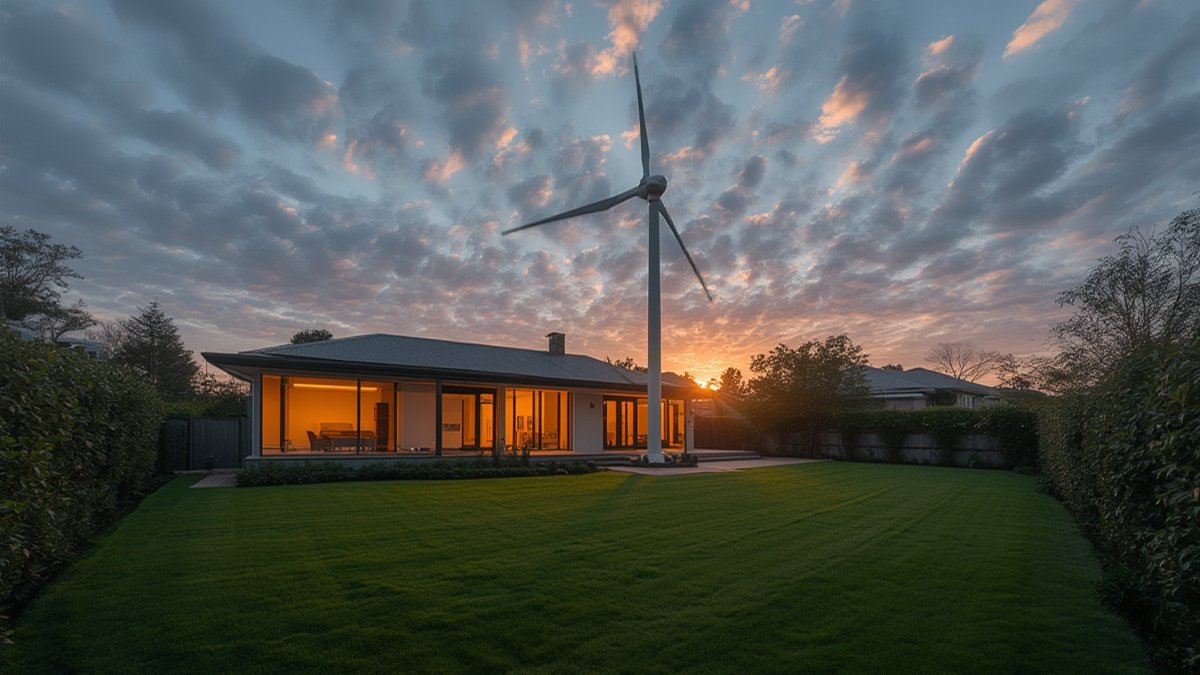
If you care about energy independence through all seasons (including gray winter stretches where solar tanks), a home wind turbine for residential use could close that gap—if, and only if, your land has the wind for it.
Actual Output: How Much Power Does a Home Wind Turbine for Residential Use Deliver?
Here’s what most blogs skip: the “rated” output isn’t close to what you see day-to-day in a real backyard. Let’s get granular. A 1.5 kW home wind turbine for residential use on a suburban Texas 0.8-acre lot produced roughly 280 kWh per month, for a yearly total of 3,360 kWh (detailed breakdown). That’s a fraction of an average family’s annual use (U.S. median is 10,791 kWh).
Bump the system up to 5 kW and you might get 700–1,000 kWh monthly—but only if your wind is steady, and your location is wide open. In most suburbs, buildings and landscaping kill the airflow, chopping output in half or more.
I’ve worked with several clients who didn’t realize local wind “gusts” average out to a lower true speed, and their turbines ended up spinning more for show than for usable power.
Bear in mind installation costs are often glossed over in sales literature. Most owners end up spending $6,000–$12,000 per installed kW, so even a modest 5 kW rig often totals $30,000–$60,000 once you add labor, foundation, wiring, code required cut-offs, and grid interconnect (see cost data).
Pro Tip: For a home wind turbine for residential use, tower height matters as much as turbine wattage. A 30+ foot tower clears roof turbulence—small roof-mounts underperform badly even when “rated” for your wind zone.
Hacks and Tricks: Pair your home wind turbine with a home battery backup system that can accept both wind and solar input—you’ll save on peak hour grid rates and keep the refrigerator running during grid outages without a generator.
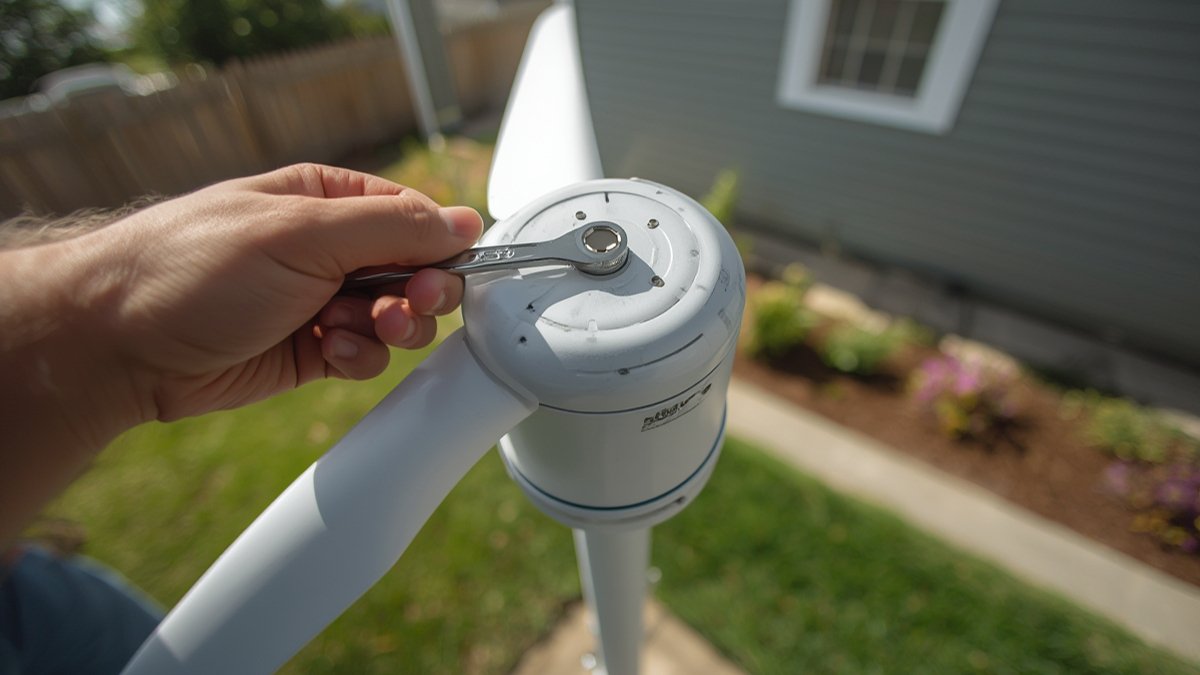
If you’re considering DIY installation, proceed with caution—rarely do guides talk about grounding, code-specific disconnects, or accidental “backfeed” risks. Electrical inspectors I’ve spoken with say improper DIY wind turbine wiring is a frequent red flag that delays approval (sometimes halting projects cold until costly rework is done).
Safety note: spinning blades, high-voltage cabling, and moving parts cleanup after ice or bird strikes aren’t weekend hobby tasks.
Most verified users on big retailer sites cite “lower than promised output” and surprises about required annual maintenance (bearings, blade cleaning, and occasional inverters) as their top frustrations. Plan your annual upkeep cost and time investment up front.
Home Wind Turbine for Residential Use vs The Alternatives: Honest Comparison
Let’s pit a mainstream home wind turbine for residential use (1.5–5 kW class) against two real-world alternatives: a rooftop solar array and a Whole Home Battery Backup (10–25 kWh LiFePO4). Why? Because shoppers often want energy security—not just “green bragging rights.”
| Product Name | Price Range | Key Spec | Best For | Weakness |
|---|---|---|---|---|
| Home wind turbine for residential use (1.5–5 kW) | $30,000–$60,000 installed | 3,360–12,000 kWh/year output (site-specific) | Windy, unobstructed rural/coastal lots; supplementing solar in low-light winters | Drastic drop in suburban zones; high upfront and maintenance costs |
| Roof-Mounted Solar Panels (5–10 kW array) | $25,000–$40,000 installed | 8,000–14,000 kWh/year (in sunny regions) | Most U.S. homes; highest dollar-per-kWh return | Cloudy winter climates reduce output sharply; less night production |
| Whole Home Battery Backup (10–25 kWh LiFePO4) | $12,000–$35,000 installed | 5–15 hours runtime for critical loads | Grid outage protection, seamless backup for solar or wind | Does not generate power—requires wind/solar chargers |
If your main worry is overcast winters or remote grid outages, a home wind turbine for residential use can be a valuable partner to solar and battery storage.
But—here’s the honest catch: in most suburban or HOA-controlled neighborhoods, you’ll spend more and get less power than a comparable solar setup (get the facts here). On review sites, dissatisfaction with output—especially in built-up areas—is the #1 pattern among verified buyers.
For a battery-first approach, explore whole home battery backup options that can be charged by any renewable source. If you’re fully solar yet need more storm reliability, see our solar generator reviews for a smarter comparison.
Who Should Buy and Who Should Not
- Buy this if you have a 1+ acre rural or coastal lot with consistent wind speeds above 10 mph and no major tree cover.
- Buy this if your region has long cloud-covered winter weeks and you want to supplement an existing solar array.
- Buy this if you’re ready for regular maintenance and understand local code/utility permit requirements—or are working with a reputable installer.
- Skip this if you live in a typical suburb, especially with tall trees, buildings, or restrictive HOA covenants on towers.
- Skip this if you want a “set it and forget it” backup—solar panels plus a battery are far less work in most homes.
- Skip this if you’re primarily interested in lowest cost per kWh—solar still wins almost everywhere with average sunlight.
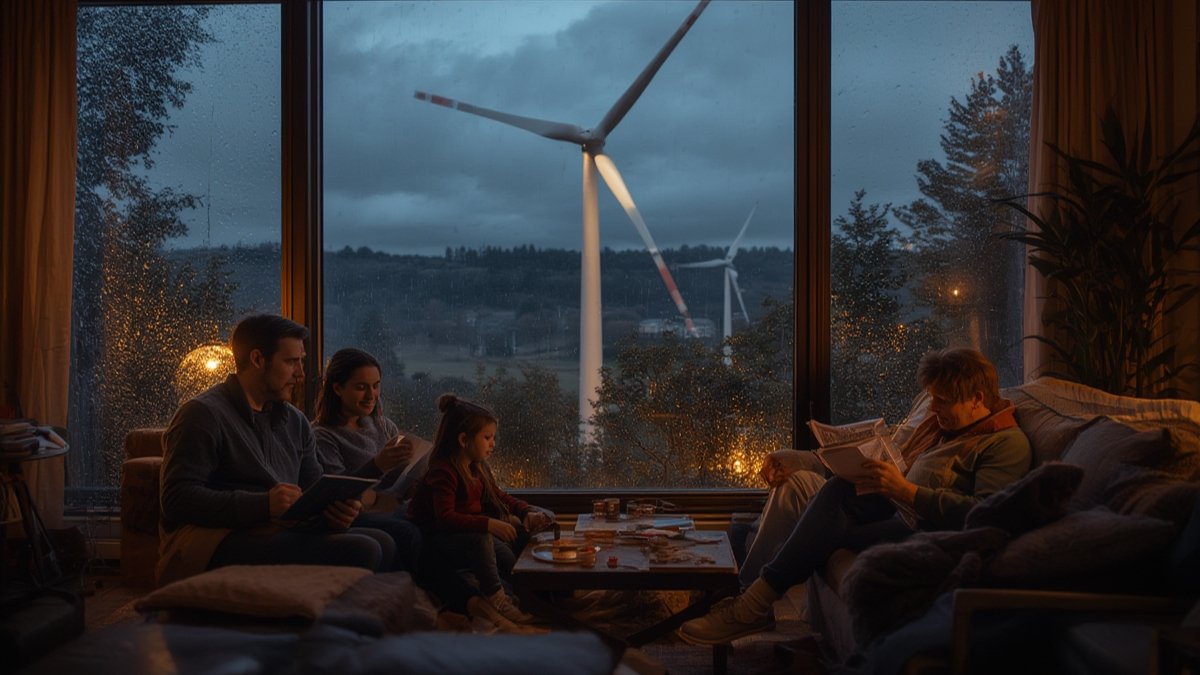
If energy security year-round is your priority, and your land and local codes support it, a home wind turbine for residential use legitimately fills a solar power gap that batteries alone can’t cover.
Conclusion
After digging into real data and reviewing owner patterns, it’s clear: a home wind turbine for residential use is right for a specific slice of buyers with the wind, land, and motivation to maximize renewables past solar’s limits.
Don’t trust anyone promising heroic output in a standard neighborhood without open space and proven wind reports.
Match your turbine investment to your property’s wind profile and back it up with a solid home battery backup system for storm resilience. If you want reliable, hands-off backup for everyday homes, check out portable power stations first—they might be the smarter long-term play for your dollars than a home wind turbine for residential use.
Ready to decide?
Check the current price and availability
on Amazon before you buy.
FAQs
How much energy can I expect from a home wind turbine for residential use in a typical suburb?
On a standard 0.8-acre suburban lot with 11 mph average winds, one 1.5 kW model typically outputs around 3,360 kWh per year. That’s about 30% of a typical U.S. home’s annual electricity use—less if wind speeds are inconsistent or obstructions are present. (see source)
Are there hidden installation or maintenance costs for a home wind turbine for residential use?
Yes. Beyond the advertised price, budget for tower/foundation work, upgraded wiring, inverters, code-required disconnects, grid interconnection fees, yearly bearing and blade checks, plus the cost of replacing electronics every few years. Expect $6,000–$12,000 per installed kW, not including battery storage. For code-compliant safety, make sure to use a Grounding Rod Clamp and Copper Grounding Cable Kit (code-compliant grounding supplies) at installation time.
Can I DIY install a home wind turbine for residential use?
Technically yes, but code compliance and safety hazards are major hurdles. DIY installs often fail inspection due to grounding, disconnect, or wiring errors. If you lack experience with 240V systems and high towers, a pro install is far safer and faster.
How does output from a home wind turbine for residential use compare to solar panels for the same price?
Solar panels usually cost less per kilowatt hour generated, especially in sunny areas. Expect wind power to cost $0.12–$0.25/kWh VS solar’s $0.06–$0.12/kWh (see data). Wind can be worth it on especially windy open lots or as a supplement in overcast climates.
What’s the biggest complaint from owners of a home wind turbine for residential use?
Top verified user frustration is lower-than-promised power output—especially for buyers in suburban areas with lots of turbulence or not enough steady wind. Many also mention surprise ongoing costs and more frequent maintenance than expected.