 VettedHomeGear.com

How to Choose The Best Home Battery Backup System in 2026

How to choose a home battery backup system is one of the single most important decisions for any homeowner facing outages. With big price tags, clashing technologies, and plenty of hidden frustrations, it’s vital to make every dollar count—and avoid costly mistakes that could leave your family in the dark when it matters most.
Key Takeaways
- Expect to pay $13,000–$30,000 for a typical installed home battery backup system in 2024, with lithium iron phosphate (LFP) models offering better long-term value despite higher initial cost.
- Capacity, chemistry, and integration are key—oversizing, skimping on solar compatibility, or underestimating install complexity are common and expensive pitfalls.
- Lack of clear, direct generator-vs-battery performance comparisons and detailed DIY vs. pro install data means buyers must dig deeper than most guides provide.
- What Is a Home Battery Backup System and Why Does Choosing the Right One Matter?
- Step-by-Step Guide to Choosing the Right Home Battery Backup System
- Advanced Analysis and Common Pitfalls
- Conclusion
- FAQ
What Is a Home Battery Backup System and Why Does Choosing the Right One Matter?
A home battery backup system stores energy—usually from the grid or your solar panels—so you can run essential appliances during outages. But not all systems are created equal. Picking the wrong size, chemistry, or integration can waste money or leave you unprotected in a blackout.
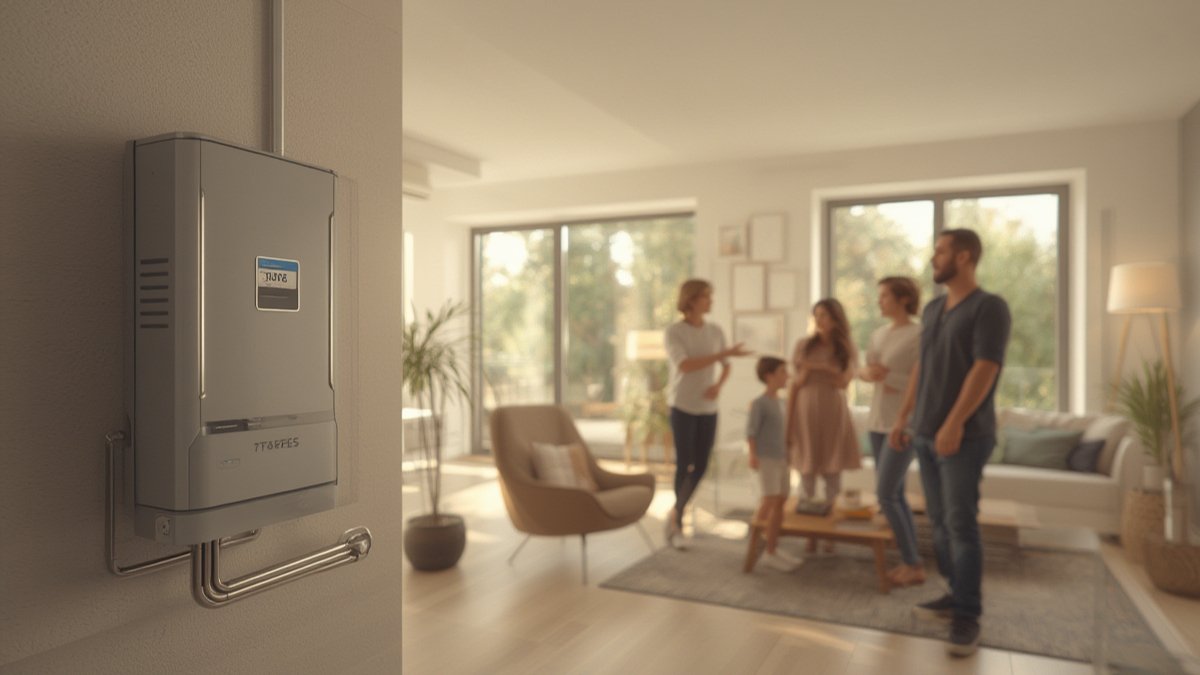
With options like lithium-ion, lithium iron phosphate (LFP), and lead-acid, plus costs from $10,000 to $30,000, even the basics are a minefield. Each chemistry impacts longevity, upfront cost, and maintenance—meaning that the “best” system depends on your needs, climate, and future plans.
Whole-home backup requires more capacity (think 15–30 kWh and up), while partial backup can be achieved with smaller modular units for key circuits and appliances. Because these decisions stick with you for a decade or longer, getting it right is much more than just price shopping.
For a detailed look at top-performing models, see our proven home battery backup systems guide—it breaks down everything from battery capacity to inverter choices for every type of home and need.
Step-by-Step Guide to Choosing the Right Home Battery Backup System
Follow these steps to make the right call and maximize your investment:
💡 Pro Tip: Always start with your realistic daily energy use, not just the biggest blackout you can imagine. Oversizing leads to major overspending.
🔥 Hacks & Tricks: Ask your electrician or installer for a subpanel approach—dedicating battery backup to priority circuits (like fridge, sump, lights, Wi-Fi) can cut both equipment and install costs by 40% over “whole home” installs.
- Calculate your daily and outage backup needs.
Most US homes use about 30 kWh per day (EcoFlow). Decide if you want to cover just essentials (typically 13–15 kWh) or everything (20–30+ kWh). Check recent electricity bills for your average usage. - Pick the right battery chemistry.
- Lithium-ion (standard): $1,000–$1,300/kWh. Good all-rounder but can have shorter lifespan/thermal risks.
- LFP (lithium iron phosphate): $1,100–$1,500/kWh. Higher upfront but lasts longer, deeper discharge, safer—often better lifetime value.
- Lead-acid: $200–$400/kWh. Cheap but won’t last, needs frequent replacing (~3–5 years), bulky, limited discharge.
- DIY lithium: As low as $75–107/kWh for tinkerers willing to build and risk limitations (DIY Solar Forum).
- Decide on solar integration and inverter needs.
Most modern systems work best when paired with solar. Make sure your battery is solar-ready (AC vs. DC coupling) and matches your inverter. For full off-grid support, LFP batteries are favored (SolarTechOnline). - Get installation quotes and factor in hidden costs.
Equipment is only half the total. Expect $2,000–$8,000 in labor (AES Renewables), plus $500–$2,000 in permits and unexpected panel rewires. - Compare top brands and models for your needs.
- Tesla Powerwall 3: $15,400 before incentives, compact and solar-ready. Watch out for higher upfront and thermal safety concerns (SolarReviews).
- LG ESS Home 8: $9,000–$12,000 installed. Reliable, brand reputation.
- Enphase IQ Battery 5P: $7,000–$9,000 (LFP). Great for smaller homes with long warranty—but slightly pricier per kWh.
- Franklin Home Power: $12,000–$15,000 (13.6kWh LFP). Robust, deep discharge.
- BLUETTI modular systems: $3,000–$5,000 for basic setups. Add on later as needs grow, excellent entry point.
For a comparison of other options—especially portable solutions or more budget-friendly units—check out our portable power station guide.
- Plan for lifespan and maintenance.
LFP batteries typically outlast lithium-ion and nearly all lead-acid cells; expect 10+ years vs. 3–7 for older tech.

Still not sure which type or model best fits your needs? Our best solar generators roundup covers portable systems suited to rentals, travel, or ultra-small homes.
Advanced Analysis and Common Pitfalls
Choosing a home battery backup system often reveals big problems once install begins. Here’s what most buyers and even top-ranking guides miss:
- Installation costs can double the total price. Many homeowners are shocked when $14,000 of equipment jumps to $28,000+ because of complex wiring, electrical rework, and permitting (AES Renewables).
- Underestimating energy needs—or oversizing. You might buy “whole home” backup but still run out in 6–8 hours if you run HVAC or EV charging. Many users neglect to prioritize just essentials, which stretches both run time and saves thousands.
- Not planning for maintenance, replacements, and climate effects. Lead-acid batteries degrade rapidly and need swapping every 3–5 years; lithium-ion cells lose performance in extreme cold or heat, and all types need regular monitoring for best results.
- Confusing “solar ready” with actual solar integration. Some well-known brands claim solar readiness but need extra inverters or controls, driving up cost and complexity.
- No apples-to-apples data comparing generators and batteries. Very few buyer’s guides actually give clear longevity, maintenance, or safety stats between battery and generator backup.
| Spec / Feature | Lithium Iron Phosphate (LFP) | Standard Lithium-Ion | Lead-Acid |
|---|---|---|---|
| Installed Cost per kWh | $1,100–$1,500 | $1,000–$1,300 | $200–$400 |
| Lifespan | 10–15 years | 7–12 years | 3–5 years |
| Depth of Discharge (DoD) | ~90% | ~80% | ~50% |
| Maintenance | Low | Low-moderate | High (frequent) |
| Solar Compatibility | Excellent | Good | Poor |
Choosing the best backup system for you also means understanding expandability. Modular systems (like BLUETTI modular systems or EcoFlow Delta Pro) let you start with essentials and build up over time. Some buyers may also consider pairing a battery with a generator for extra resilience; if that’s your plan, scrutinize transfer switches and ensure warranties cover hybrid setups.
If you want to stress-test options across sizes and budgets, our in-depth whole-home battery backup rankings compare brands side by side—including LiFePO4, classic lithium, and new hybrids.

Conclusion
Home battery backup systems are a major investment—one that’s easy to get wrong and hard to undo. By understanding your real energy needs, comparing chemistries, sizing carefully, and budgeting for true installed costs, you’ll dodge the most common mistakes and get the uptime you deserve.
No single system fits every home or budget. Think critically, prioritize essentials, and don’t be afraid to challenge sales pitches that gloss over the real-world downsides. If you want more details or direct brand/model comparisons, check out these proven home battery backup buying guides.
Ready to take the next step? Compare models, get quotes, and use this guide on how to choose a home battery backup system to make a choice you’ll never regret. Your lights—and your pocketbook—will thank you.
FAQ
How do I estimate the right battery backup size for my home?
Start by checking your recent utility bills for average daily kWh use. For essentials (fridge, lights, Wi-Fi), 13–15 kWh covers most homes for 24 hours. For whole-home, plan for at least 30 kWh per day. Use these numbers to choose battery size.
Is a lithium iron phosphate (LFP) battery worth the higher cost?
LFP batteries cost 10–20% more up front, but they last longer (10–15 years), safely handle deeper discharges, and require less maintenance than standard lithium-ion. Over a decade or more, most homeowners save money with LFP.
Can I install a home battery backup system myself?
DIY is possible, especially with modular systems, but it’s risky. Mistakes with electrical panels, permits, or fire codes can be dangerous—and sometimes void warranties. For most whole-home systems, professional install is recommended.
How do battery backups compare to generators for emergencies?
Batteries are silent, require less routine maintenance, and power instantly—but often cost much more upfront. Generators handle long outages but need fuel, regular testing, and sometimes manual start. No clear winner—look at your outage history, maintenance tolerance, and local climate.
What’s the best backup solution for small homes or apartments?
Compact modular systems like BLUETTI, Enphase 5P, or EcoFlow units suit small spaces and budgets. These can be paired with plugins or subpanels to power essentials only. See our Jackery Explorer review for a portable approach.