 VettedHomeGear.com

How to Plan a Modular Garage Storage System: 2026 Proven

How to plan a modular garage storage system is the single smartest move I made for getting every tool, bin, and bike out of the way—without the cost or frustration of built-in cabinetry. Most online guides ignore the real planning traps (especially for tricky or oddly shaped garages) and never share line-item costs until you’re deep into your budget.
Here, you’ll get a practical playbook from someone who’s mapped components, priced everything, tested fit, and lived with actual modular wall systems—plus upfront solutions for tough layouts, what pros don’t tell you, and hidden fees you’ll wish you’d known at day one.
Get the detail others miss: I share my hard-won lessons on how to plan a modular garage storage system for irregular walls, hidden labor/installation costs, and infrared truths about what these systems hold versus cheaper DIY.
If you just want “before and after” inspiration, try Pinterest. If you want to avoid buyer panic and execute a system that fits your exact garage, you’re in the right place.
Key Takeaways
- Realistic installation costs for modular garage storage systems range from $11 to $28 per sq. ft. including labor—but can jump higher for premium brands and custom add-ons (source).
- Most guides skip load ratings and awkward wall obstacles—knowing your wall structure and weight limits can prevent dangerous failures in daily use.
- Hidden charges like electrical adjustments ($200–$500 per change), organizer hourly rates, and optional pro install can put total costs well above “box price” (source).
- What Is Modular Garage Storage and Who Is It Really For?
- Planning for Odd-Shaped Garages: What Most Guides Won’t Tell You
- Modular Garage Storage Systems vs The Alternatives: Honest Comparison
- Who Should Buy (and Who Shouldn’t)
- Conclusion
- FAQ: How to Plan a Modular Garage Storage System
What Is Modular Garage Storage and Who Is It Really For?
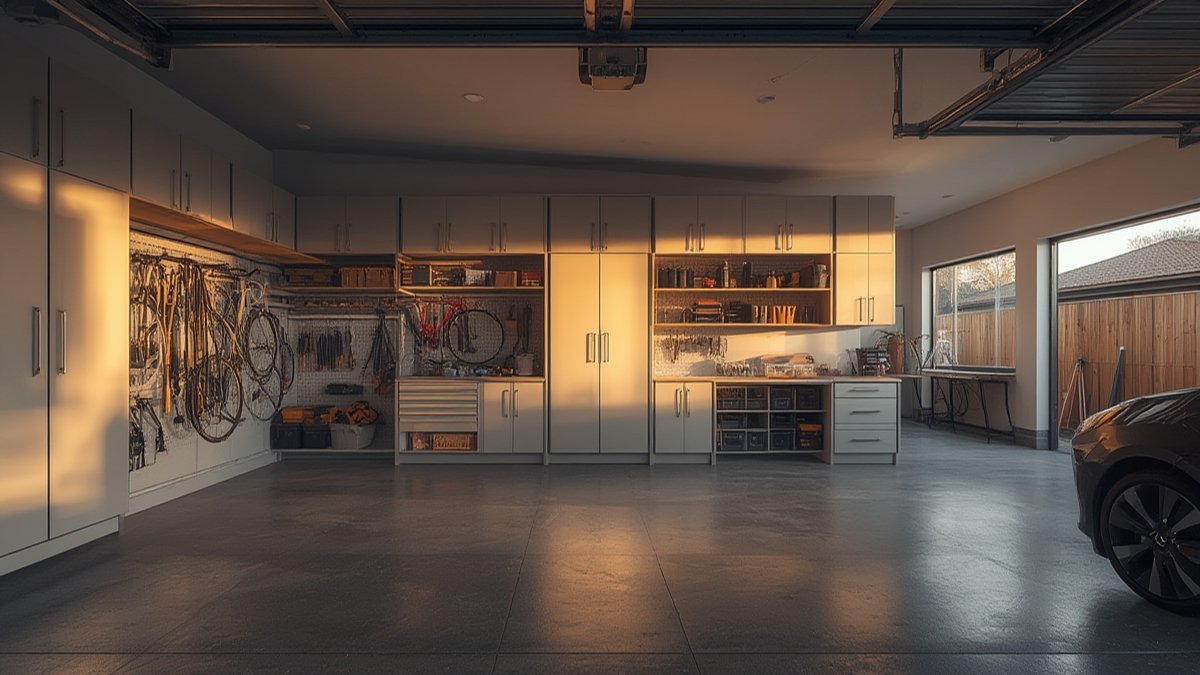
Modular garage storage systems—like Gladiator GearWall or Husky Trackwall—are grid or rail-based product lines designed for tool, bin, and gear storage on virtually any garage wall. Unlike custom millwork or fixed cabinets, modular setups use panels, slatwalls, or rails with snap-in hooks, baskets, bins and shelves.
These systems shine for DIYers and home organizers who need flexible layouts, renters who can’t install permanent cabinetry, or anyone with an unpredictable mix of sports gear, gardening tools, car care, or power tools that change with the season.
If your garage constantly evolves or if you need to reorganize after every new hobby—modular garage storage delivers real value. The key spec: modular garage panels from top brands support up to 50 pounds per linear foot when properly wall anchored, making them ideal for everything from snow shovels to toolboxes. If you want something that outlasts temporary shelving but don’t want full custom cabinetry costs, this is your lane.
Planning for Odd-Shaped Garages: What Most Guides Won’t Tell You
Oddly shaped garages—think bump-out water heaters, pipe chase walls, low soffits, or offset doors—make standard garage storage plans totally useless. Here’s how to plan a modular garage storage system for weird spaces (the “Pinterest-perfect” guides never show you this process):
First, measure wall “interruptions” like breaker panels, windows, and steps before designing your system. Standard kits only fit wide-open rectangles, but you can buy individual slat panels or rail segments to leapfrog obstacles. Use templates to tape system outlines on your garage wall before buying a thing.
In every installation I’ve done, some section ended up being 2 to 5 inches short—or something interfered with stud mounting. Order extra short-length panels or rails, and design your layout in “modules” that fit between barriers—not “end-to-end” like the catalog photos.
Pro Tip: Always use a stud finder and mark every stud location. Modular panels MUST anchor to studs or masonry—never just drywall. If your studs don’t line up with the panel’s mounting holes, invest in a backer board or furring strip set for full weight support.
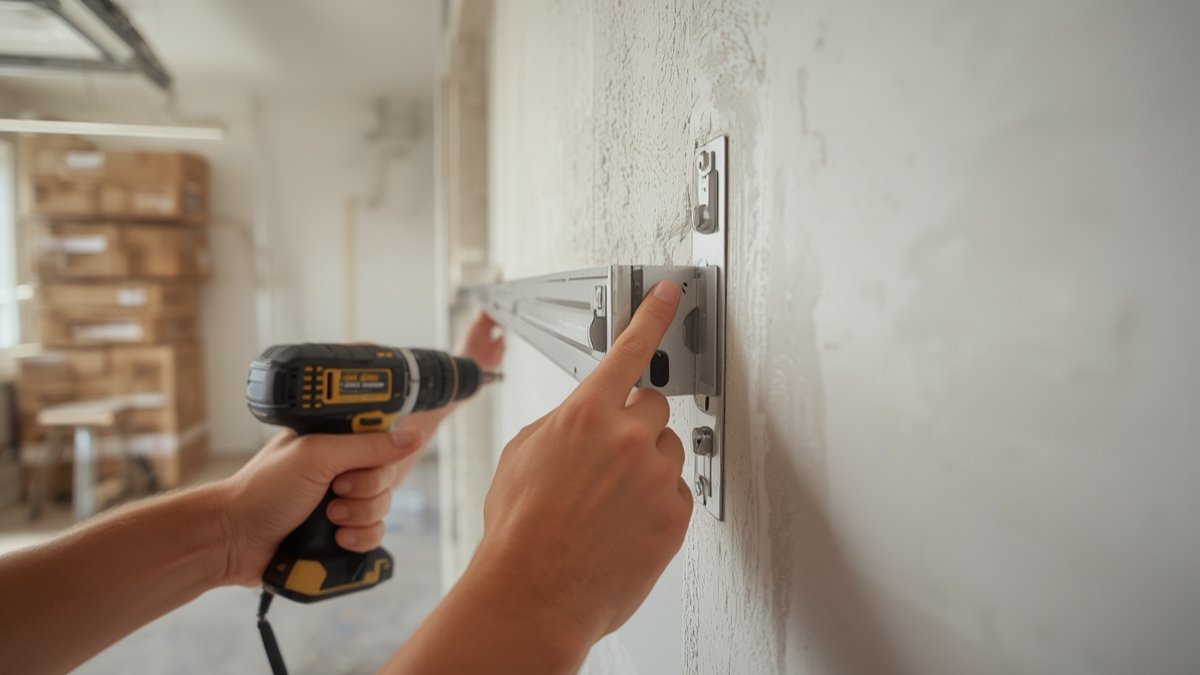
Hacks and Tricks: For pipes, switches, or wall cutouts, pre-drill and notch the edge of a panel before mounting—then snap plastic edge trim back on for a finished look. You can also “stack” shorter wall sections vertically on stubs or half-walls to maximize every square foot in tight, odd-shaped garages.
When figuring out how to plan a modular garage storage system for a tough shape, expect some waste on offcuts and connectors. But by customizing panel lengths, you’ll avoid dead zones and squeeze in hooks or baskets even in the maze of a 1950s garage.
One real limitation: Load-bearing is still confined to your wall and stud structure. It’s crucial to check system limits before hanging heavy gear. Unfortunately, most manufacturer websites dodge listing precise load data—forcing you to dig into spec sheets or user forums for real feedback on long-term durability.
Go for metal-backed panels and solid steel rails for heavier loads, especially if mounting over concrete block (use rated Tapcon anchors). Don’t trust just any drywall screw—this shortcut is the root cause of most modular system failures I’ve seen in local installs.
Modular Garage Storage Systems vs The Alternatives: Honest Comparison
Garage storage is a jungle of choices. I’ve lived with—and installed—modular wall panels, pre-assembled cabinet systems, and classic DIY shelving. Here’s exactly how top modular picks compare to high-end cabinets and DIY lumber racks for most homes:
| Product Name | Price Range | Key Spec | Best For | Weakness |
|---|---|---|---|---|
| Gladiator GearWall | $1,600–$3,728 (Lowe’s package «installation extra») | 48–96 sq. ft. panels, 50 lb/ft rail rating | Flexible heavy-duty wall storage | Higher labor cost for pro install, panels must be cut for odd layouts |
| Husky Trackwall | $1,300–$2,800 (panel + hooks + bins sets) | 42–84 sq. ft. coverage, quick-mount steel rails | Quick DIY and tool reconfiguration | Lower load rating, accessory selection less robust than Gladiator |
| DIY Plywood Shelving | $200–$600 (materials only) | Custom depth/length, max load = the thickness and bracket used | Ultra-budget bulk storage (bins, totes, wheels) | No modular flexibility, permanent fixes only, weak resale appeal |
Pick Gladiator GearWall if you want expandable, branded accessories plus the best wall load ratings—perfect for heavy tools and bikes. Husky Trackwall is less expensive for a starter garage, but you’ll outgrow its storage if you own a lot of gear. DIY shelving wins only if you need bulk horizontal storage (think totes stacked six high), not for flexible hook-based layouts.
One real-world negative: Verified buyers and local hardware specialists consistently mention installation headaches as the #1 complaint for modular panels—especially in older garages with uneven studs (source). If you aren’t comfortable adjusting for uneven walls, factor in that pro install costs can double what you budgeted for panels alone.

Cost-wise, both Gladiator and Husky wall systems will land you in the $1,300–$3,700 range all-in, but add $4–$10 per sq. ft. if hiring out labor (source). True custom cabinets are still three times as expensive per foot as modular wall panels—off the table for value, unless you have high-end resale in mind.
For full roundups: Check out our best garage storage systems guide or our top modular shelving units for even more options in every price bracket.
Who Should Buy (and Who Shouldn’t)
- Buy this if you’re sick of searching for garden tools, sports gear, or extension cords every weekend.
- Buy if you plan to reorganize seasonally (think: swap out bikes in the summer, snow blower in winter) and don’t want to drill new holes every time.
- Buy if you have a multi-car garage with at least one open wall and want a system you can expand, disassemble, or move to a new house later.
- Skip this if your garage has soft drywall throughout and no way to anchor panels into studs or solid block—modular won’t hold up.
- Skip if you only store a few bulky items (large totes, kayaks) and never need to reconfigure wall hooks or shelves.
- Skip if pro installation cost puts you over budget—DIY can save, but only for those comfortable with power tools and leveling long panels on uneven walls.
My direct recommendation: If you want to finally crack how to plan a modular garage storage system that actually fits your space and budget, modular panels from Gladiator or Husky give you the goldilocks balance of flexibility, value, and future-proof organization—just be realistic about installation costs and wall structure upfront.
Conclusion
There’s an art to how to plan a modular garage storage system—especially when your layout isn’t a basic rectangle. Base your plan on the realities of your walls, not just the system’s catalog photos: measure every obstacle, budget for labor and extras, and buy panels a la carte for weird corners or short walls.
Expect a total outlay of $1,600–$3,700 for a full wall system, with install adding $4–$10 per sq. ft. if you need pro help (source).
If you approach how to plan a modular garage storage system expecting a puzzle—not a prebuilt solution—you’ll avoid the buyer’s remorse most “Pinterest wins” never mention. Double-check your wall structure, prioritize the panels for your heaviest tools, and always budget a little extra for connectors or backers. That way, your garage upgrade works for you—day one and year five.
Ready to decide?
Check the current price and availability
on Amazon before you buy.
FAQ: How to Plan a Modular Garage Storage System
How much does it cost per square foot to install a modular garage storage system?
Expect $11–$28 per sq. ft. for modular systems, including panels, accessories, and labor. Budget $3,500–$3,800 total for a typical single- or two-car garage (source). High-end brands or tough layouts can push this higher.
What’s the #1 planning mistake for oddly shaped garages?
Most people forget to measure around wall cutouts, breaker panels, or HVAC. Always tape out your future panel layout before buying. Order short extra panels—never assume full-wall kits fit odd shapes exactly.
Are there hidden costs besides panels and accessories?
Yes. Plan for $50–$150/hour if you hire a pro, $200–$500 per electrical change, and possibly garage door adjustments. Shipping, connector kits, and odd-size panels can add up. (source)
How heavy can I load modular wall panels?
Top brands rate their panels at 50 pounds per linear foot—but only if every anchor hits a wall stud or masonry. Avoid hanging heavy power tools from drywall mounts alone. Always check the manufacturer’s max load for each accessory.
Modular panels vs. DIY shelving—why pay more?
Modular systems offer flexibility for hooks, bins, and shelves—moving or expanding is a breeze. DIY shelving is cheaper for big totes but can’t be reconfigured, and rarely looks tidy long term. Match your system to your changing storage needs.