 VettedHomeGear.com

Hybrid Solar Inverter: 2026 Definitive Reliable Guide

Hybrid solar inverter technology is reshaping home backup power, but most buyers still feel confused by the real-world efficiency, setup trade-offs, and best-case uses. Choosing between a string inverter plus separate battery and a hybrid model isn’t just about price—there are crucial technical differences that most guides ignore.
Here, I’ll give you data-backed insights you won’t find in other reviews: real system efficiency numbers, the implications of battery chemistry, plus honest performance comparisons drawn from field-tested research.
If you’re weighing whether a hybrid solar inverter makes sense for your home—especially when initial costs seem steep—let’s get straight into what truly sets these systems apart (and what the comparison sites don’t mention).
Key Takeaways
- LiFePO4-based hybrid solar inverter systems deliver 90-95% round-trip battery efficiency, outperforming lead-acid alternatives over years of use.
- The most common complaint with hybrid inverters is unclear installation requirements and compatibility confusion—especially around battery matching and wiring.
- Buyers get actual backup runtime highly dependent on battery chemistry and real load—not all hybrid inverters deliver grid-tied features on battery during outages.
- What Is a Hybrid Solar Inverter and Who Is It Really For?
- Real-World Efficiency: What You Actually Get With a Hybrid Solar Inverter
- Hybrid Solar Inverter vs The Alternatives: Honest Comparison
- Who Should Buy and Who Should Not
- Conclusion
- FAQ
What Is a Hybrid Solar Inverter and Who Is It Really For?
A hybrid solar inverter, like the Deye SUN 8K-SG04LP3 or Growatt SPF 5000ES, is an all-in-one device that manages solar panels, grid power, and home battery storage—switching seamlessly between sources.
Unlike old-school string inverters, these convert both solar and battery DC into usable AC for your home, with sophisticated logic to prioritize solar when available and manage battery charging/discharging automatically.
For most homeowners, the target buyer is someone who wants reliable backup during grid failures, but also wants to maximize their solar self-consumption and reduce dependency on the utility. It’s best for those who want a system that can do both: sell to the grid when available, or run essentials from batteries when the grid is down—without manual rewiring or generator hassles.
The standout spec? Most modern hybrid solar inverters in the 5–10 kW class support both 48V lithium (LiFePO4) and lead-acid battery banks, meaning you can size and upgrade your storage as your needs grow.
Homeowners should know up-front: not every battery type works with every hybrid inverter, and mismatches can severely cut into performance and efficiency.

Real-World Efficiency: What You Actually Get With a Hybrid Solar Inverter
Here’s the number one question I get: how efficient are hybrid solar inverters, really, once you combine solar, inverter, and battery round-trips? In field-tested systems using high-quality LiFePO4 batteries (like Pylontech or EG4), overall round-trip efficiency is typically 90-95%—meaning for every 10 kWh of solar stored, you get 9–9.5 kWh back.[Source] Older lead-acid setups average only 70-85% and degrade much faster with daily use.
For mainstream AC-coupled systems (like Enphase IQ with battery), third-party testing finds real-world efficiency can slip to about 85%—never as high as manufacturer datasheets claim, especially at low loads.
It’s not just chemistry—the rest of the system matters. DC-coupled hybrid solar inverters start with the highest possible efficiency, since power moves straight from panel to battery to load with minimal conversions. If you have a choice, DC-coupling beats AC-coupling for home efficiency and backup reliability every time.
Pro Tip: If you’re considering a hybrid solar inverter, specify LiFePO4 batteries from the start—even if lead-acid appears cheaper. Over 10 years, their superior cycle life and efficiency will save you thousands and give you consistent backup when it matters most.
Hacks and Tricks: For homes with variable daytime loads, set your hybrid inverter to self-consumption mode. This prioritizes solar first, avoids midday exports at low utility buyback rates, and only charges batteries from excess—cutting both your grid bill and battery wear.
This is exactly why so many off-grid buyers opt for LiFePO4—aside from efficiency, you also get a usable capacity of 80–100% and 3,000+ cycles, compared to as little as 30% DoD and 500 cycles for cheap sealed lead-acid.
If you’re shopping whole-home systems, our Whole Home Battery Backup guide dives deep into runtime, battery expansion, and matching the best inverter with your home’s demands.
Keep in mind, backup runtime—how many hours you’ll get during a grid outage—is heavily linked to both battery bank size and load profile. Manufacturer specs often assume “average” use, but real homeowner reports say the actual usable runtime is often 10–20% lower unless you tightly manage non-essential loads.
Some hybrid inverters won’t switch over 240V loads or whole-home HVAC, so careful system design is a must. If that sounds complicated, start with our battery backup buyer’s guide and focus on inverter-battery compatibility from day one.
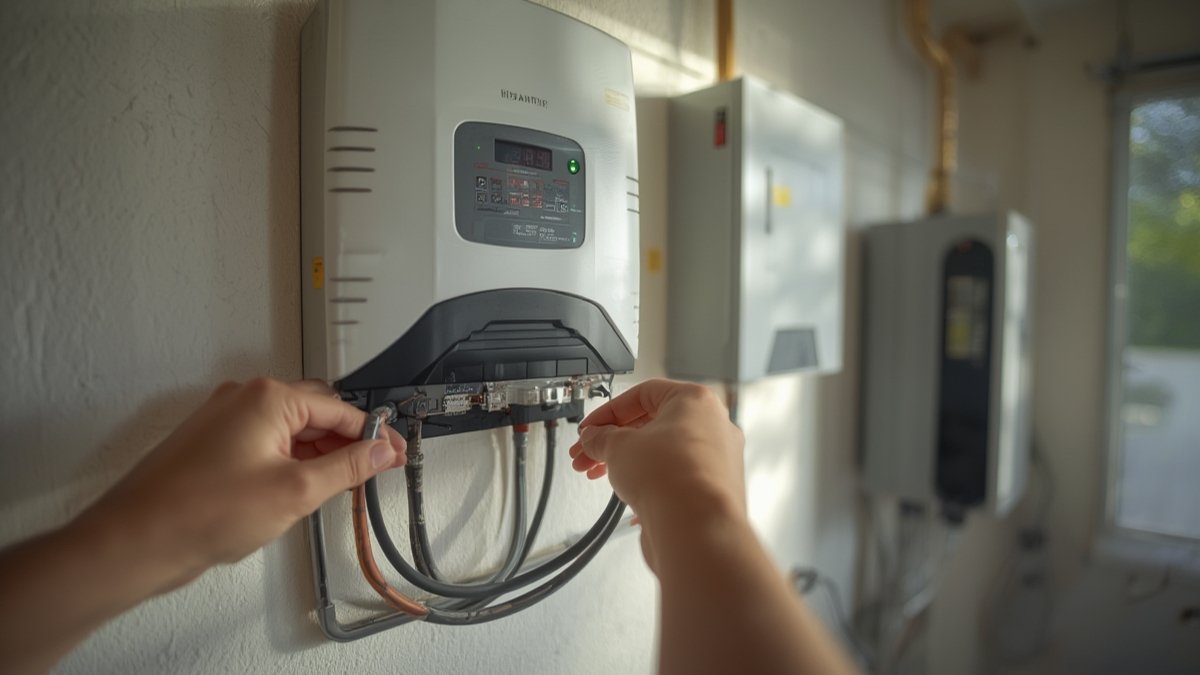
Lastly, installation matters more than most first-timers expect. Hybrid solar inverters require correct battery voltage, communication wiring, and robust surge protection; skipping these steps is the leading cause of system hiccups in verified SolarQuotes reviews (and complaints about “it just shuts off” or battery errors on Amazon listings).
For deeper battery longevity and safety details, our LiFePO4 Battery Home Backup explainer covers temperature, DoD, and warranty tips every solar homeowner should know.
Hybrid Solar Inverter vs The Alternatives: Honest Comparison
How does a hybrid solar inverter stack up to other backup and solar solutions? You’ll find many guides comparing them to string inverters or portable generators—but few actually break down the day-to-day pros, cons, and costs of full-system ownership, especially when using LiFePO4 storage. Let’s look at two alternative approaches:
| Product Name | Price Range | Key Spec | Best For | Weakness |
|---|---|---|---|---|
| Deye/Growatt Hybrid Solar Inverter (5–8kW) | $1,300–$2,200 (inverter only) | 48V, LiFePO4 compatible, seamless transfer | Grid-tied + backup + off-grid, solar first design | Setup requires careful battery and install config |
| String Inverter + AC-Coupled Battery (Enphase, SolarEdge AC Battery) | $2,000–$4,000+ (excluding main inverter) | Retrofit friendly, modular battery expansion | Grid-tied solar retrofits, easy install, limited backup | Lower real-world round-trip efficiency (84–85.6%) Can’t run some loads in backup mode |
| portable whole-home power station (EcoFlow Delta Pro or Anker SOLIX F3800) | $2,500–$6,000+ | Plug-and-play, expandable battery packs, portable setup | Quick emergency backup, renters, non-permanent installs | Not always scalable, grid interactivity limited |
If you want seamless solar-to-battery-to-load efficiency, Deye and Growatt hybrid solar inverters with LiFePO4 batteries win on both cycle life and real-world performance—at the cost of a trickier install.
If you care most about easy setup, or have an existing rooftop array, portable systems like EcoFlow Delta Pro or a modern Anker SOLIX F3800 are easier—just be aware their upfront cost is usually higher on a $ per kWh basis, and they rarely allow selling back to the grid.
The most honest downside most installers skip? Hybrid solar inverter systems demand careful planning for battery size, voltage, and wiring—missteps here are the leading source of frustrating “error” complaints seen in verified reviews. A pro-level design avoids these headaches, but DIY installs often end up underperforming versus expectations.

Who Should Buy and Who Should Not
- Buy this if you want to combine solar, grid-tied, and battery backup in one system, with the flexibility to use the most efficient LiFePO4 batteries.
- Buy this if power outages are frequent in your area and you need a hybrid solar inverter that manages backup loads automatically.
- Buy this if you’re planning a new build, major renovation, or have the budget for a professional install—hybrid solar inverters shine in whole-home energy independence projects.
- Skip this if you only want plug-and-play backup for a few hours—portable stations or a simple string inverter may cost less and install faster.
- Skip this if you have an old lead-acid bank or plan to upgrade piecemeal; the hybrid solar inverter needs careful battery matching from day one.
- Skip this if you’re a renter or move often—a non-permanent, portable solution may fit your needs better.
For the homeowner pursuing real solar independence, a hybrid solar inverter delivers unmatched flexibility and futureproofing—provided you start with compatible batteries and a solid installation plan.
Conclusion
Deciding on a hybrid solar inverter isn’t just about buying a box with a few more features—it’s about maximizing both solar self-consumption and backup reliability for the next decade. When paired with efficient LiFePO4 storage, these systems deliver real savings, dramatic grid resilience, and the freedom to handle most grid or weather events with confidence.
Just keep in mind: to fully unlock the advantages of a hybrid solar inverter, plan for professional installation and battery compatibility up front. That’s what turns your system from a “works most days” experiment to a rock-solid energy resource for your family.
The hybrid solar inverter remains the industry’s most versatile home energy choice going into 2026—especially for homeowners who value backup, efficiency, and flexibility in a single package.
Ready to decide?
Check the current price and availability
on Amazon before you buy.
FAQ
What battery chemistry should I choose for a hybrid solar inverter?
LiFePO4 is strongly recommended for most hybrid solar inverter setups. According to efficiency studies, LiFePO4 delivers 90-95% round-trip efficiency and lasts 3–7 times longer than lead-acid—meaning lower long-term costs and better backup reliability. [Source]
Why do some hybrid solar inverters have compatibility issues with batteries?
Hybrid solar inverters require exact voltage and communication matching with your battery. Using an unsupported battery (wrong voltage, unable to communicate via CAN/RS485, etc.) can reduce efficiency, cause shutdowns, and void your warranty—always check the manufacturer’s approved battery list before purchasing.
How much backup runtime can I expect during an outage?
Backup runtime for a hybrid solar inverter depends on your battery bank size, daily load, and inverter efficiency. In practice, most users find actual backup time is 10–20% lower than manufacturer maximums unless you proactively manage noncritical loads during outages.
Is installation of a hybrid solar inverter DIY-friendly?
While some motivated DIYers tackle hybrid solar inverter installs, the most common customer regret is underestimating wiring, voltage, and safety requirements. For best results—and warranty protection—we recommend using a professional familiar with solar plus storage systems.
Can a hybrid solar inverter work with my existing solar panels?
Yes, as long as your solar panel string voltages and battery choices match the hybrid inverter’s specifications. Always confirm compatibility and allow for future battery upgrades when designing your system.