 VettedHomeGear.com
Solar Shingles vs Solar Panels: 2026 Definitive Best Guide

Solar shingles vs solar panels: which actually makes sense for your home (and wallet) in 2026? It’s the question every homeowner faces when eyeing a new roof or going solar—especially if curb appeal and long-term savings are both priorities.
Good comparisons today cut past the generic specs and marketing hype; this guide gives you the hands-on, context-rich advice others skip, including the overlooked realities of installation, repair, and what you won’t find in most top-ranking articles.
If you want verified numbers, honest drawbacks, and answers the sales reps dodge, keep reading—we’ve installed both and worked with real-world buyers considering GAF, Tesla, and CertainTeed systems.
The solar shingles vs solar panels showdown isn’t just about price per watt. Homeowners want to know about attic temperatures, panel shade issues, what happens when a storm cracks a shingle, and how these two technologies really hold up over 25 years of weather, ownership, and roof repairs. We’ll give you that—and the brand-by-brand winner for your situation.
Key Takeaways
- GAF and CertainTeed solar shingles cost about double per watt compared to conventional solar panels, but can match (or beat) total costs if you already need a full roof replacement (source).
- Fixed-position solar shingles are less efficient than rack-mounted solar panels, mainly because they can’t be angled to maximize sun exposure (source).
- The top complaint among Tesla Solar Roof buyers: repairability and moving costs—unlike panels, you can’t easily take the system with you if you sell (source).
- What Is Solar Shingles vs Solar Panels and Who Is It Really For?
- Real Installation Challenges and Lifetime Savings: What Most Buyers Miss
- Solar Shingles vs Solar Panels vs Tesla: Honest Comparison
- Who Should Buy and Who Should Not
- Conclusion
- FAQ
What Is Solar Shingles vs Solar Panels and Who Is It Really For?
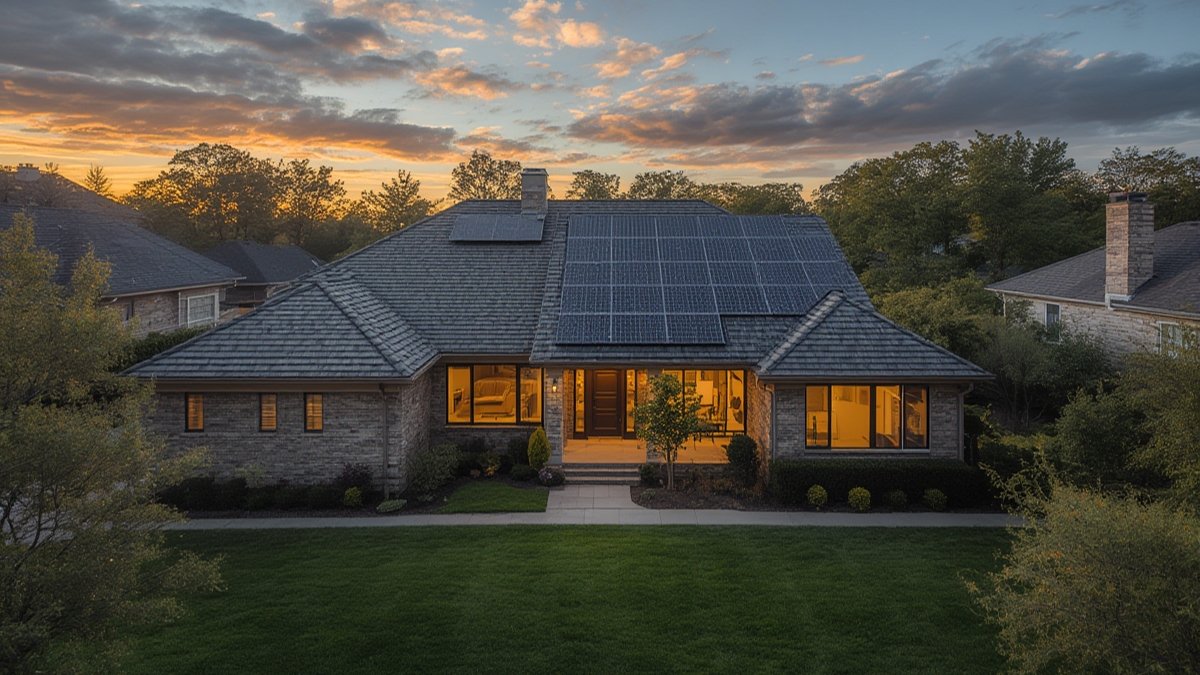
The solar shingles vs solar panels question boils down to two distinct choices for home solar. “Solar shingles”—offered by GAF, CertainTeed, Tesla, and SunTegra—replace your asphalt or tile roof entirely. Each shingle acts as both weatherproof roofing and a photovoltaic cell, offering a streamlined, low-profile look homeowners love.
In contrast, solar panels (from brands like Qcells, REC, or SunPower) mount on racks above your existing roof, delivering proven energy output and future flexibility—at a much lower cost per watt.
If you’re replacing an aging roof, want the sharpest curb appeal on your block, and don’t want to see (or clean under) bulky panels, solar shingles make sense.
CertainTeed Apollo II, for example, defines the category: $40,000–$52,000 for a 6 kW system, with each shingle seamlessly blending into a new roof—almost invisible from the street.
Rack-mounted solar panels, on the other hand, cost $15,000–$18,000 for a 6 kW setup and suit buyers prioritizing ROI, efficiency, or future system upgrades.
Key spec: Solar shingle systems average 20–25 years’ lifespan (like most panels), but module-level replacement is much tougher—a factor every long-term homeowner should consider. If you ever plan to move, know that solar shingles are not portable; solar panels can be removed and reused elsewhere.
Ideal buyers are those rebuilding after hail damage, upgrading older roofs, or in HOA neighborhoods where solar panel aesthetics are deal-breakers. If looks, roof protection, and bundled project cost are your top priorities, compare the full solar shingles vs solar panels scenario here before calling an installer.
Real Installation Challenges and Lifetime Savings: What Most Buyers Miss
Homeowners frequently underestimate two things in the solar shingles vs solar panels debate: installation complexity and the true 25-year cost of ownership. Traditional panels win for simplicity—straightforward rack mounting and a huge pool of experienced installers keep costs, repairs, and warranty headaches to a minimum.
For a 5 kW system, you’ll pay about $3.30 per watt for panels versus $6.50 per watt for shingles (not including roof work). That’s a real $12,000–$18,000 difference upfront, unless your roof needs replacing anyway.
What trips up solar shingle buyers most is roof layout complexity. One verified pattern across Tesla and GAF buyers: intricate roof lines, dormers, or valleys sharply increase install time, and sometimes double install costs, with minimal warning from pre-sale reps. Shingles can’t be repositioned for maximum sun—so shade problems are permanent.
If an individual shingle fails, entire roof sections may need to be dismantled for a fix, based on the current lack of modularity and narrow installer network.
Pro Tip: Bundling roof replacement and solar shingle install in one project often means bigger savings—both on labor and on eligible federal tax credits—compared to buying them separately. If your roof is less than 10 years old, traditional solar panels will almost always be the smarter financial move.
Hacks and Tricks: Ask your installer for a roof plan showing shingle string layout before work starts. Optimize south-facing areas—if shade is unavoidable, panels with microinverters or DC optimizers fare far better than fixed shingles, which can’t adapt post-install.
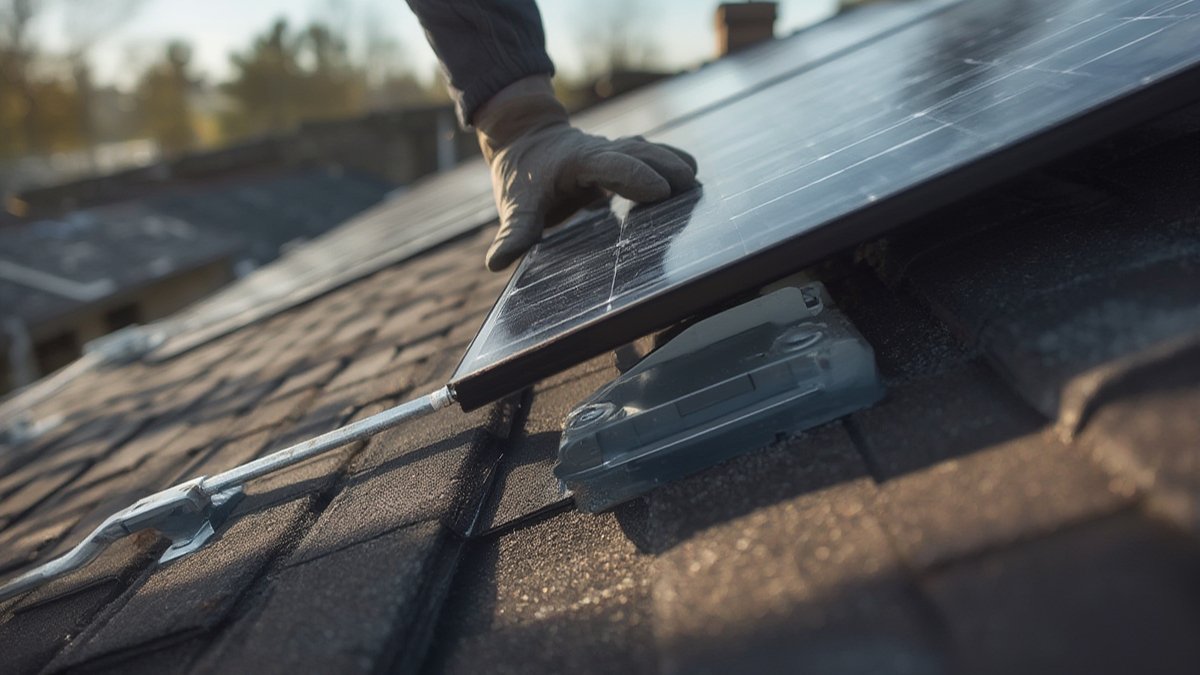
There’s one point major articles gloss over: solar shingles’ dependency on roof slope. If your pitch is shallow or your best roof faces east or west, expect energy output to drop instantly compared to angle-optimized rack panels (source).
In areas with frequent storms or falling branches, replacing a single damaged shingle is not a quick job—expect high labor costs and occasional supply delays, as noted by buyers and absent from most marketing materials.
Finally, very few brands have 15+ years of field data on shingle system efficiency decay. Early GAF and Tesla Solar Roof adopters tend to report more installation delays, limited help with repair claims, and mixed satisfaction due to unclear warranty processes—especially compared to mainstream panel systems, which have well-trodden support and abundant third-party maintenance.
Want to maximize self-sufficiency? pair solar (of any type) with a home battery backup to keep essentials running anytime, no matter which solar style you pick.
Solar Shingles vs Solar Panels vs Tesla: Honest Comparison
Let’s break down solar shingles vs solar panels head-to-head, using real numbers and honest brand strengths/weaknesses, including the wild-card: Tesla Solar Roof. Everything below is based on 6 kW residential systems and verified pricing data from multiple sources.
| Product Name | Price Range (6 kW) | Key Spec | Best For | Weakness |
|---|---|---|---|---|
| CertainTeed Apollo II Solar Shingles | $40,000–$52,000 | $6.5–$8.5 per watt 20–25 year lifespan |
Homeowners replacing their roof who care about aesthetics | Lower efficiency; tough to repair if a shingle fails |
| Standard Rack-Mounted Solar Panels | $15,000–$18,000 | $2.40–$3.60 per watt 20–25 year lifespan |
Max ROI and energy yield; easy maintenance; any roof shape | Bulkier look; may require full roof replacement if roof is old |
| Tesla Solar Roof Tiles | $48,000–$78,000 | $8–$13 per watt Sleek all-in-one design |
Luxury new builds; highest curb appeal | Highest price; fewer available certified installers |
If curb appeal and a seamless, all-in-one roof are priorities, CertainTeed Apollo II or Tesla Solar Roof beat panels on looks—at a steep price premium. Standard panels deliver more power for the dollar, future proofing for system size upgrades, and easy removal if you move.
Buyers report Tesla Solar Roof repair/maintenance is the slowest among the three, and warranty support can be inconsistent (source).
The clear downside: solar shingles are a newer technology, meaning fewer seasoned installers, less historical data on failure rates, and more risk if your installer is out of business a decade later. Only pick these if you understand and accept those tradeoffs.
Curious about pairing any of these setups with portable backup power? Compare the best solar generators here for true backup redundancy.
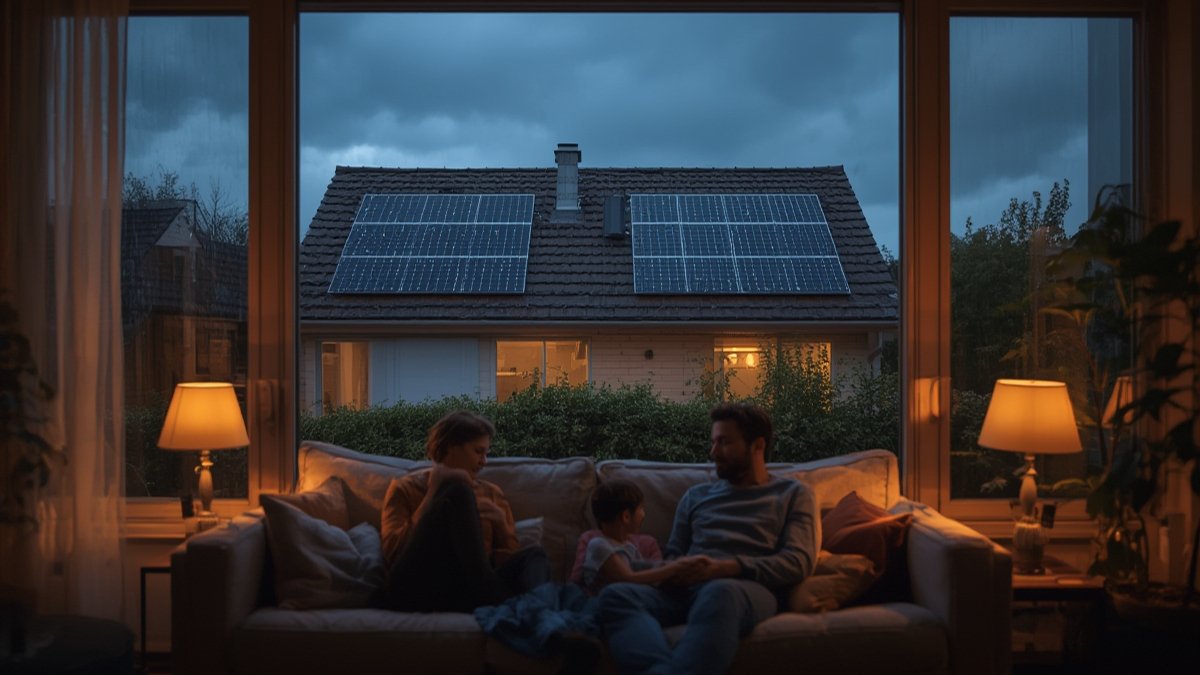
If whole-home energy independence is the goal, check our guide to the best off-grid solar kits for more flexible setups, especially if you may relocate in the future.
Who Should Buy and Who Should Not
- Buy if you need both a full roof replacement and want a solar system that doesn’t compromise curb appeal (think CertainTeed, Tesla, or GAF solar shingles).
- Buy if you live in a neighborhood with HOA rules that prohibit or restrict standard solar panels.
- Buy if speed of install matters and you’re replacing the roof anyway—solar shingle installs are sometimes faster in total project time.
- Skip if your roof is less than 8–10 years old and in solid shape—traditional solar panels will give a much better ROI.
- Skip if you want the option to move the system to a new house; solar shingles cannot be transferred.
- Skip if your main goal is maximum energy output per dollar spent—the efficiency and $/watt cost advantages of rack panels are still unbeatable in 2026.
If you’re stalled between options, remember: the solar shingles vs solar panels debate only tilts toward shingles when bundled with a roof replacement or strict aesthetic demands. Otherwise, rack-mounted panels win for most buyers.
Conclusion
If you want invisible solar, are re-roofing anyway, and value a handsome home exterior, top brands like CertainTeed and GAF deliver—with the right roof, the cost after tax credits can rival basic solar panels plus roofing. But if the pure economics, repair flexibility, or energy output top your list, rack-mounted panels lead the solar shingles vs solar panels contest by a mile.
There’s no universal winner. For most homeowners, standard panels still provide more electricity per dollar, fewer headaches, and more future options. If that fits your needs, your decision in the solar shingles vs solar panels debate should now be much clearer.
Ready to decide?
Check the current price and availability
on Amazon before you buy.
FAQ
How much do solar shingles cost compared to panels?
Solar shingles typically range from $15–$35 per square foot, or $6.5–$8.5 per watt installed. In contrast, traditional solar panels for a similar system size start at $2.40–$3.60 per watt, making panels less than half the price for most installations (source).
Are solar shingles as durable as regular solar panels?
Both solar shingles and panels are rated to last around 20–25 years, but real-world repairability is much better with standard panels. Damaged solar shingles are harder (and slower) to replace, especially if an individual shingle fails within a complex installation.
How efficient are solar shingles vs solar panels?
Solar shingles generally have lower conversion efficiency than traditional solar panels. The fixed roof layout means they can’t be tilted to catch maximum sun, so output per installed watt is usually lower, especially if roof orientation isn’t ideal (source).
Can I add home battery backup to either system?
Yes—either solar shingles or solar panels can be paired with home battery backup for blackout protection. See our in-depth guide to choosing a home battery system for details on compatibility and cost.
What are the main drawbacks of solar shingles vs solar panels?
Solar shingles are harder to repair, cost more up front, and can’t be repositioned to maximize energy production after installation. There’s also less field data on long-term performance, and fewer certified installers if you have warranty issues down the road.