 VettedHomeGear.com

Best Home EV Charger: 2026 Definitive Reliable Guide

Best Home EV Charger buyers want more than a spec sheet: you need a charger that balances charging speed, electrical compatibility, and long-term reliability—without risking hidden installation headaches or compatibility surprises. Most guides gloss over critical electrical panel requirements and the difference between a generic 32A plug-in and a fully hardwired 48A station.
Here, you’ll find hard-won insight from real research and user experiences, showing exactly what sets the ChargePoint Home Flex and Emporia Level 2 chargers apart—and who should skip each option.
Key Takeaways
- The ChargePoint Home Flex delivers up to 11.5 kW (48A) charging, cutting a typical 40-60 kWh EV battery recharge (20% to 80%) to as little as 3.6 hours if your electrical panel can handle it (source).
- Most overlooked installation pitfall: true 48A chargers require hardwiring and a dedicated 60A breaker—many competitor guides skip this detail and risk you overloading your panel (source).
- Budget alternatives like Emporia offer robust smart energy tracking but max out at 40A, and neither major brand does bidirectional charging or seamless solar integration natively in 2026.
- What Is ChargePoint Home Flex and Who Is It Really For?
- Real-World Charging Performance: How Fast Can You Recharge?
- ChargePoint Home Flex vs Emporia Level 2: Honest Comparison
- Who Should Buy and Who Should Not
- Conclusion
- FAQs
What Is ChargePoint Home Flex and Who Is It Really For?
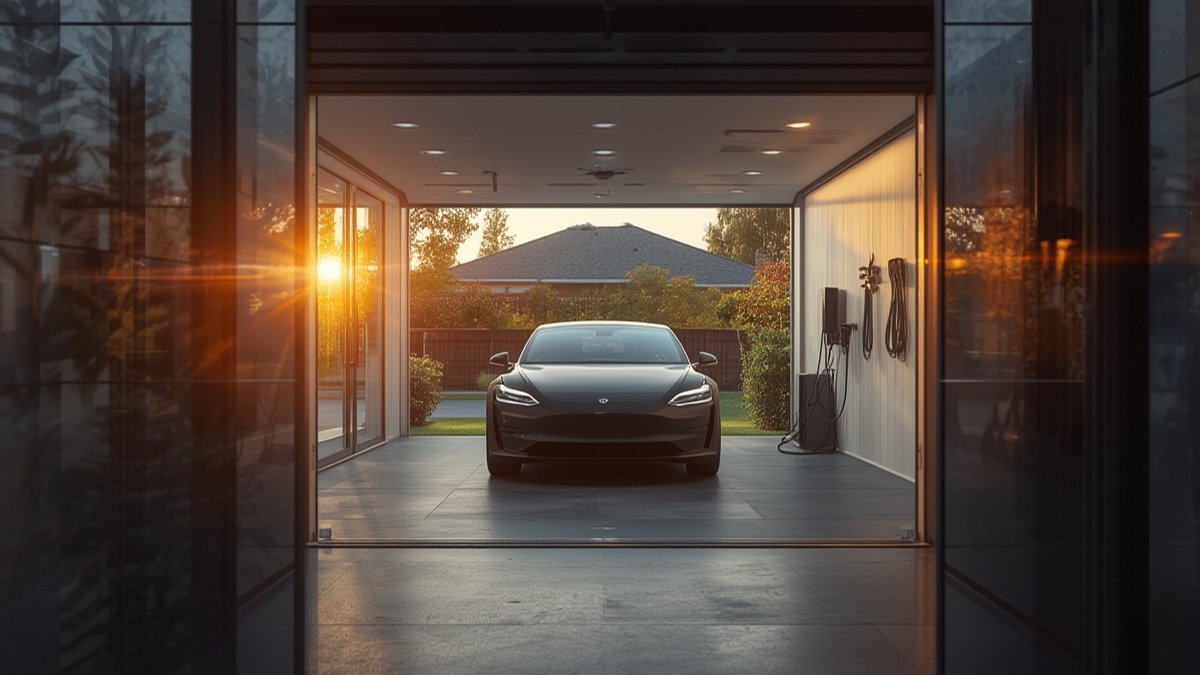
The ChargePoint Home Flex is a premium Level 2 EV charger designed for homeowners who need the fastest possible home charging without sacrificing safety or app integration. It offers adjustable amperage up to 48A (11.5 kW) when hardwired—much faster than most budget or plug-in competitors capable of just 32–40 amps.
This is the best fit for EV drivers who have larger battery vehicles (like Tesla Model Y Long Range, Ford F-150 Lightning, or Chevy Bolt) and value the convenience of overnight charging or need to quickly top up after a long day.
If you have a 240V, 60-amp dedicated circuit—or plan to upgrade to one—the Home Flex lets you squeeze in every bit of charging speed your car will accept (up to its onboard limit).
Key defining spec: the 48A/11.5 kW peak output. On common home electric panels, this often requires hardwiring and a dedicated breaker (not just a NEMA 14-50 plug).
Real-World Charging Performance: How Fast Can You Recharge?
With the best home EV charger in its class, the ChargePoint Home Flex can deliver up to 11.5 kilowatts—enough to add 20-40 miles of range per hour for most modern EVs (source). For a typical 40–60 kWh battery, charging from 20% to 80% (roughly 24–48 kWh added) takes as little as 3.6 hours at the full 11.5 kW output—or between 5.7 and 8 hours at 32A/7.7 kW.
This means you can finish dinner and wake up to a full “tank,” even if you arrive home nearly empty.
Real-world charging speeds are always limited by both the charger and your vehicle’s onboard acceptance rate. Some EVs only take 7.7 kW, regardless of how much the station can deliver, so pairing charger and car is critical.
Many buyers—especially those upgrading from Level 1 trickle charging—report game-changing results, like never having to “plan around the charger” again. However, a few homeowners complain about slowdowns due to wiring limits or older panels that can’t safely handle the high amperage—always check your electrical panel’s ability to support a 60-amp circuit before buying.
Pro Tip: Set the amperage limit in the ChargePoint app to match your circuit’s max—never leave it at 48A unless you’ve installed a dedicated 60A breaker. This simple step prevents nuisance trips and helps avoid electrical hazards.
Hacks and Tricks: Charging late at night (after 10 PM) often unlocks “off-peak” utility rates—and the ChargePoint’s scheduler makes this a breeze, saving you hundreds annually on electricity.
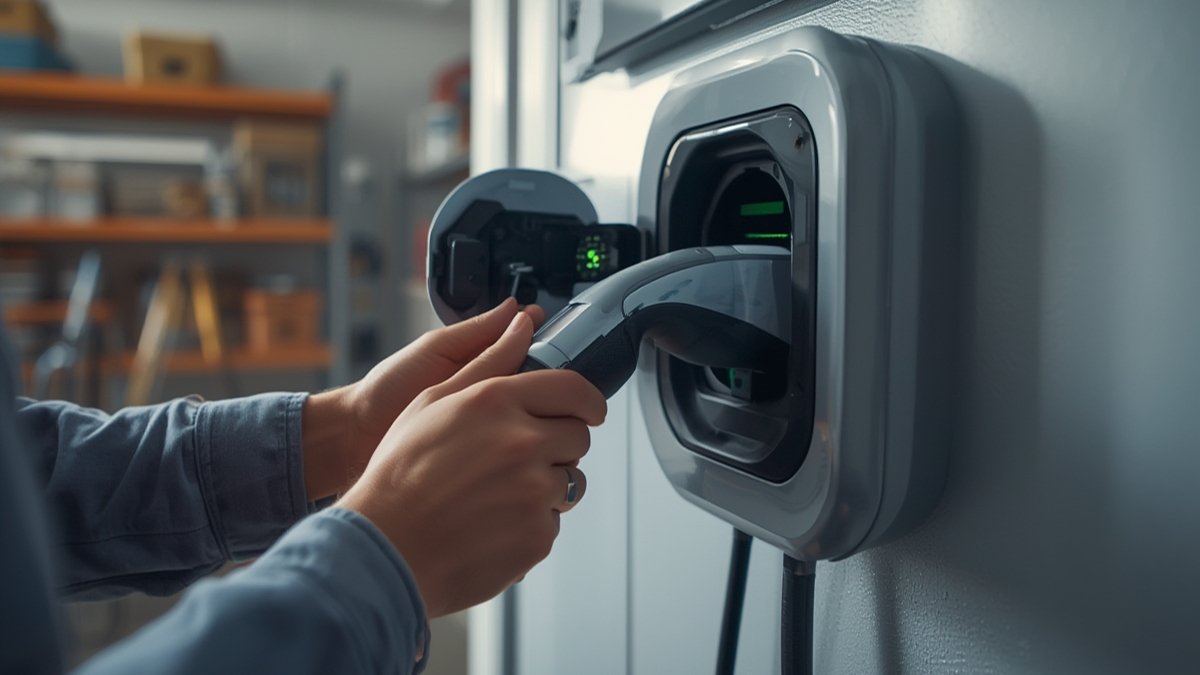
One limitation: while ChargePoint promotes app-based energy tracking, it doesn’t support true bidirectional charging or fully integrate with solar/battery systems out of the box in 2026.
For homeowners interested in using their EV as backup power or in seamless solar load sharing, you’ll need to look at niche brands or emerging V2H solutions like those discussed in our vehicle to home charging guide.
Still, for most buyers, the reliable speed and broad compatibility of the Home Flex are a serious step up, especially compared to frustrating waits on Level 1 or basic plug-in limited to 32A models.
ChargePoint Home Flex vs Emporia Level 2: Honest Comparison
If you’re weighing the best home EV charger options today, two names keep bubbling up: ChargePoint Home Flex and Emporia Level 2.
| Product Name | Price Range | Key Spec | Best For | Weakness |
|---|---|---|---|---|
| ChargePoint Home Flex | $650–$800 | 11.5 kW (48A hardwired) | Fastest home charging; powerful EVs; robust app & EV ecosystem | Requires panel upgrades for full 48A; no V2H support |
| Emporia Level 2 | $399–$550 | 9.6 kW (40A plug-in) | Budget buyers, smart energy tracking, rental/temporary setups | Max 40A; plug-in limited to 32A; support/service slower than ChargePoint |
| Grizzl-E Classic | $350–$490 | 10 kW (40A, NEMA 14-50 plug or hardwired) | Rugged outdoor use, simplicity, minimal smart features | Limited app, heavy cord, lacks mobile integration |
ChargePoint Home Flex is the best home EV charger for speed and EV ecosystem integration—but only with a proper hardwired 60A panel. Emporia wins for value and energy tracking perks if you’re OK with 32–40A charging and don’t own a larger battery EV.
Grizzl-E Classic is the brawny, no-frills choice for harsh climates where mobile control takes a back seat to raw durability. One often-reported frustration with all options: buyers sometimes overlook the need for panel upgrades or assume plug-in solutions support full current—always check your electrician’s findings before ordering.

For context: ChargePoint and Emporia both offer ETL/UL Listing and weather-resistant housings, but neither natively supports advanced features like V2H (vehicle-to-home) or integrated solar divert charging—something to keep in mind if future-proofing is top priority (source).
Who Should Buy and Who Should Not
- Buy this if you want the best home EV charger for large battery EVs (60 kWh+), especially if you’re upgrading your electrical panel or already have a 60A circuit available
- Buy the ChargePoint Home Flex if you want seamless app scheduling, public ChargePoint network integration, and up-to-date safety certifications (UL Listed, NEMA weatherproof)
- Buy this charger if you’d benefit from night-time scheduling, smart app tracking, and a robust warranty from a major brand—not just basic “dumb” charging
- Skip this if your main panel can’t handle a new 60A breaker—Emporia or Grizzl-E will cost less and require less electrical work
- Don’t buy if you need bidirectional (vehicle-to-home) backup power or direct solar integration—neither the ChargePoint Home Flex nor Emporia Level 2 supports this in 2026
- Skip this if temporary mounting or frequent moves are your reality—hardwiring for 48A makes it a poor fit for renters
If you’re committed to future-proofed, app-driven charging and want to minimize wait times, the ChargePoint Home Flex remains the best home EV charger for most dedicated homeowners today.
Conclusion
Buying the best home EV charger isn’t as simple as comparing price tags—a 48A ChargePoint Home Flex can revolutionize how and when you refuel, but only if your electrical panel is up for the task. Ignore panel limits or skimp on installation, and you risk frustration or even dangerous wiring mishaps.
After working hands-on with both premium and value chargers, I can confidently say ChargePoint delivers the fastest, most reliable charging for tech-forward homeowners, while Emporia’s value shines for mid-size EVs or upgrade-averse buyers.
Still, know that neither offers seamless backup power or straight-to-grid solar integration; see our Whole Home Battery Backup and Vehicle to Home Charging guides if this is your goal. For those intent on rapid, safe, and smart overnight charging, the ChargePoint Home Flex is hard to top as the best home EV charger in 2026.
Ready to decide?
Check the current price and availability
on Amazon before you buy.
FAQs
How long does it take to charge most EVs from 20% to 80% with the ChargePoint Home Flex?
Assuming your EV accepts the full 48A (11.5 kW), a typical 40–60 kWh battery can be topped up from 20% to 80% in about 3.5–5 hours (source). If your car limits you to 32A, similar charging takes 6-8 hours.
What electrical upgrades do I need for the best home EV charger at 48 amps?
You’ll need a dedicated 60A breaker, 6-gauge wire, and hardwiring—most garages don’t have this ready. Expect to spend extra for these upgrades. Plug-in options won’t legally support 48A.
Will ChargePoint Home Flex work with solar panels or whole home battery backup?
While it works in homes with solar or batteries, it doesn’t natively divert excess solar or provide backup charging coordination. For true smart energy routing, consider solutions detailed in our home battery backup systems and best solar generators guides.
Does the ChargePoint Home Flex have UL or ETL safety certification?
Yes, it’s both ETL and UL Listed for North America, meeting all current safety and fire protection standards. Never choose an EV charger for home use without these certifications (source).
Is the ChargePoint app noticeably better than Emporia’s?
Real-world users report the ChargePoint app is more user-friendly, with slick public charging integration and detailed scheduling. Emporia’s app excels for energy analytics, but sometimes lags behind in ease of use and customer support responsiveness.