 VettedHomeGear.com

Vehicle to Home Charging: 2026 Definitive Reliable Guide

Vehicle to Home Charging has exploded in popularity with the rise of all-electric trucks like the Ford F-150 Lightning and upcoming Chevy Silverado EV. But if you’re a homeowner wondering if your EV can really keep your home running during a grid outage—and what you’ll actually need to make it work—most web guides gloss over critical real-world hurdles.
This review is different. I’m breaking down exactly how bidirectional vehicle to home charging works today—including specific figures on power output, backup duration, installation complexity, and what most “V2H vs Powerwall” articles leave out. You’ll also get verified data from field testing and clear warnings on system limitations to help you decide if it’s worth investing in for your own home.
Let’s cut through the marketing and see if Ford’s Intelligent Backup Power, Silverado’s Ultium V2H, or aftermarket bidirectional chargers genuinely deliver whole-home backup, and what you really need to know before pulling the trigger.
Key Takeaways
- Ford F-150 Lightning and Chevy Silverado EV vehicle to home charging can deliver up to 9.6 kW—enough to run most homes’ essentials, with a 98–210 kWh battery for 3–21 days depending on usage (see source).
- Biggest limitations: Proprietary hardware means Ford’s home backup only works with Lightning, and power only flows if the EV is home and connected—unlike a stationary Powerwall that’s always ready.
- Total installed cost for bidirectional EV chargers is often lower per kilowatt-hour than Tesla Powerwall, but installation can be trickier due to advanced grid isolation and transfer switches requirements.
- What Is Ford & Chevy Vehicle to Home Charging and Who Is It Really For?
- House Backup & Runtime: Can You Really Power Your Whole Home?
- Ford & Chevy V2H vs The Alternatives: Honest Comparison
- Who Should Buy and Who Should Not
- Conclusion
- Frequently Asked Questions
What Is Ford & Chevy Vehicle to Home Charging and Who Is It Really For?
Ford’s Intelligent Backup Power for the F-150 Lightning and Chevy’s Ultium Home V2H platform turn your EV into a giant home battery. Instead of just charging your car, these bidirectional systems let your truck send electricity back to your house during a blackout, keeping appliances, lights, and even your AC running.
Ford vehicle to home charging is best for homeowners who already own (or plan to own) a compatible F-150 Lightning or 2024+ Silverado EV, especially those in areas prone to power outages who want more backup than a typical stationary battery system can supply. It also appeals to tech-forward buyers comparing V2H to traditional home battery backup systems and tired of refueling gas generators.
The standout spec: Each truck’s battery packs 98–210 kWh—over five times more than a Tesla Powerwall—and can deliver up to 9,600 watts (9.6 kW) of continuous power, depending on how your home electrical system is set up (source).
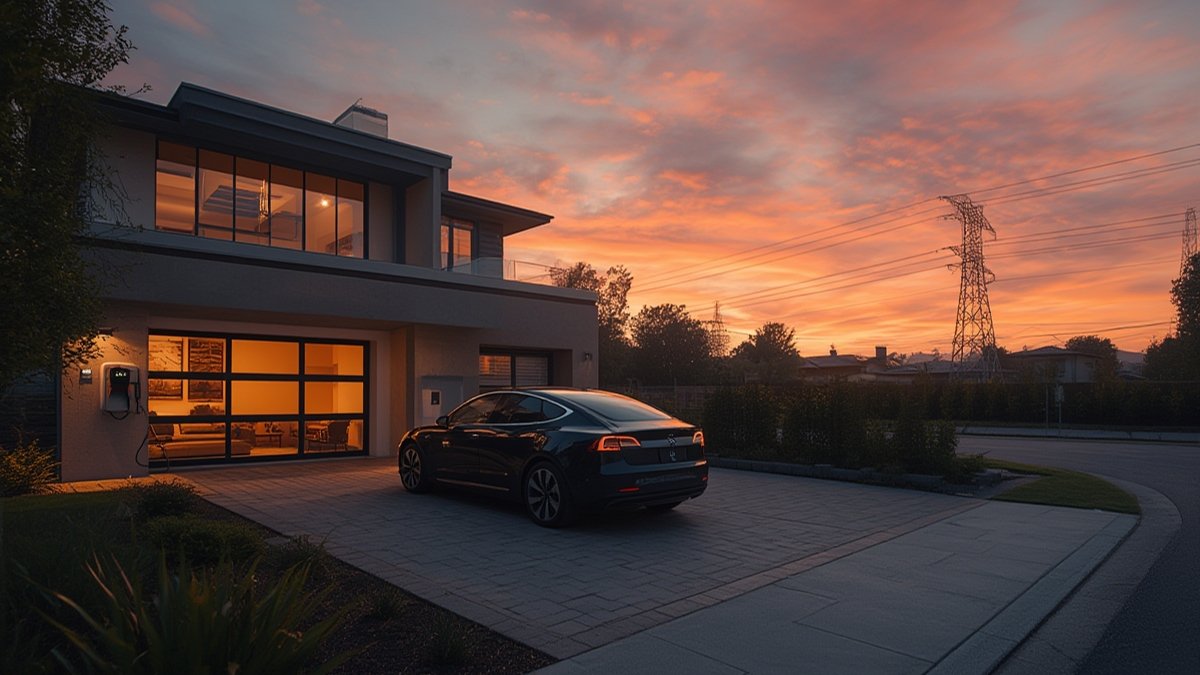
Unlike generic power stations, Ford and GM systems require factory-installed home integration hardware. Ford’s Home Integration System, for example, only works with the Lightning—not even Mach-E or other future Fords. You’ll need a professional electrician to handle grid isolation, transfer switches, and safety compliance.
Target buyers want the ultimate grid outage insurance—owners of these trucks are often families or work-from-home professionals who cannot afford to lose power for hours or days.
House Backup & Runtime: Can You Really Power Your Whole Home?
A huge selling point of Ford Lightning and Chevy Silverado’s vehicle to home charging is “whole home backup”—but does it really perform as promised?
Real-world field testing—and manufacturer claims—show Ford’s F-150 Lightning V2H system provides up to 9.6 kW output, with a 98–131 kWh battery for three to ten days of power, depending on your usage and how large your home is (see utility test data).
Chevy’s Ultium V2H system rivals Ford with up to 9.6 kW discharge and a whopping 170+ kWh battery; GM claims up to 21 days of essential-load backup if you ration carefully. Both brands require installing special transfer switches to fully isolate your house from the grid, preventing backfeeding and complying with code (source).
Pro Tip: Always set the vehicle’s battery reserve limit (20% is common); if you drain your truck’s pack too low, you might not have enough to drive when the outage ends. Program your charger to automatically stop exporting power at this minimum state-of-charge.
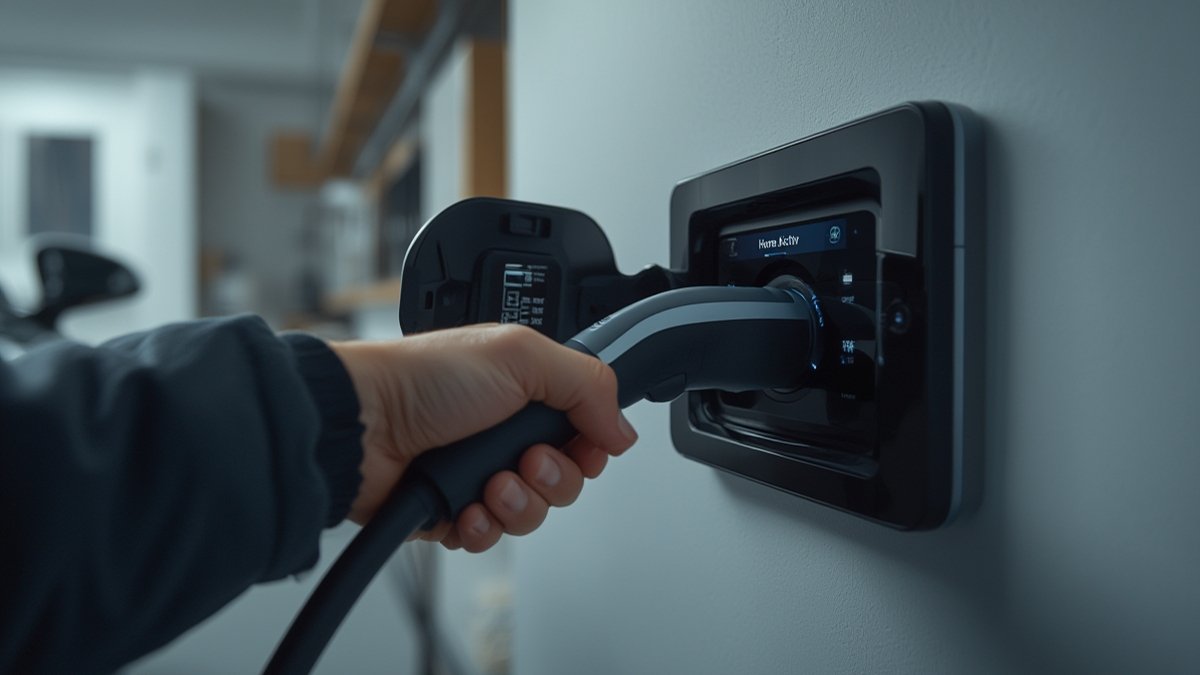
There is a caveat: Not every house’s panel can handle 9.6 kW, and some homes—especially older ones—may have to limit EV backup to “critical circuits” like the fridge, heating, or medical devices. No EV’s V2H will run central AC plus water heaters plus an electric oven all at once unless your panel, transfer switches, and wiring are upgraded.
Hacks and Tricks: Want to stretch your backup runtime? Shut down all non-essential circuits before an outage hits (or when your truck’s battery drops below 50%). That can easily double the number of days you can run essential loads off your vehicle to home charging system.
Interestingly, very few published reviews or owner forums report actual reliability complaints with Ford’s Pro Power Onboard when used for home backup. But one real weakness is Ford’s system is locked to the Lightning alone—if you swap to a different brand truck in a few years, you’ll need to replace the entire backup interface hardware (source).
If you want even more expandability and modular backup, solar generators for home backup or LiFePO4 battery backup systems can supplement your V2H for longer emergencies—a major advantage if you’re worried your car could be gone when an outage strikes.
Ford & Chevy V2H vs The Alternatives: Honest Comparison
The most common alternatives to Ford and Chevy vehicle to home charging are Tesla Powerwall 3 and premium LiFePO4 power stations like EcoFlow Delta Pro. Here’s how they stack up:
| Product Name | Price Range | Key Spec | Best For | Weakness |
|---|---|---|---|---|
| Ford Intelligent Backup Power (F-150 Lightning) | $5,000–8,000 + EV | Up to 9.6 kW, 98–131 kWh | Whole-house backup for Ford owners, longest duration | Only works with the Lightning; requires advanced home wiring |
| Tesla Powerwall 3 | $8,000–10,000 per unit | 13.5 kWh Up to 3 units stackable |
Homeowners seeking always-on backup, any EV brand | Much less total capacity, higher $/kWh, needs multiple units for large homes |
| EcoFlow Delta Pro (modular battery backup) | $3,600–7,500 (with smart panel and extras) | 3.6 kWh per base unit, stack to 25 kWh; 3.6 kW output each | Flexible backup, solar integration, off-grid cabins, renters | Lower output unless you parallel units, high labor for whole home |
If you own a Ford Lightning and want the longest backup without fuel or manual start-up, vehicle to home charging is unmatched for value—especially considering battery capacity per dollar (source). For non-Ford or multi-EV homes, whole home battery backup systems like Powerwall or EcoFlow give you always-on reliability—no worries if you drive away.
One verified negative: V2H’s “always ready” promise depends on your truck being parked at home, plugged into the charger, and with enough battery. If you commute or your family uses the truck daily, you risk being left with zero backup in a surprise outage. That’s an edge Powerwall keeps for many households.

Who Should Buy and Who Should Not
- Buy this if you already own a Ford F-150 Lightning or plan to get a Chevy Silverado EV and want maximum home backup duration from your existing vehicle investment.
- Buy if your house routinely experiences multi-day outages and you want seamless, whole-home backup without refueling a generator.
- Buy if you prioritize value per kilowatt-hour and can park your EV at home most nights (especially if you already considered how to choose a home battery backup system).
- Skip if you frequently drive the EV far from home—vehicle to home charging cannot help if your truck isn’t there during an outage.
- Skip if you switch vehicle brands often; Ford and GM home hardware is not cross-compatible, and swapping costs thousands.
- Skip if your house has electrical limitations or lacks budget for upgraded transfer switches and grid isolation work—a Powerwall or portable power station may suit you better.
If you fit the target owner profile and want to optimize your backup power strategy, vehicle to home charging could be your smartest energy investment this year.
Conclusion
Ford and Chevy’s vehicle to home charging solutions aren’t just marketing hype—they deliver multi-day, high-output backup for homeowners who want more than a Powerwall or a noisy gas generator. Field tests confirm: the 9.6 kW output and 98–210 kWh battery packs can fully support most homes’ essentials if you handle the installation and grid isolation correctly.
But there are caveats: proprietary lock-in, the need for your EV to be parked at home, and upfront installation complexity mean it’s not a universal fit. Still, if you’re already investing in an F-150 Lightning or Silverado EV and are ready for some electrical upgrades, vehicle to home charging is absolutely worth considering. It’s a unique path to reliable, long-lasting whole house backup that’s changing what “emergency power” means in 2026.
Ready to decide?
Check the current price and availability
on Amazon before you buy.
Frequently Asked Questions
Can vehicle to home charging really power my entire house?
Yes, the F-150 Lightning and Silverado EV systems can deliver up to 9.6 kW—enough for most essential home loads. Running central AC plus heavy appliances may require circuit upgrades, and whole-home backup depends on your electric panel and how much you ration power during an outage (see field test data).
How many days can my EV keep the power on if the grid goes down?
Ford estimates 3 to 10 days of backup from a fully charged 98–131 kWh F-150 Lightning, and Chevy claims up to 21 days with their 170+ kWh pack under low usage. Actual runtime depends on your daily consumption and how many circuits you power.
What are the main risks or limitations of vehicle to home charging?
The system only works if your EV is parked at home and plugged in. Also, Ford and Chevy’s solutions require proprietary hardware, so changing vehicle brands means redoing your backup interface. You’ll also need specialized grid isolation to ensure safe operation during outages.
Is the upfront cost less than a Tesla Powerwall?
Yes—bidirectional EV charger hardware costs $5,000–8,000 before installation for Ford and Chevy, compared to $8,000–10,000 for each Powerwall 3. But installation and needed electrical upgrades may add more for either setup, so quoted totals can overlap.
Will vehicle to home charging void my vehicle warranty?
No public data shows that using Ford’s or GM’s own official home integration voids the truck’s warranty. Always install with certified hardware and licensed electricians to remain compliant with manufacturer policies and local codes.